What Is a Prospectus? A Deep Dive Into Its Key Contents
A prospectus is the official document that companies release when they plan to issue securities—whether through an initial public offering (IPO) or a secondary offering. It’s the primary source of information for investors, offering a clear, regulated snapshot of what’s at stake. In the first few paragraphs of a typical prospectus, you’ll find a concise summary of the company’s business model, financial highlights, and the purpose of the fundraising. Understanding its structure and purpose can turn a daunting legal file into a useful investment guide.
What Exactly Is a Prospectus?
At its core, a prospectus is a legally mandated disclosure document filed with securities regulators, such as the U.S. Securities and Exchange Commission (SEC). Its role is to provide transparency, enabling potential investors to make informed decisions. Unlike a press release, which is promotional, a prospectus must be exhaustive, balanced, and accurate—any omission or misstatement can trigger regulatory action.
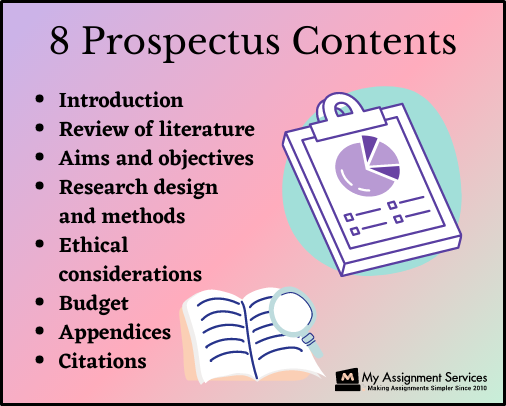
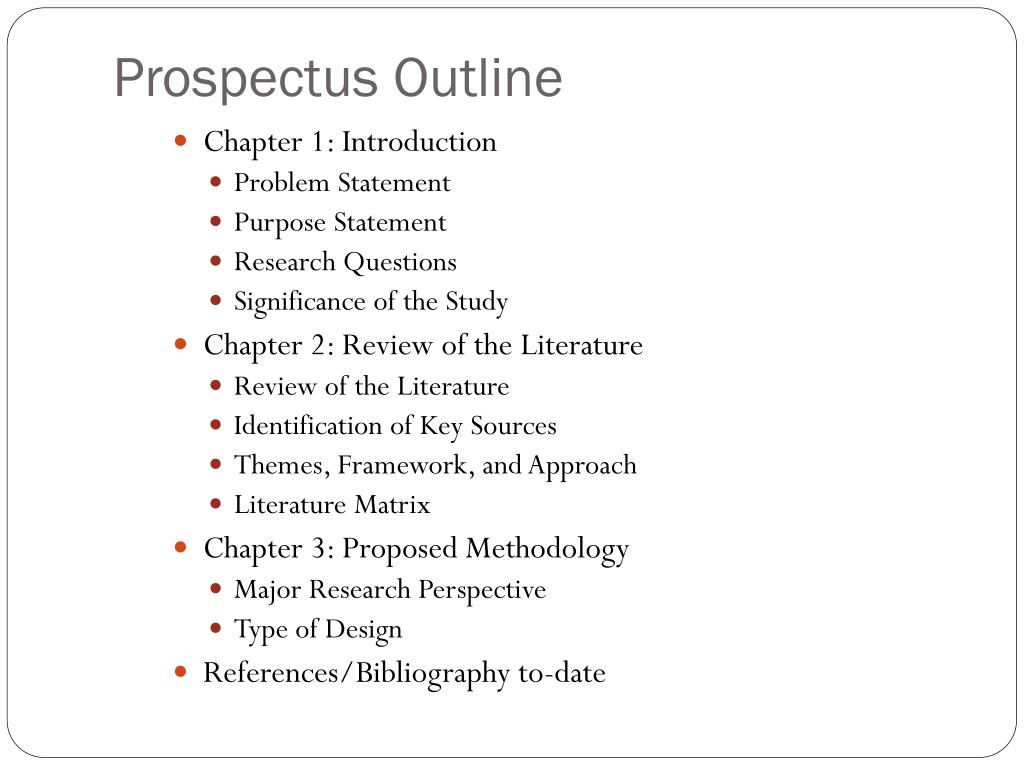
Key Sections Every Prospectus Contains
Executive Summary
This opening section distills the company’s mission, product line, and financial outlook into a few bullet points. It’s often the first thing a hurried investor skims to gauge fit.
Company Overview
Here the narrative expands: founding history, core competencies, market positioning, and future strategy. Look for clear metrics, such as market share percentages or growth rates, to gauge traction.
Financial Statements
Three primary statements—income statement, balance sheet, and cash flow statement—are presented, usually for the past three years. Pay attention to year‑over‑year changes, recurring revenue streams, and debt levels.
Risk Factors
Regulated as a distinct section, risk factors flag potential pitfalls: regulatory changes, competition, supply chain disruptions, or technology obsolescence. An honest risk list indicates a company’s maturity and awareness of its industry environment.
Use of Proceeds
Investors need to know what the company intends to do with the money. Common uses include research and development, capital expenditures, debt repayment, or expanding into new markets. Clear allocation builds confidence that the funds will enhance shareholder value.
Management Discussion and Analysis (MD&A)
MD&A gives context to the raw numbers. Management explains trends, explains why certain figures moved, and projects future performance. Look for forward‑looking statements that are both optimistic and grounded in recent data.
Legal & Regulatory Information
This section contains disclosures about ongoing litigation, regulatory compliance, intellectual property, and other legal matters. A clean slate here signals fewer hidden liabilities.
Why the Prospectus Matters to Investors
A well‑constructed prospectus serves as both a risk assessment and a value proposition. For seasoned investors, it’s a tool to compare peers on standardized metrics. For first‑time buyers, it’s a learning resource—every line explains a part of the company’s operating ecosystem.
Tips for Reading a Prospectus Like a Pro
- Start with the Summary: Get the high‑level picture before diving into numbers.
- Track the Numbers: Cross‑check revenue growth, margin trends, and debt ratios.
- Spot the Red Flags: Unexplained dips, high reliance on a single customer, or a spike in litigation can signal trouble.
- Read the Risk Section Thoroughly: If risk disclosures are vague or missing, that’s a red flag.
- Check the Use of Proceeds: Ensure the planned capital allocation aligns with the company’s stated strategy.
Common Pitfalls to Watch Out For
Even seasoned investors can fall into traps. Over‑optimistic projections that ignore macroeconomic trends, or overly complex financial jargon that obscures true performance, are frequent culprits. Additionally, companies sometimes hedge their statements with footnotes—read those carefully, as they can change the picture entirely.
FAQ
What’s the difference between a prospectus and an offering memorandum? An offering memorandum is typically used in private placements and may have a more concise disclosure. A prospectus, filed with regulators, is required for public offerings and includes stricter disclosure mandates.
Can I rely solely on the prospectus for investment decisions? While it’s a foundational document, supplementing it with independent research—industry reports, analyst coverage, and competitor data—provides a fuller context.
How often is a prospectus updated? After the initial filing, companies release quarterly or annual reports that refine the financials and update risk assessments. However, the core prospectus remains unchanged until a new offering or a significant corporate event occurs.
What happens if a company misstates information in its prospectus? Regulatory bodies can impose fines, require corrective filings, and, in severe cases, pursue civil or criminal action against responsible parties.




:max_bytes(150000):strip_icc()/90-Day-Fiance-Happily-Ever-After-01-b463c1fca29e4dc4b532856609242b3f.jpg)