What Is Co‑Washing for Curly Hair? A Complete Guide
Understanding Co‑Washing for Curly Hair
Co‑washing, short for “conditioner‑only washing,” is a method that skips traditional shampoo in favor of a cleansing conditioner. For those with naturally curly strands, the technique promises moisture retention without the stripping effect that many shampoos can cause. In practice, you massage a specially formulated conditioner into the scalp and strands, rinse, and let the curl pattern resume its natural bounce.
Why Curly‑Haired Folks Choose Co‑Washing
Curly hair tends to be drier than straight hair because the scalp’s natural oils have a harder time traveling down the coil. Conventional shampoos, especially those with strong surfactants, can wash away these oils, leaving curls frizzy and prone to breakage. Co‑washing supplies a gentle cleanse while leaving a thin film of conditioning agents that help seal moisture, reduce friction, and keep the curl definition intact.
How to Co‑Wash Your Curls the Right Way
Getting the most out of co‑washing isn’t just about swapping products; technique matters just as much. Follow these steps the first few times you try it, and you’ll quickly see whether the method fits your routine.
- Pre‑wet your hair. Saturate your curls with lukewarm water. Warm water opens the cuticle slightly, allowing the conditioner to penetrate more effectively.
- Apply a cleansing conditioner. Use about a quarter-sized amount for short hair or a palm‑full for longer lengths. Work the product into the scalp with your fingertips, using circular motions to lift away dirt and buildup.
- Massage for two minutes. This isn’t a quick rub; give the conditioner time to emulsify oils and any lingering residues. If you have a thick scalp, you may need a little longer.
- Rinse thoroughly. Rinse with cool water to help seal the cuticle. Make sure no product remains, as leftover conditioner can lead to a slight heaviness over time.
- Follow with a light leave‑in. A small amount of leave‑in conditioner or curl cream can lock in the moisture you’ve just introduced.
Choosing the Right Co‑Wash Product
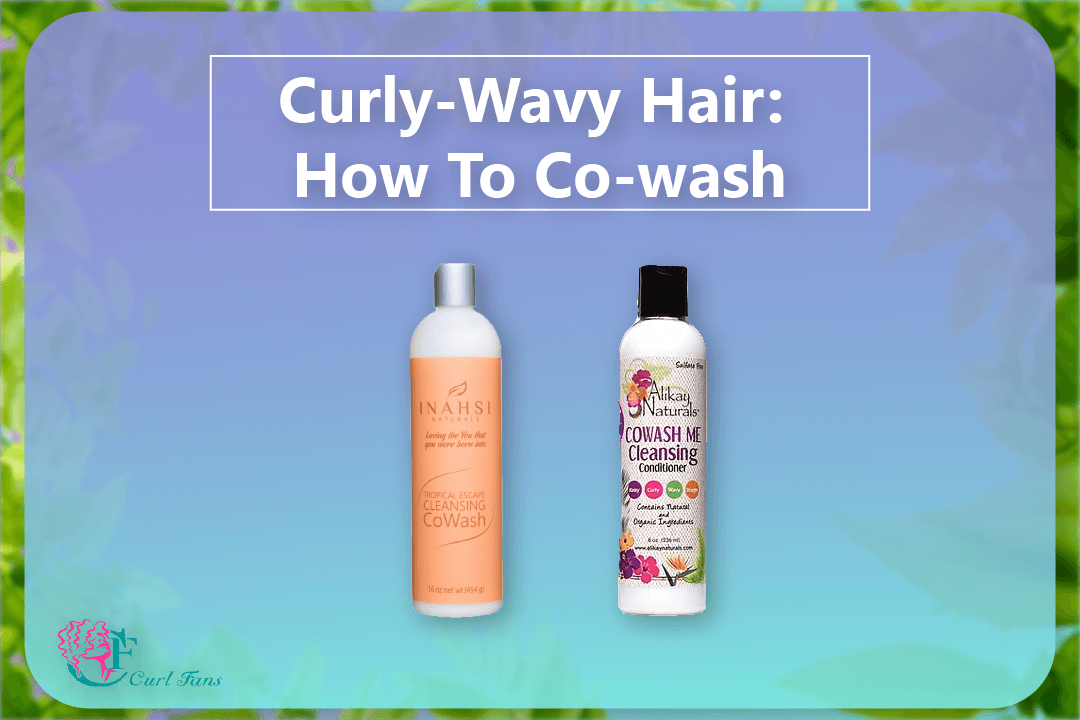
Not every conditioner will do. Look for formulas labeled “cleansing conditioner” or “co‑wash.” These typically contain milder surfactants—like coco‑betaine or decyl glucoside—that provide a light wash without the harshness of sulfates. Avoid conditioners packed with heavy silicones or waxes if you’re prone to buildup; they can negate the benefits of the technique.
DIY Co‑Wash Recipes (Optional)
If you enjoy a hands‑on approach, a simple homemade co‑wash can be whipped up with natural ingredients. Blend one part liquid castile soap, one part aloe vera gel, and a teaspoon of jojoba oil. The soap supplies a gentle cleanse, the aloe soothes the scalp, and the jojoba oil mimics the scalp’s own sebum. Use sparingly, as DIY blends can lack the preservatives that commercial products include.
Addressing Common Concerns
Many beginners wonder whether co‑washing will cause scalp issues or make hair feel greasy. The answer depends largely on product choice and frequency. If you notice a film on your scalp after a week, try spacing co‑washes with a mild sulfate‑free shampoo or switching to a lighter conditioner. Conversely, if your curls feel dry, you may be over‑shampooing elsewhere in your routine, and a co‑wash could be the perfect rescue.
Transitioning Between Shampoo and Co‑Wash
Some curl enthusiasts alternate between the two methods. A typical schedule might look like: shampoo on Monday, co‑wash on Wednesday, and co‑wash again on Friday. This pattern maintains a clean scalp while still giving the hair regular moisture boosts. Adjust the cadence based on how oily your scalp feels and how defined your curls remain.
Tips for Maintaining Healthy Curls While Co‑Washing
- Scrunch gently, never brush, to avoid disrupting the natural curl pattern.
- Use a microfiber towel or an old cotton T‑shirt to dry; it reduces friction and frizz.
- Apply a silicone‑free styling product while hair is still damp to lock in moisture.
- Give your scalp a brief, gentle exfoliation once a month with a sugar‑based scalp scrub.
- Keep your co‑wash bottle clean—rinse it after each use to prevent bacterial growth.
Frequently Asked Questions
- Can I co‑wash every day? In theory, daily co‑washing won’t strip curls, but most people find that rinsing with just water or using a light mist in between works just as well and reduces product use.
- Will co‑washing cause buildup? Buildup can happen if the conditioner contains heavy silicones or if you skip occasional clarifying washes. A monthly sulfate‑free clarifier keeps the scalp fresh without shocking the curls.
- Do I still need a regular conditioner? Yes, especially on days you shampoo. Co‑washing replaces the routine conditioner, but a deeper, richer conditioner after a shampoo still benefits very dry or chemically treated hair.
- Is co‑washing suitable for all curl types? It works best for low‑to‑medium porosity curls that struggle with moisture loss. Extremely fine curls may feel weighed down, so a lightweight co‑wash is essential.