What Is Inventory Accounting? A Complete Guide
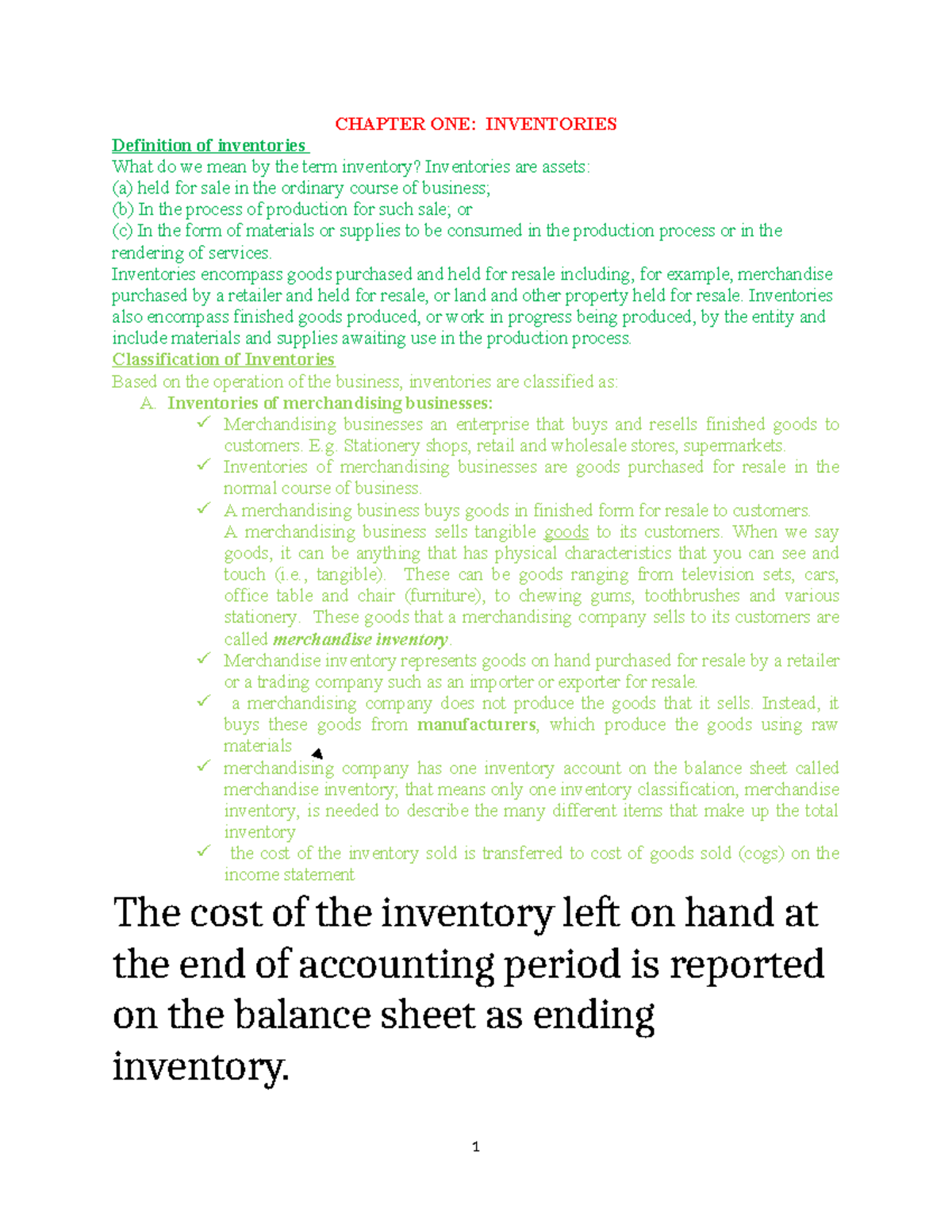
When a business talks about “inventory accounting definition,” it’s really zeroing in on how stock moves through the books—from the moment a pallet arrives to the instant a product ships out. In simple terms, inventory accounting is the systematic tracking, valuation, and reporting of goods a company holds for resale or production. Getting this right isn’t just a bookkeeping chore; it shapes cost of goods sold, impacts tax liability, and even influences strategic decisions about pricing and purchasing.
Inventory Accounting Definition: The Basics
At its core, inventory accounting records the monetary value of inventory on hand and the flow of that value over time. The two primary components are:
- Valuation – assigning a dollar amount to each item using an accepted method (FIFO, LIFO, weighted average, etc.).
- Cost Flow – tracking how inventory costs move from the balance sheet to the income statement as goods are sold.
These steps ensure that the balance sheet reflects a realistic snapshot of assets while the income statement accurately reports the cost of goods sold (COGS).
Why Accurate Inventory Accounting Matters
Misstating inventory can skew profit margins, trigger tax penalties, or even mislead investors. For manufacturers, inventory often represents a sizable portion of total assets; for retailers, it’s the lifeblood of daily operations. A reliable inventory accounting system helps:
- Maintain compliance with GAAP or IFRS standards.
- Provide clear insight for cash‑flow forecasting.
- Support inventory‑turnover analysis, highlighting slow‑moving stock.
- Facilitate smoother audits by offering transparent, traceable records.
In short, precision in inventory accounting translates directly into better financial health and operational agility.
Key Methods: Periodic vs. Perpetual Systems
Businesses can choose between two main tracking approaches, each with its own rhythm and reporting style.
Periodic system – Inventory counts are performed at specific intervals (monthly, quarterly, or annually). The books are adjusted only after a physical count, meaning COGS is calculated by a formula: Opening Inventory + Purchases – Closing Inventory.
Perpetual system – Every purchase, sale, or adjustment instantly updates inventory levels in real time. This method relies on integrated ERP or POS software, delivering up‑to‑the‑minute accuracy but requiring more sophisticated technology.
Choosing the right method depends on factors like transaction volume, product variety, and the company’s tolerance for manual reconciliation.
Common Journal Entries and Examples
Regardless of the tracking method, inventory movements generate standard journal entries.
- Purchase of inventory on credit: Debit Inventory, Credit Accounts Payable.
- Sale of inventory for cash: Debit Cash, Credit Sales Revenue; simultaneously Debit COGS, Credit Inventory.
- Write‑down for obsolescence: Debit Inventory Write‑Down Expense, Credit Inventory.
Consider a retailer buying 100 units at $20 each. The entry reads: Debit Inventory $2,000; Credit Accounts Payable $2,000. When 40 units sell for $35 each, two entries are needed: one for the revenue (Debit Cash $1,400; Credit Sales $1,400) and another for the cost (Debit COGS $800; Credit Inventory $800).
Challenges and Best Practices
Even seasoned accountants run into hurdles. Common pitfalls include:
- Mixing valuation methods across product lines, which confuses reporting.
- Delaying physical counts, leading to discrepancies between recorded and actual stock.
- Neglecting lower‑of‑cost‑or‑market adjustments during price declines.
To stay ahead, adopt these practices:
- Standardize a single valuation method company‑wide, unless industry rules dictate otherwise.
- Schedule regular cycle counts—monthly for high‑turn items, quarterly for slower movers.
- Integrate inventory software with the general ledger to automate entries and reduce manual errors.
- Review inventory aging reports quarterly to identify obsolete or slow‑selling goods early.
How Inventory Accounting Impacts Financial Statements
On the balance sheet, inventory appears under current assets, typically ranked after cash and accounts receivable. Its valuation directly influences the total asset figure and, by extension, the equity section.
On the income statement, COGS—derived from inventory movements—subtracts from sales revenue to reveal gross profit. An understated inventory inflates COGS, shrinking profit; an overstated inventory does the opposite, potentially triggering tax issues.
Finally, the cash‑flow statement reflects inventory changes in the operating activities section. A rise in inventory ties up cash, while a reduction frees it up for other uses.
FAQ
What is the difference between FIFO and LIFO?
FIFO (First‑In, First‑Out) assumes the earliest purchased items are sold first, often matching physical flow for perishables. LIFO (Last‑In, First‑Out) treats the most recent purchases as sold first, which can lower taxable income during inflationary periods but is not allowed under IFRS.
Can a small business use a periodic system effectively?
Yes. If transaction volume is low and the cost of perpetual software outweighs benefits, periodic counting can suffice—provided the business conducts accurate physical inventories at each reporting period.
How often should inventory be written down?
Write‑downs should occur whenever market value falls below cost, such as due to damage, obsolescence, or price drops. Many companies review this quarterly, aligning with financial close cycles.
Is inventory considered a current or non‑current asset?
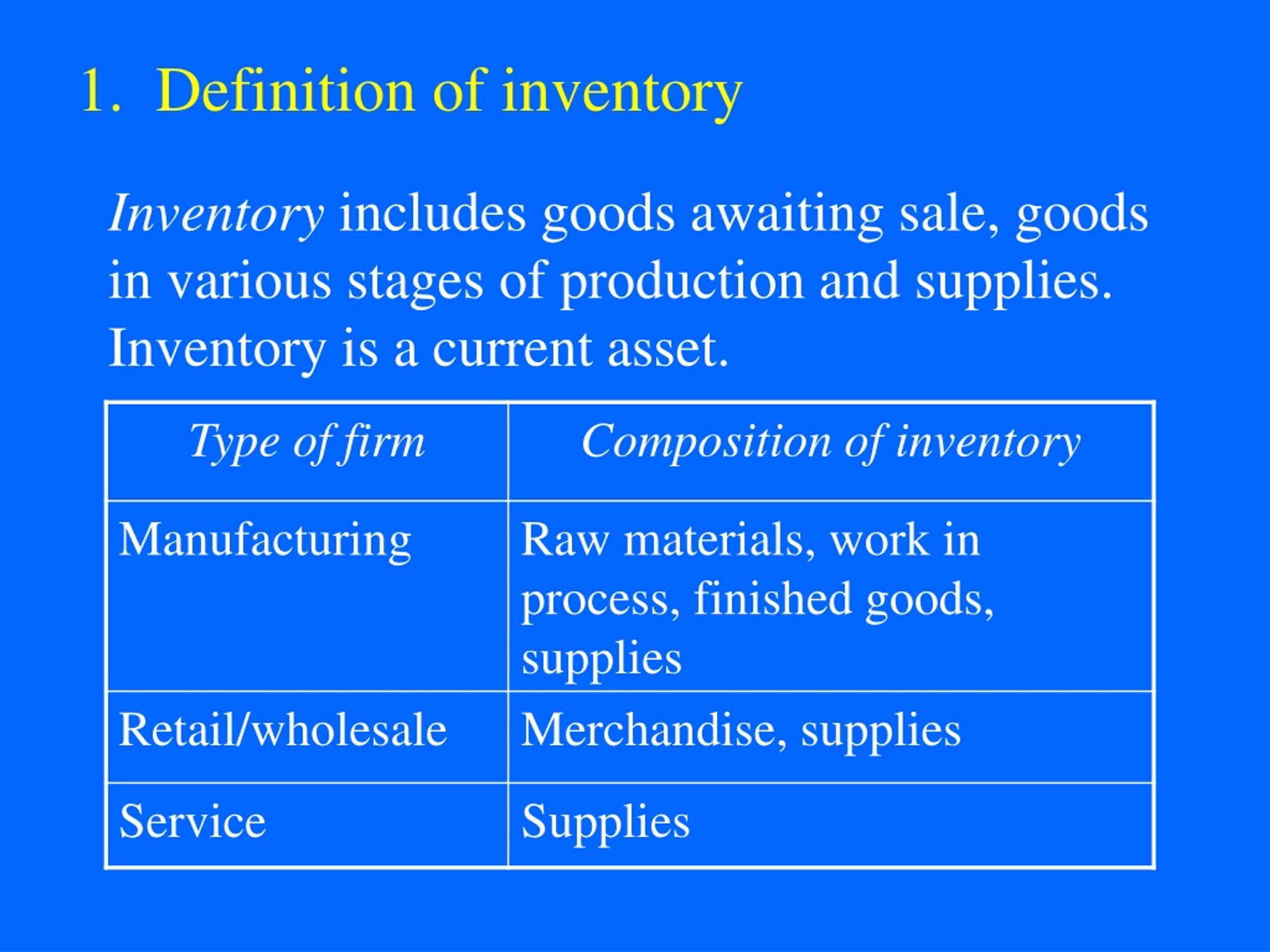
Generally, inventory is a current asset because it is expected to be sold or used within one operating cycle—usually a year. Exceptions exist for long‑term work‑in‑process items in certain manufacturing contexts.
:max_bytes(150000):strip_icc()/inventoryaccounting.asp_final-1700e7f9053b4e2d878b2ecc0111d286.png)