What Powers the Tesla Model Y? Inside Its Battery Tech
When you step inside a Tesla Model Y, the silent hum you hear is the result of a sophisticated battery pack that blends chemistry, engineering, and software. Understanding the Model Y battery composition and tech helps explain why the crossover delivers a blend of range, performance, and safety that feels almost futuristic.
Battery Chemistry: The Core of the Model Y’s Pack
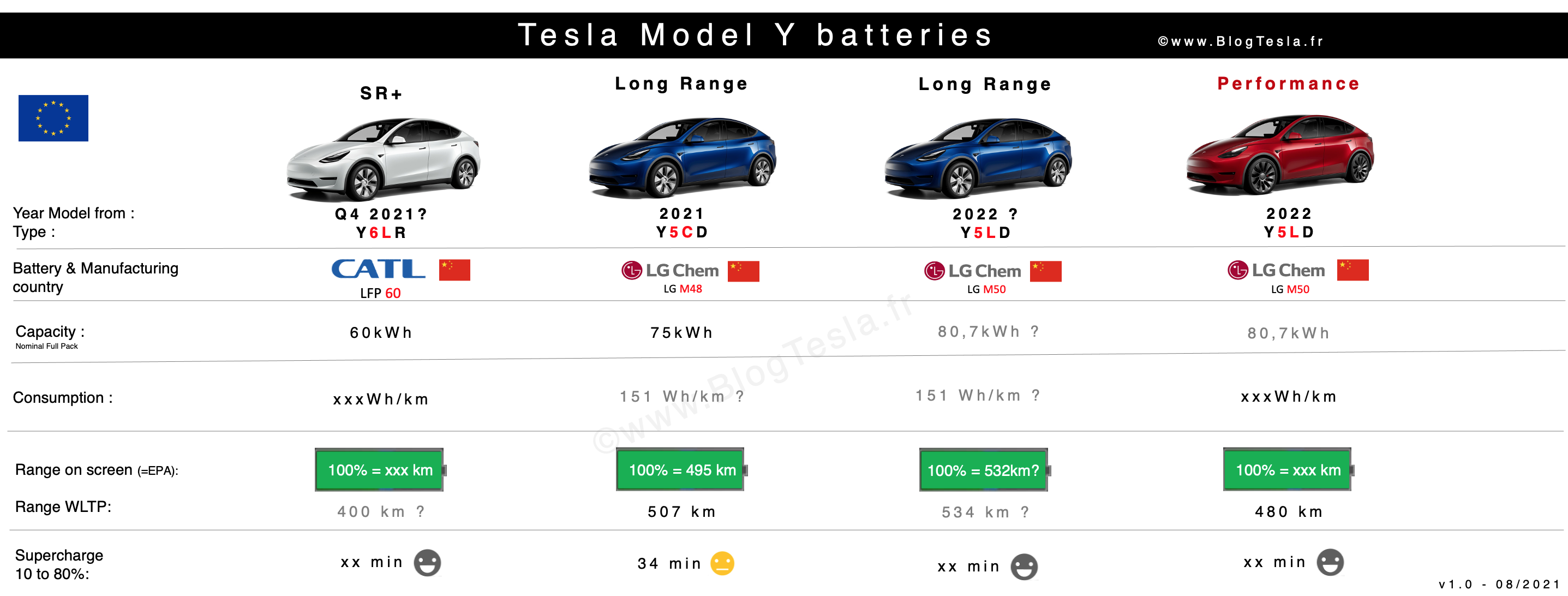
The Model Y primarily uses Tesla’s 2170 cylindrical cells, which are based on a nickel‑cobalt‑aluminum (NCA) chemistry. NCA offers a high energy density—roughly 250 Wh/kg—allowing the vehicle to store more kilowatt‑hours in a compact space. This chemistry also provides a respectable power output, meaning the Model Y can sprint from 0 to 60 mph in about 5 seconds without sacrificing range.
In some markets, especially where cost and raw‑material availability are concerns, Tesla has started offering a lithium‑iron‑phosphate (LFP) version. LFP cells trade a bit of energy density for longer cycle life and a lower risk of thermal runaway. While the LFP‑based Model Y may have a slightly lower EPA‑rated range, its longevity can exceed 1,500 full‑charge cycles before capacity drops below 80 %.
Cell Architecture and Pack Design
Inside the floor of the Model Y, thousands of 2170 cells are arranged in a modular “pouch‑style” layout. The pack is divided into several modules, each containing dozens of parallel strings of cells wired in series. This modular approach simplifies manufacturing and makes it easier for Tesla’s service teams to replace a single module rather than the entire pack.
The structural battery design is another hallmark. The pack’s aluminum underbody serves as a stiffening element for the chassis, improving crash safety while reducing overall vehicle weight. In practice, this means the Model Y feels sturdier on the road, and the battery contributes to a lower center of gravity, enhancing handling.
Thermal Management and Longevity
Heat is the enemy of any battery, and Tesla combats it with a liquid‑cooling system that circulates a glycol‑water mixture through channels in each module. Sensors monitor temperature at the cell level, feeding data to the vehicle’s Battery Management System (BMS). The BMS can adjust cooling flow, limit charge rates, or even balance individual cells to keep the pack within an optimal 20‑40 °C window.
This active management not only protects the cells during fast charging but also extends the pack’s lifespan. Independent studies have shown that a well‑cooled lithium‑ion pack can retain over 90 % of its original capacity after 150,000 miles, and Tesla’s real‑world data suggests the Model Y is on that side of the curve.
Charging Performance and Real‑World Range
On a Tesla Supercharger, the Model Y can add roughly 200 miles of range in 15 minutes, thanks to the pack’s ability to accept up to 250 kW of power. At home, a 12‑amp wall connector tops out at about 30 miles per hour of charge, which is more than enough for overnight replenishment.
Range estimates vary with driving style, temperature, and terrain, but most owners report between 300 and 330 miles on a single charge for the Long‑Range variant. The LFP version, while offering a lower nominal range, tends to maintain its capacity better in hot climates, where high temperatures can sap energy from NCA cells.
Future Directions and Recycling
Tesla is already experimenting with a new “tabless” cell design that promises even higher energy density and faster charge rates. Though not yet standard in the Model Y, early prototypes suggest future versions could shave another 10–15 percent off the weight of the battery pack.
Recycling is also gaining focus. Tesla’s Gigafactory in Nevada processes end‑of‑life batteries, extracting nickel, cobalt, and lithium for reuse. This closed‑loop approach aims to reduce reliance on virgin mining and lower the environmental footprint of each Model Y sold.
FAQs
- How many kilowatt‑hours does the Model Y battery hold? The Long‑Range version packs about 75 kWh, while the Standard Range offers roughly 68 kWh.
- Can I replace individual cells if one fails? Tesla’s design favors swapping out an entire module rather than single cells, which simplifies repairs and ensures the BMS remains calibrated.
- Is the Model Y’s battery safe during a crash? Yes. The pack’s rigid housing and built‑in fire‑suppression features have earned high safety ratings from independent crash testers.
- Will the battery’s performance degrade quickly in cold weather? Cold temperatures can temporarily reduce range, but the BMS preconditions the pack during charging to mitigate loss, keeping degradation minimal over time.