What to Expect From Dog Debarking: Costs, Risks & Safer Options
Understanding Dog Debarking Surgery Costs
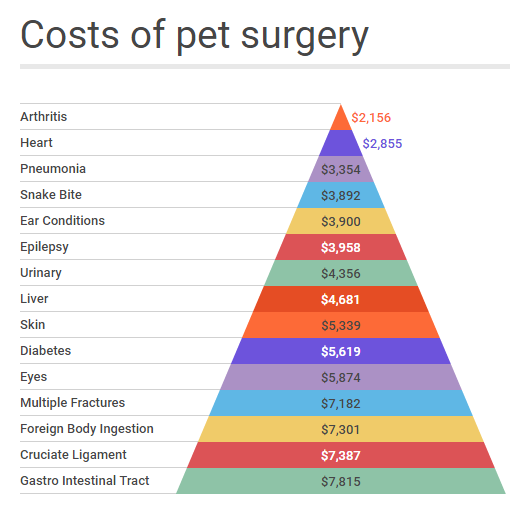
When a pet owner first Googles “dog debarking,” the price tag is usually the first thing that jumps out. In most U.S. clinics, the procedure itself can range from $1,200 to $4,000, depending on the surgeon’s expertise, the size of the dog, and whether anesthesia and post‑op care are bundled. Some practices add a pre‑surgical exam, blood work, or a follow‑up visit, nudging the total even higher. Rural clinics may charge less, while specialty hospitals in major cities often sit at the upper end of the spectrum.
Beyond the headline figure, owners should budget for medication, such as antibiotics and pain relievers, which can add $50–$150. A comfortable recovery crate or a temporary stay at a boarding facility might be another $100–$300 if the household can’t provide a quiet space. In short, the out‑of‑pocket cost is rarely a one‑time payment; it’s a small package of surgery, after‑care, and logistical adjustments.
Potential Risks and Complications
Any operation that involves the vocal cords carries inherent risks, and debarking is no exception. The most immediate concerns revolve around anesthesia—especially in older dogs or breeds prone to breathing issues. While modern monitoring reduces the odds of a severe reaction, a mild drop in blood pressure or a brief bout of nausea can still occur.
Long‑term complications are where the controversy really thickens. Some dogs develop chronic coughing, difficulty swallowing, or an increased susceptibility to infections in the throat. A less obvious but equally troubling outcome is the psychological impact: dogs that lose their primary means of vocal expression may become frustrated, leading to heightened anxiety or the emergence of other unwanted behaviors.
Because the surgery is irreversible, the decision should factor in not just the medical odds but also the animal’s quality of life after the cut. Veterinarians who specialize in soft‑tissue surgery often recommend a thorough risk assessment, especially for breeds with short muzzles or pre‑existing respiratory conditions.
Non‑Surgical Alternatives Worth Considering
Before signing a consent form, many owners explore training‑based or environmental strategies that can curb excessive barking without a scalpel. A well‑structured obedience program, for instance, teaches the “quiet” cue and rewards silence with treats or play. Consistency is key; short, frequent sessions tend to work better than occasional marathon trainings.
Professional bark‑control devices have also evolved beyond the old shock collars. Modern options include ultrasonic emitters that respond only when the dog barks, and vibration‑based collars that provide a gentle reminder. While no gadget guarantees success, many owners report a noticeable reduction in volume when the device is paired with positive reinforcement.
Addressing the root cause—whether it’s boredom, anxiety, or a lack of exercise—can make a world of difference. Daily walks, puzzle toys, and regular socialization often lower the baseline barking level enough that owners never feel compelled to consider surgery in the first place.
Making an Informed Decision
Choosing between debarking and its alternatives isn’t a simple cost‑vs‑benefit equation; it’s a blend of financial, ethical, and emotional factors. Start by getting a written estimate that breaks down every line item, from the surgeon’s fee to post‑op medication. Ask the vet to explain why they think surgery is necessary for your specific dog, and request a second opinion if anything feels unclear.
Next, weigh the intangible costs. How would a permanently altered voice affect your dog’s interactions with other pets, humans, or even its own sense of self? Would you feel comfortable explaining the choice to a neighbor who questions the procedure? These questions don’t have numerical answers, but they matter just as much as the dollar amount.
Finally, give the non‑surgical options a genuine trial period. Many trainers offer a free initial session, and most bark‑control devices come with a satisfaction guarantee. If, after a month or two, the barking remains disruptive and all other avenues have been exhausted, revisiting the surgical route with a specialist becomes a more grounded choice.
Frequently Asked Questions
- Is debarking legal everywhere? Laws vary by state and even by municipality. Some regions have outright bans, while others allow it under strict veterinary oversight. Always check local regulations before scheduling the procedure.
- How long does recovery typically take? Most dogs heal enough to walk on a leash within a week, but complete tissue healing can take up to six weeks. During that time, limiting vocal activity and providing a calm environment are essential.
- Can a dog still communicate after debarking? Yes, but the range of sounds is reduced. Dogs often resort to whines, growls, or body language to express needs. Owners need to become more attuned to these subtle cues.
- Do insurance policies cover debarking? Generally, pet insurance treats debarking as an elective procedure, so coverage is rare. Some policies might reimburse complications arising from the surgery, but the base operation is usually out‑of‑pocket.