What to Know About US Flight Cancellations: A Quick Guide
Why Flights Get Canceled in the United States
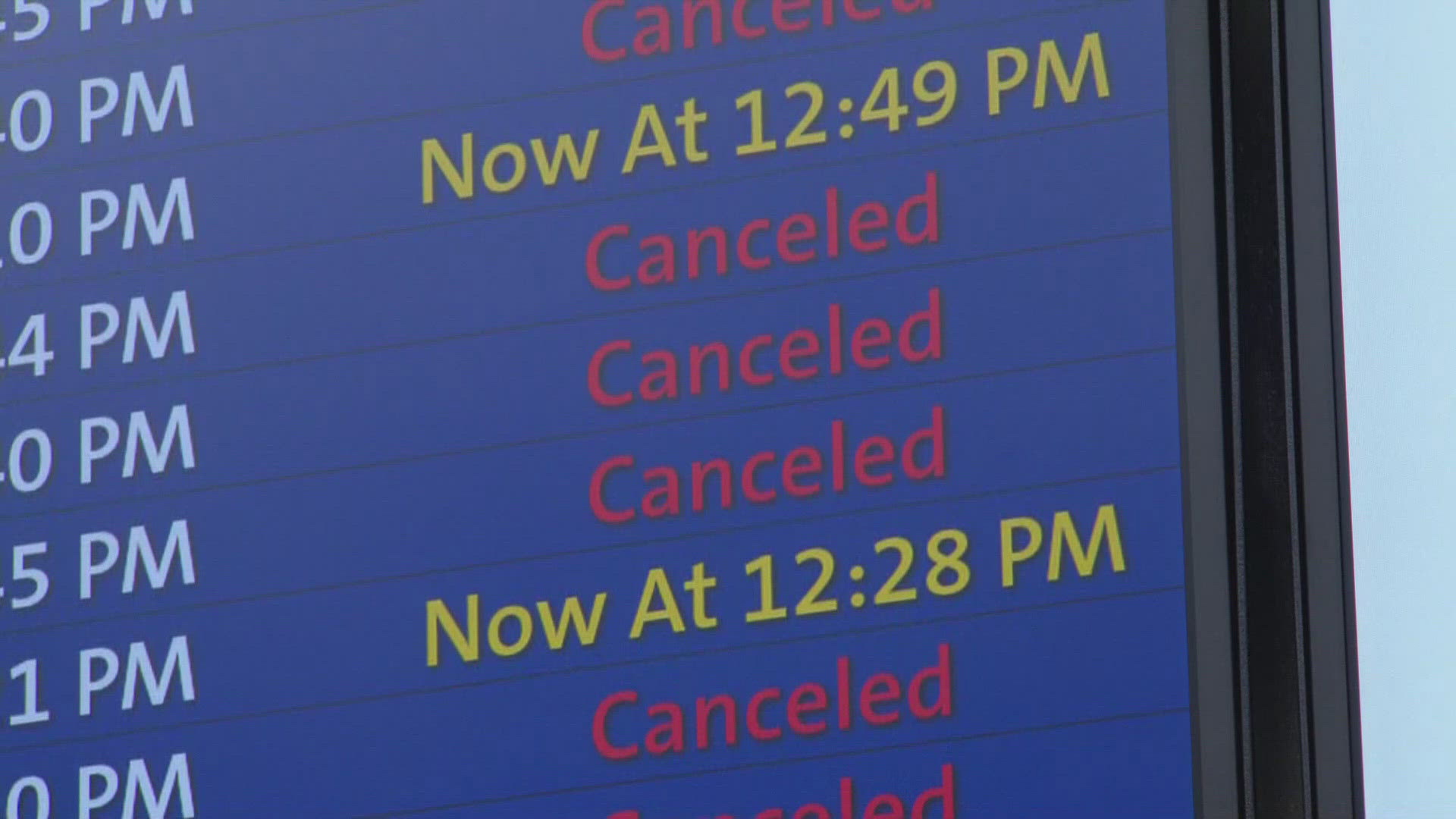
US flight cancellations can feel abrupt, but most of them have logical roots. Severe weather—think thunderstorms, snowstorms, or hurricanes—often forces airlines to ground planes for safety. Mechanical glitches, even minor ones, trigger mandatory checks that can delay or cancel departures. Crew scheduling issues, such as mandatory rest periods or last‑minute sick calls, also play a part. Finally, air traffic control constraints, especially at busy hubs, sometimes lead to a ripple effect that forces airlines to pull flights from the schedule.
How Airlines Notify Passengers
Modern carriers rely on multiple channels to reach travelers quickly. Most airlines send an email that includes the new departure time or refund options. Text messages are increasingly popular, offering real‑time alerts that appear even if you’re not logged into an app. The airline’s mobile application usually displays a banner with the latest status, and some carriers push notifications directly to your phone. If you booked through a third‑party site, that platform may also send its own updates, so it’s wise to monitor both sources.
What Your Rights Are When a Flight Is Canceled
The U.S. Department of Transportation (DOT) outlines basic passenger protections. If a flight is canceled, airlines must offer a full refund—whether you booked a refundable or non‑refundable ticket. They may also rebook you on the next available flight at no extra charge. Compensation beyond a refund, such as vouchers or hotel stays, is not mandated by law but many airlines provide it voluntarily, especially for lengthy delays caused by the carrier. Remember, the rules differ for international flights, so always double‑check the terms if you’re crossing borders.
Tips for Minimizing the Impact of a Cancellation
- Stay Connected: Enable push notifications on the airline’s app and keep an eye on your email and text messages.
- Know Your Alternate Options: Identify nearby airports and alternative routes before you travel; this can give you bargaining power when rebooking.
- Ask About Rebooking Policies Up Front: Some carriers prioritize passengers on subsequent flights if you ask early, while others follow a strict first‑come, first‑served queue.
- Keep Essential Items in Your Carry‑On: In case you need to head home unexpectedly, having medication, chargers, and important documents handy can save a lot of stress.
- Document Everything: Save screenshots of cancellation notices and any communication with the airline; this helps if you need to claim compensation later.
When to Consider Travel Insurance
Travel insurance isn’t a cure‑all, but it can cushion the blow of a sudden cancellation. Look for policies that cover “trip interruption” or “cancellation” due to weather, mechanical issues, or airline insolvency. Some plans also reimburse you for out‑of‑pocket expenses like meals, transportation to an alternate airport, or a last‑minute hotel stay. If your itinerary includes multiple connections or non‑refundable hotel reservations, insurance can be a smart safety net. Always read the fine print, as exclusions—such as pre‑existing conditions or certain high‑risk destinations—can limit coverage.
How to Get a Refund Quickly
The fastest route to a refund is usually the airline’s website or mobile app. Log in, locate your canceled reservation, and select the “Refund” option; many carriers process the request within a few business days. If the online method stalls, call the airline’s customer service line—being polite but firm often yields better results. Keep your confirmation number handy, and ask the representative to confirm the expected timeline for the refund to appear on your payment method.
What to Do If You’re Stuck at the Airport
When a cancellation leaves you stranded, explore the following options. First, ask the airline staff about lounge access; some carriers open their lounges for affected passengers even if you don’t have a membership. Second, check whether the airline offers vouchers for meals or future travel. Third, if you’re far from home and the next flight is days away, see if the airline will cover reasonable hotel costs—many do for extended delays caused by the carrier. Finally, remember that credit‑card travel protections sometimes reimburse these incidental expenses, so review your card’s benefits.
FAQ
Can I get a hotel voucher if my flight is canceled?
Airlines aren’t legally required to provide hotels, but many do when the cancellation is due to a carrier issue and you’re left without a same‑day alternative. Ask the gate agent or customer‑service desk for details.
Do I have to wait for the airline’s refund, or can I use a credit card chargeback?
You can start a chargeback if the airline is unresponsive after a reasonable period (typically 30 days). However, initiating a refund directly with the airline is usually faster and less likely to affect your credit score.
Are there any circumstances where I’m not entitled to a refund?
If the cancellation is due to “acts of God” such as a natural disaster, airlines may offer rebooking but are not obligated to refund. Still, many choose to issue refunds as a goodwill gesture.
How far in advance should I check my flight status?
A good rule of thumb is to check at least 24 hours before departure and then again a few hours before the scheduled takeoff. Early checks give you a window to rebook or adjust travel plans without scrambling.