When Your Turn Signal Fails: Quick Fixes and Safety Tips
There’s nothing more unnerving than reaching for the blinker lever only to see the lights stay dark. A malfunctioning turn signal isn’t just an annoyance—it can jeopardize your safety and invite a traffic citation. Below we walk through the most common culprits, the diagnostic steps you can take at home, and when it’s time to hand the job over to a professional.
What Usually Makes a Turn Signal Fail?
Even though modern cars are packed with electronics, the basic turn‑signal system is still surprisingly simple. The three main components are the bulb (or LED module), the flasher relay, and the wiring harness. If any of these break down, the signal can go silent or flash irregularly. Other, less obvious troublemakers include a faulty turn‑signal switch on the steering column and corroded ground points.
Step‑by‑Step Diagnosis You Can Do Yourself
1. Check the obvious: the bulbs. Most turn‑signal failures start with a burned‑out bulb. Pop the lens, remove the bulb, and look for a broken filament or cloudy glass. If you have LEDs, make sure the module hasn’t been damaged by a water leak.
2. Listen for the flasher. When you flip the lever, you should hear a faint click from the flasher relay—usually tucked under the dashboard or in the fuse box. No click often points to a relay that needs replacement.
3. Test the fuse. Locate the fuse panel (your owner’s manual will give the exact spot) and pull the fuse labeled “Turn Signal” or “Hazard.” A melted metal strip means the fuse blew and should be swapped for one with the same amp rating.
4. Inspect the wiring. Look for frayed wires, especially at the bulb socket and along the steering column. A quick visual scan can reveal a cracked sheath or a loose connector that’s interrupting the circuit.
5. Try the hazard lights. If the hazard flashers work on the same bulbs, the issue is likely isolated to the turn‑signal switch. If hazards also stay dark, the problem is probably upstream—either the relay or the wiring.
Replacing Bulbs, Relays, and Fuses
Most DIYers can handle a bulb swap in under ten minutes. Turn off the engine, disconnect the battery (just the negative terminal to avoid accidental shorts), and twist the bulb counter‑clockwise. Slide in the new bulb, making sure it clicks into place, then reconnect the battery and test.
If the flasher relay is the culprit, locate it—often a small, rectangular component in the fuse box. Pull it straight out, note its orientation, and replace it with an identical part. Relays are inexpensive, usually under $10.
When it comes to fuses, always replace with the exact amperage specified. Over‑fusing can cause wiring fires, while an under‑fused circuit may trip repeatedly.
When the Problem Persists: Professional Help
If you’ve swapped bulbs, fuses, and the flasher but the signal still won’t light, the issue may lie deeper. A malfunctioning turn‑signal switch can wear out internally, especially on older steering columns where the contacts corrode over time. Additionally, some cars use a body control module (BCM) that monitors the signals; a software glitch or failed BCM may require a diagnostic scan tool that only a shop possesses.
Don’t ignore a stubborn problem. Driving without functional turn signals can lead to accidents, and many jurisdictions consider it a traffic violation. A qualified technician can run a voltage test, check for error codes, and replace the switch or BCM if needed.
Safety Measures While You’re Waiting for Repair
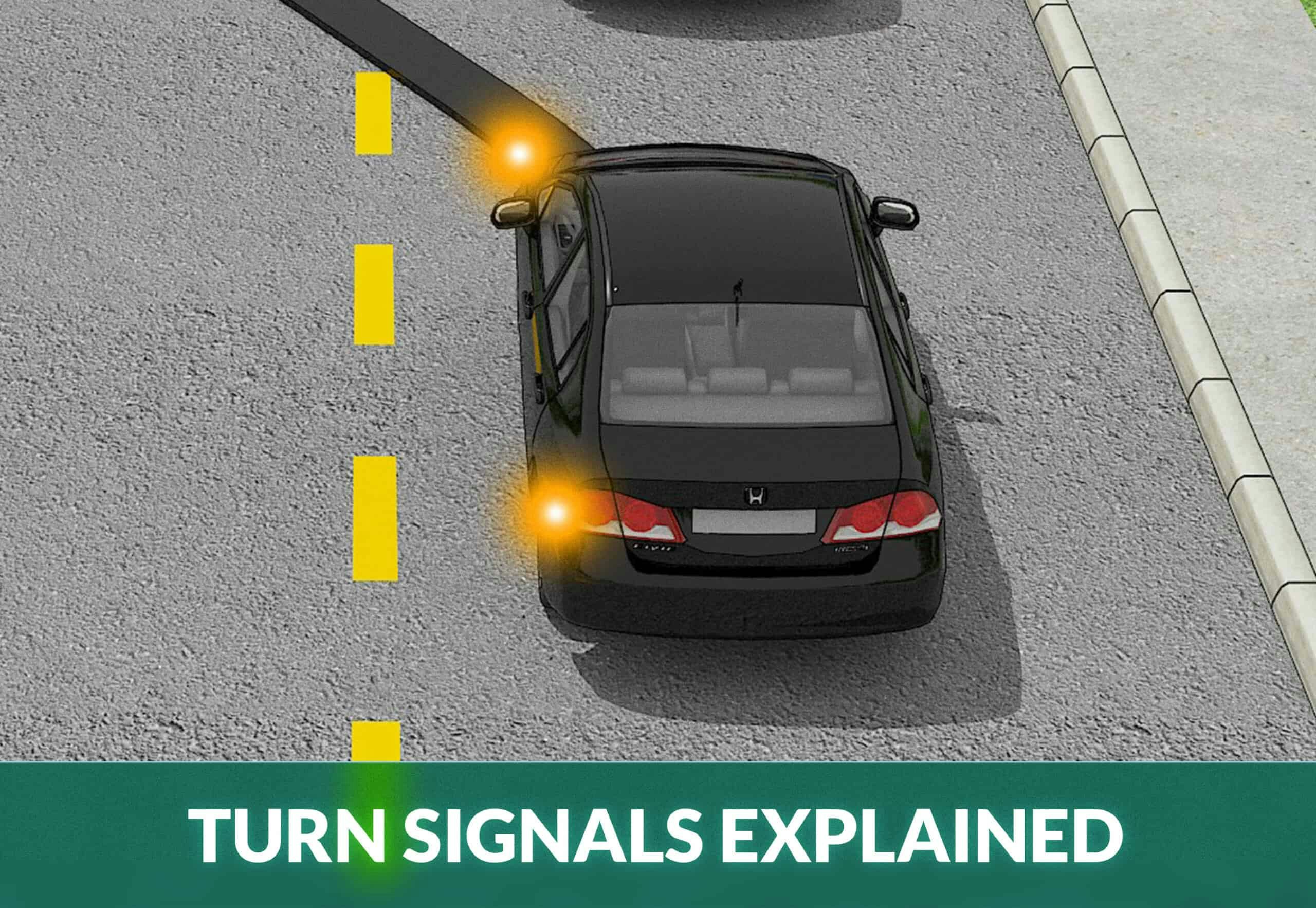
Until the issue is resolved, use hand signals when turning or changing lanes. Extend your left arm horizontally for a left turn and point upward for a right turn. While legal in most places, hand signals are often overlooked by other drivers, so pair them with extra caution—slow down, give yourself a larger buffer, and avoid busy intersections if possible.
If you’re on the road and the signal fails suddenly, pull over safely and turn on your hazard lights. This alerts drivers that something is amiss and buys you time to assess the situation.
Preventing Future Turn‑Signal Headaches
Regular maintenance can keep your blinker system humming. During routine oil changes, ask the mechanic to inspect the turn‑signal bulbs and verify that the relay clicks when you engage the lever. Keep the bulb sockets clean; a touch of dielectric grease can prevent corrosion. Finally, avoid harsh voltage spikes by checking the alternator’s charging voltage—over‑charging can shorten bulb life.
Frequently Asked Questions
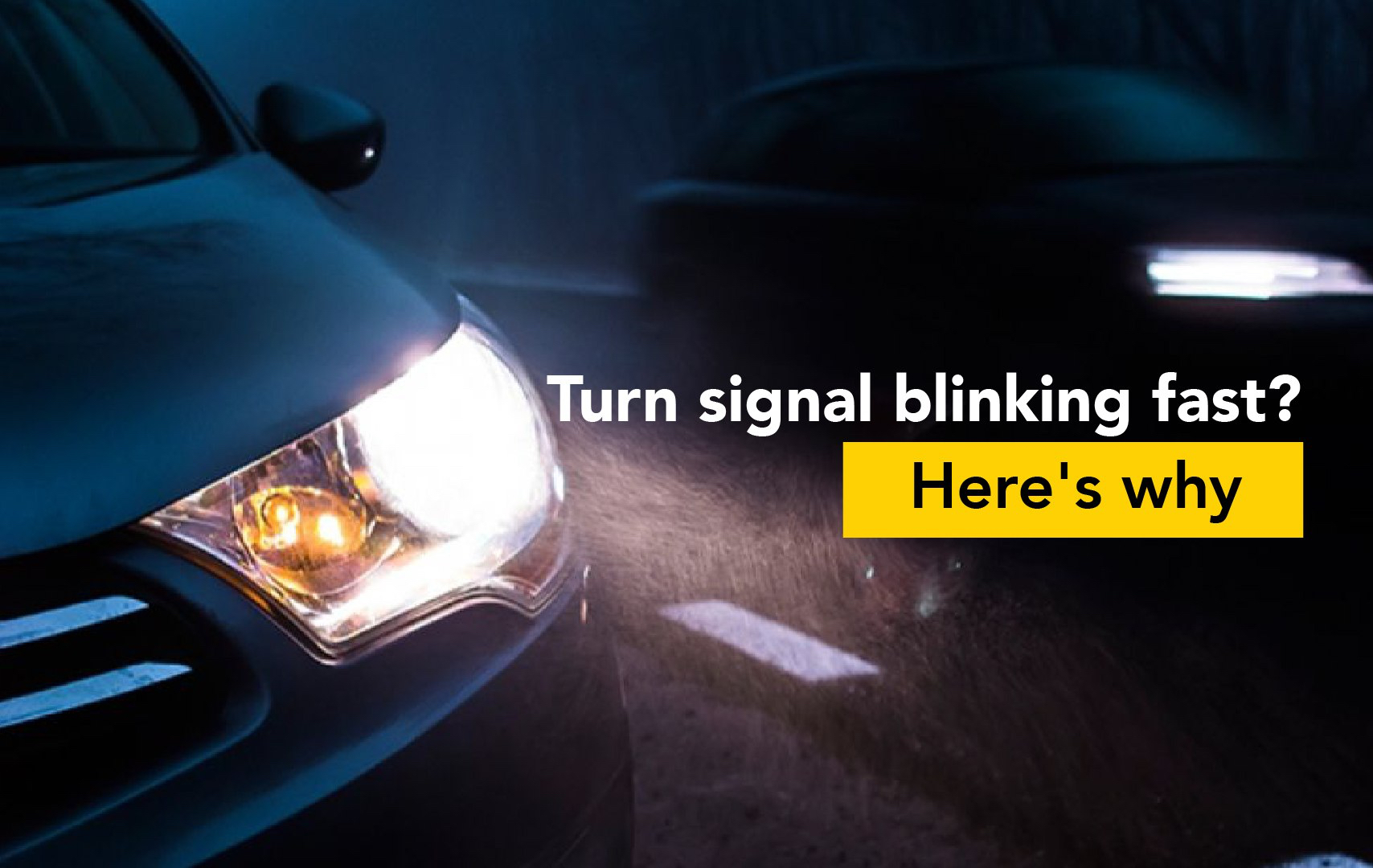
- Why does my turn signal blink faster than normal? A rapid blink usually means one bulb on that side is out, causing the flasher to draw more current. Replacing the missing bulb restores the normal blink rate.
- Can a single burnt bulb shut down the whole turn‑signal circuit? Yes, especially on older cars that use a single flasher for both sides. If one bulb fails, the relay interprets the reduced load as a fault and may stop flashing entirely.
- How often should I check my turn‑signal bulbs? Inspect them at least twice a year, or whenever you notice a slower blink or a dimmer light. LEDs tend to last longer, but the housing can still get cloudy.
- Is it safe to drive with only one side’s turn signals working? Legally, you’re required to have both sides operational. Practically, relying on one side can confuse other drivers, so it’s best to fix the issue before hitting the road.