Why All Dashboard Lights Light Up in a Honda Accord
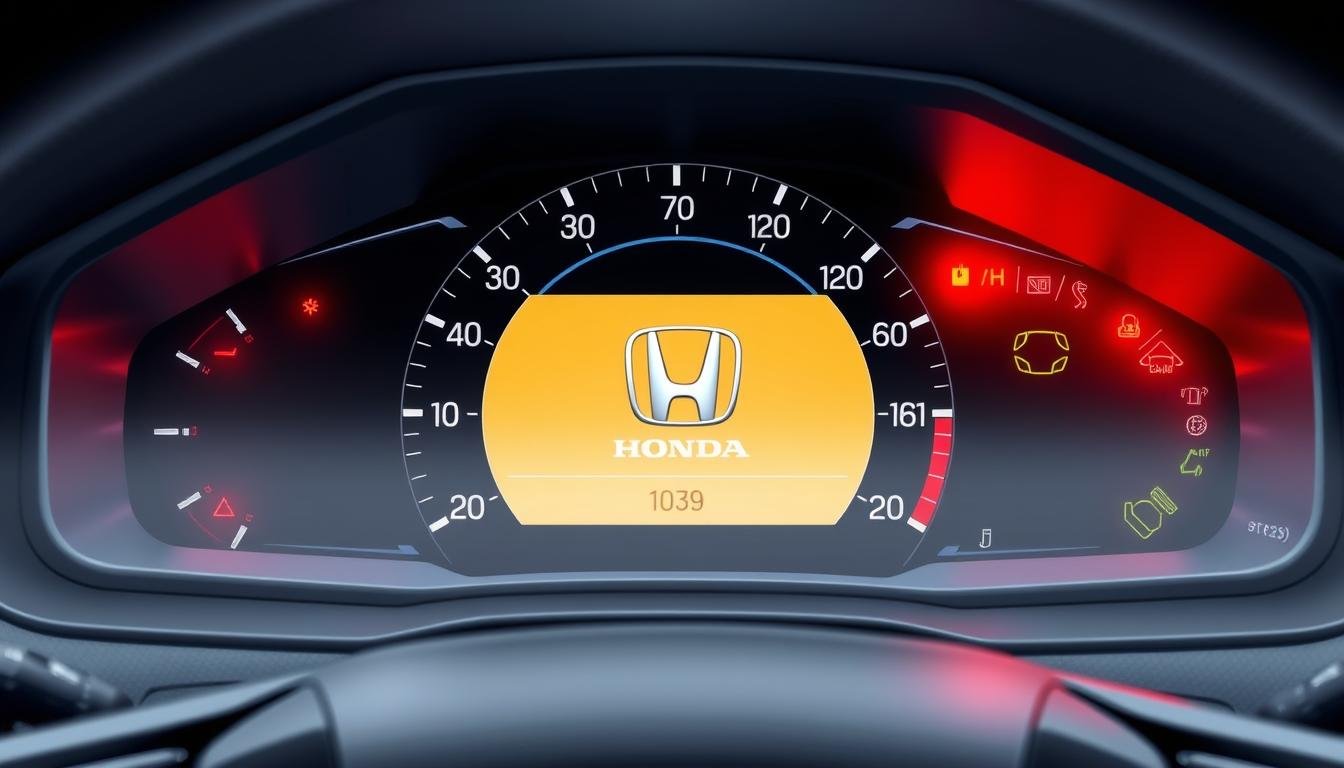
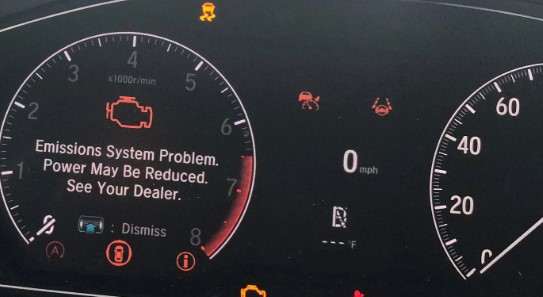
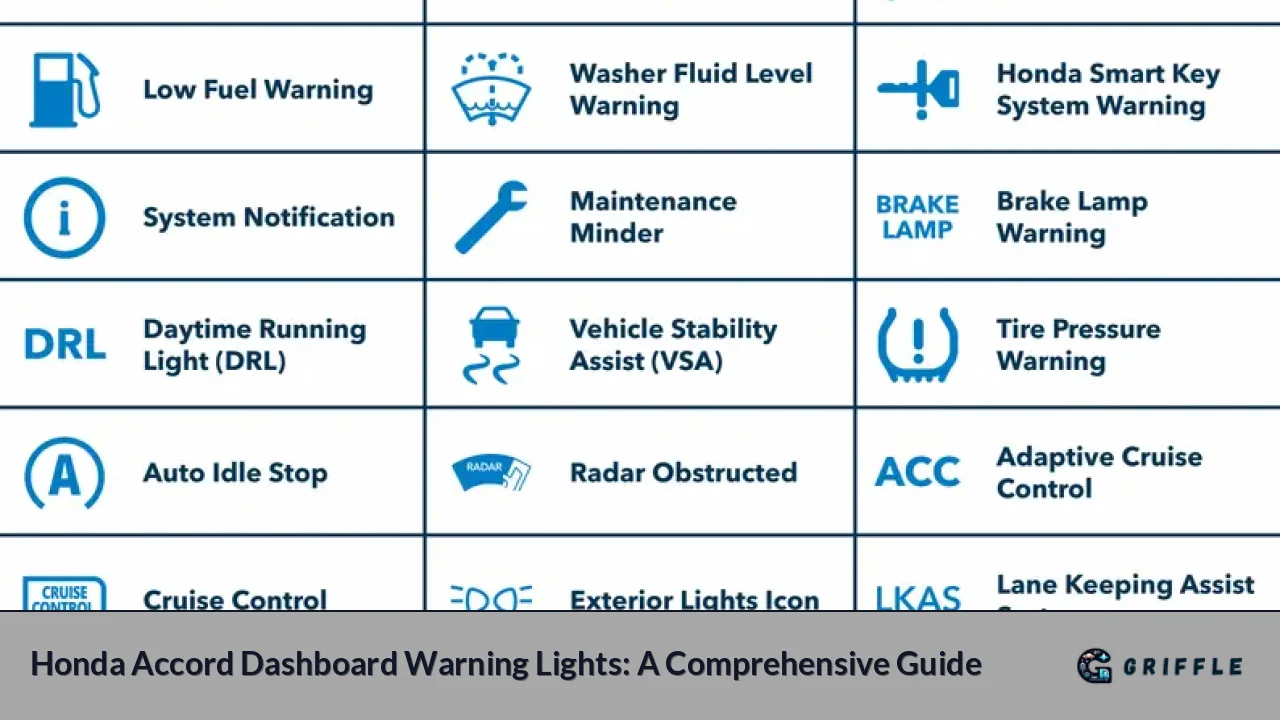
Seeing a sea of warning symbols flicker across the instrument panel can feel like a mystery you’re not equipped to solve. In a Honda Accord, an illuminated cluster of dash lights usually signals that the car’s electronic brain has detected something out of the ordinary. Whether the lights stay on constantly or flash intermittently, the underlying cause often ties back to a few common culprits: sensor glitches, battery issues, or a malfunctioning control module. Understanding why all the Honda Accord dash lights are on will help you decide whether a quick reset will do the trick or if a mechanic’s expertise is required.
Common Reasons All Dash Lights Turn On
While each light has its own specific meaning, a full‑panel illumination typically points to one of several broader problems.
- Low or failing battery voltage. A weak battery can cause the vehicle’s computer to misread sensor data, prompting it to flash every warning as a precaution.
- Faulty alternator. If the alternator isn’t charging properly, the electrical system may become unstable, leading to a cascade of alerts.
- Open or shorted wiring. Corroded connectors or damaged wires in the CAN‑bus network can send erroneous signals that trigger multiple warnings at once.
- Failed engine control module (ECM) or body control module (BCM). These central computers manage everything from emissions to climate control; a glitch can cause a “catch‑all” warning.
- Sensor malfunctions. A malfunctioning oxygen sensor, MAF sensor, or ABS wheel speed sensor can confuse the system enough to light up the entire dash.
How to Diagnose the Issue
Before you pop the hood, a systematic check can save you time and money.
1. Check the battery. Use a multimeter to measure the resting voltage; it should sit around 12.6 V with the engine off. If it drops below 12.2 V, the battery is likely the source.
2. Listen for the alternator. With the engine running, the voltage should rise to 13.8‑14.4 V. A lower reading suggests the alternator isn’t keeping up.
3. Scan for trouble codes. An OBD‑II scanner can pull stored codes that pinpoint the exact system or sensor that triggered the warning. Even if all lights are on, the ECM often logs a specific code.
4. Inspect wiring and fuses. Look for frayed harnesses, corrosion at connector terminals, and blown fuses. A quick visual sweep can reveal obvious problems.
Steps to Reset or Fix Common Problems
If the diagnostics point to a minor issue, you might be able to resolve it without a trip to the shop.
- Battery reset. Disconnect the negative terminal for about five minutes, then reconnect. This clears residual charge and forces the ECM to reboot.
- Clear codes with a scanner. After fixing the underlying cause—say, tightening a loose connector—use the scanner’s “Clear DTC” function. The dash lights should dim once the system revalidates the sensor data.
- Secure loose wiring. Tighten any loose clamps, replace corroded pins, and apply dielectric grease to protect against moisture.
- Replace a failing sensor. If the OBD‑II readout flags a specific sensor (e.g., an oxygen sensor P0135), swapping it out usually restores normal operation.
Remember that resetting the lights without addressing the root cause will likely cause them to reappear after a short drive.
When to Seek Professional Help
Some scenarios simply exceed the scope of DIY troubleshooting.
If the scan reveals multiple codes across unrelated systems, the BCM or ECM may be at fault, requiring specialized programming tools. Similarly, persistent alternator or starter issues often involve internal components best handled by a trained technician. Lastly, if the vehicle’s check‑engine light stays on after you’ve cleared codes and the car runs roughly, it’s a sign that deeper engine management problems need professional attention.
Frequently Asked Questions
Q: Can a single blown fuse cause all dash lights to illuminate?
A: Yes. Many of the dashboard indicators share a common power source protected by a fuse. If that fuse blows, the entire cluster can go dark or, paradoxically, stay lit as a fault warning.
Q: Is it safe to drive with all the dash lights on?
A: Generally, it’s not advisable. The illuminated panel means the vehicle’s computer has detected a condition that could affect safety or emissions. Short trips may be possible, but you should diagnose the issue promptly.
Q: Does a faulty key fob trigger dashboard warnings?
A: Occasionally. If the immobilizer system can’t verify the key, the ECU may flag an “immobilizer” or “security” warning, which can appear alongside other lights on some Accord models.
Q: How often should I replace the battery to avoid dash light issues?
A: Honda recommends checking the battery every 30,000 miles or two years, whichever comes first. Proactive replacement helps keep the electrical system stable.



.jpg?t=162248777851)