Why Apartment Fires Start With Sparks: Causes & Safety Tips
Apartment electrical sparks can ignite a fire in seconds. Understanding the causes and taking safety measures is essential for every renter. Whether you live in a high‑rise condo or a low‑rental unit, the hidden risks in your wiring, appliances, and devices can turn a harmless crackle into a dangerous blaze.
Below we break down the most common culprits that spark fires in apartments, explain how they work, and give practical steps to keep your living space safe.
Apartment Electrical Sparks: Causes and Safety Tips
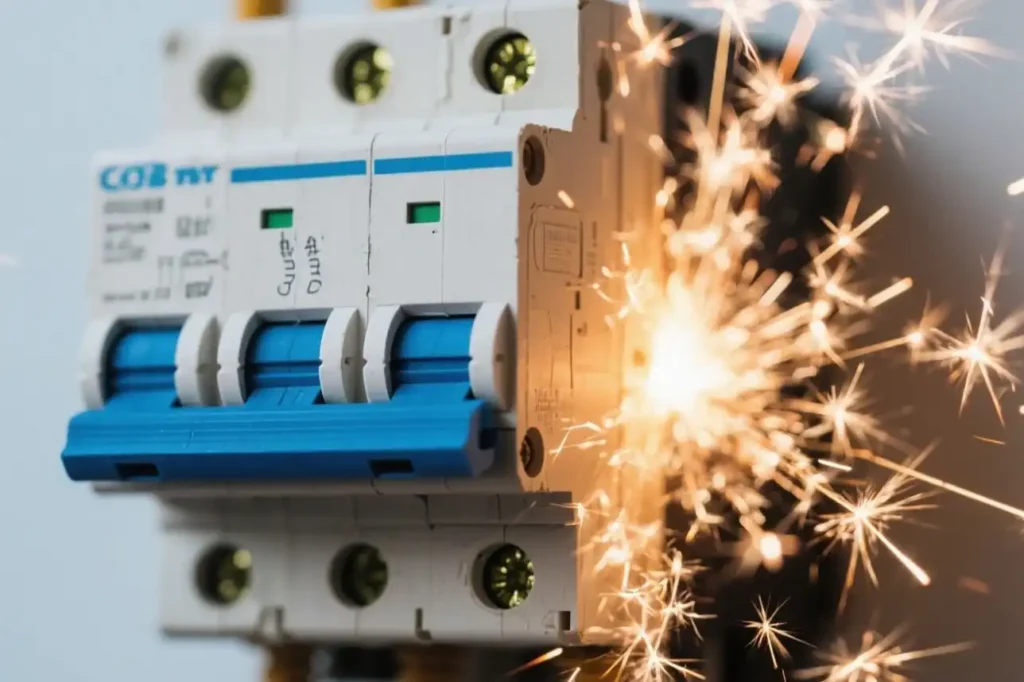
When a spark appears, it often signals an underlying problem. In apartment settings, the most frequent causes include overloaded circuits, faulty outlets, aging wiring, and improper use of extension cords. Each of these factors can create an environment where a single spark ignites flammable materials or even a gas leak.
1. Overloaded Circuits
Many renters plug multiple devices into a single outlet or power strip—coffee makers, chargers, lamps, and even kitchen appliances. The cumulative load can exceed the circuit’s capacity, causing a breaker to trip or, worse, a wire to overheat. Overheating can produce a visible spark or a faint electrical glow.
2. Faulty or Dated Outlets
Old apartment units often still have 120‑volt outlets that lack modern safety features like GFCI (Ground‑Fault Circuit Interrupter) protection. A cracked or loose outlet can create a poor connection, resulting in intermittent sparks whenever a plug is inserted. In some cases, the metal contacts themselves can degrade and short circuit.
3. Aging or Damaged Wiring
As buildings age, insulation can wear thin or become brittle. Once the insulation breaks, the conductors may touch each other or the metal framing of the apartment, creating a short that flashes a spark. Mold or moisture can also corrode the wires, accelerating the risk.
4. Improper Use of Extension Cords
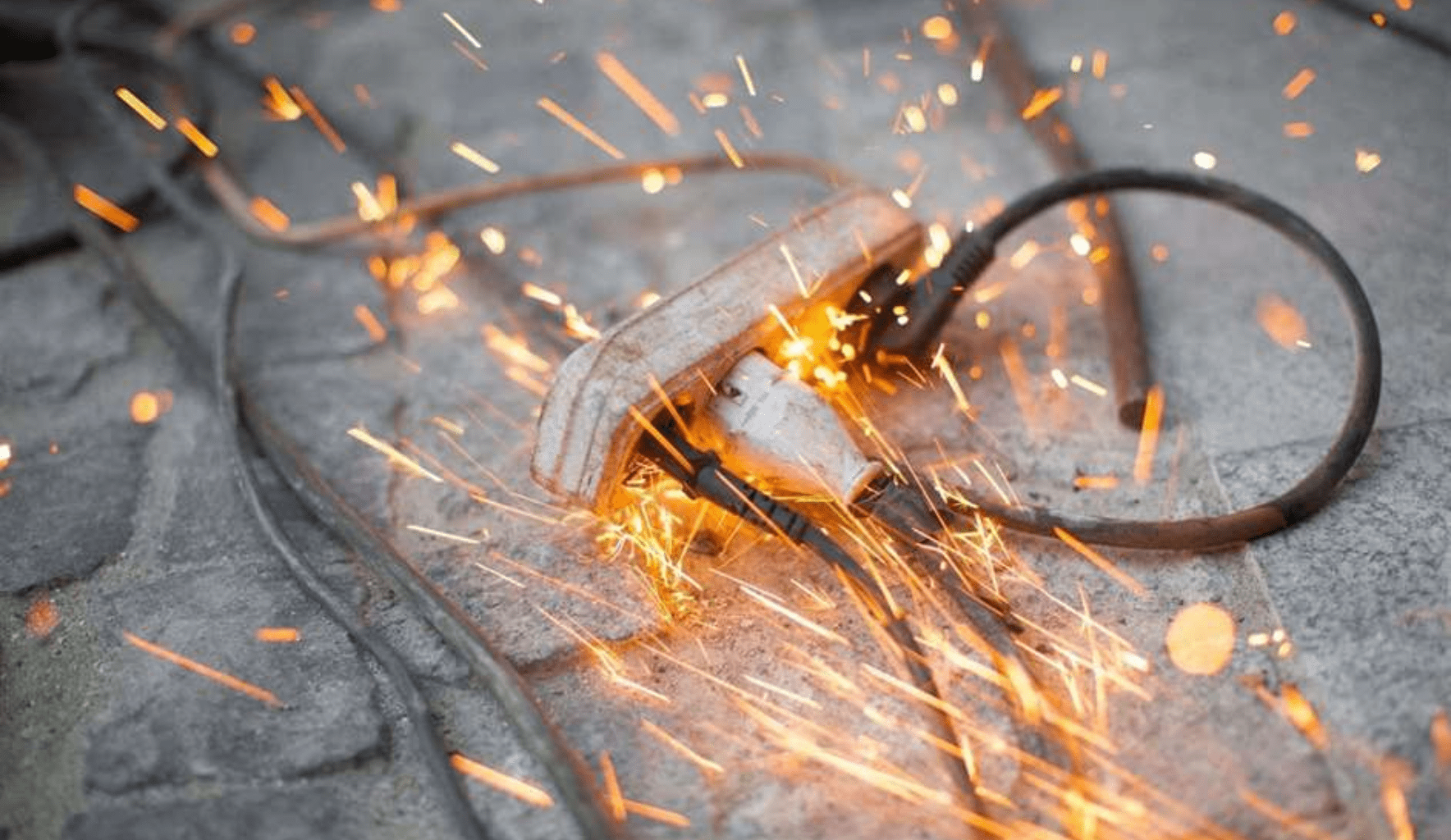
Using extension cords as a permanent solution is a fire hazard. Many cords are rated for lower current than what appliances demand. Overloading a cord can cause overheating and sparks—especially if the cord’s insulation is damaged or the connector is loose.
5. Kitchen and Laundry Appliances
Electric stoves, ovens, dryers, and dishwashers are major sources of heat and current. A faulty heating element or a loose connection inside these appliances can produce sparks that ignite nearby grease, paper, or clothing.
6. Heating Systems and Space Heaters
Portable electric heaters or baseboard units can overheat if blocked by furniture or if their internal components fail. The resulting sparks can easily ignite curtains, bedding, or carpet.
7. Smoke Detector and Other Electronic Devices
While rare, malfunctioning smoke detectors or other low‑voltage devices can spark if the battery contacts corrode or if the device is wired incorrectly. The spark may be subtle but still capable of starting a fire in a highly flammable environment.
Safety Tips to Prevent Spark‑Induced Fires
By staying vigilant and following a few practical guidelines, you can dramatically reduce the likelihood of a spark causing a disaster.
- Check and Replace Old Outlets: Whenever you notice a flickering, loose, or cracked outlet, contact a licensed electrician to replace it. Installing GFCI outlets in bathrooms, kitchens, and laundry rooms adds an extra layer of protection.
- Keep Circuits Uncluttered: Avoid plugging high‑draw appliances into the same outlet. Use dedicated circuits where possible, and keep the load well below the circuit’s capacity—ideally below 80% of the maximum rating.
- Use Rated Extension Cords: Only use heavy‑duty, multi‑conductive cords for short, temporary use. Ensure the cord’s gauge matches the appliance’s current draw.
- Inspect Wiring Periodically: Look for frayed, exposed wires, scorch marks, or a strong odor of burning. Report any findings to your landlord or a professional immediately.
- Keep Flammable Items Away: Store paper, cardboard, and fabric away from heating sources and electrical outlets. A 12‑inch clearance is generally recommended around heaters.
- Install Smoke Detectors: Ensure that each bedroom and hallway has functioning smoke detectors. Replace batteries annually and test the unit monthly.
- Use Surge Protectors Wisely: Surge protectors can help prevent damage from sudden voltage spikes, but they can also heat up if overloaded. Limit the number of devices on a single protector and avoid daisy‑chaining multiple power strips.
- Educate Roommates and Guests: Make sure everyone knows the basics of electrical safety—no plugging in more than one appliance at a time, no blocking outlets, and always report suspicious sparks.
In addition to these measures, maintaining a fire extinguisher in the kitchen and a working evacuation plan can make the difference between a quick escape and a catastrophic event.
Frequently Asked Questions
- What should I do if I see a spark? Turn off the power source immediately by flipping the circuit breaker or unplugging the device. Do not touch the spark or the affected outlet. Call an electrician for a thorough inspection.
- Can a single spark start a fire in an apartment? Yes. A spark can ignite flammable materials like dust, paper, or even a gas leak. Even a brief spark can trigger a chain reaction if the conditions are right.
- Is it safe to use a toaster oven in a cramped kitchen? Only if the outlet is dedicated, the cord is in good condition, and the toaster oven’s heat settings are not excessively high. Avoid placing it near curtains or other combustible surfaces.
- How often should I have my apartment’s electrical system inspected? If you’re renting, request a professional inspection at least once every few years. In older buildings, a yearly check can catch hidden problems before they become dangerous.