Why China’s Solar Panel Prices Are Rising and What It Means
In recent months, the cost of solar panels sourced from China has nudged upward, catching installers, developers, and investors off guard. While the jump isn’t dramatic enough to halt projects, it signals a shift in an industry long defined by steady price declines. Understanding what’s behind this uptick helps stakeholders anticipate future moves and decide whether to adjust budgets or seek alternatives.
The Recent Price Spike: What the Numbers Reveal
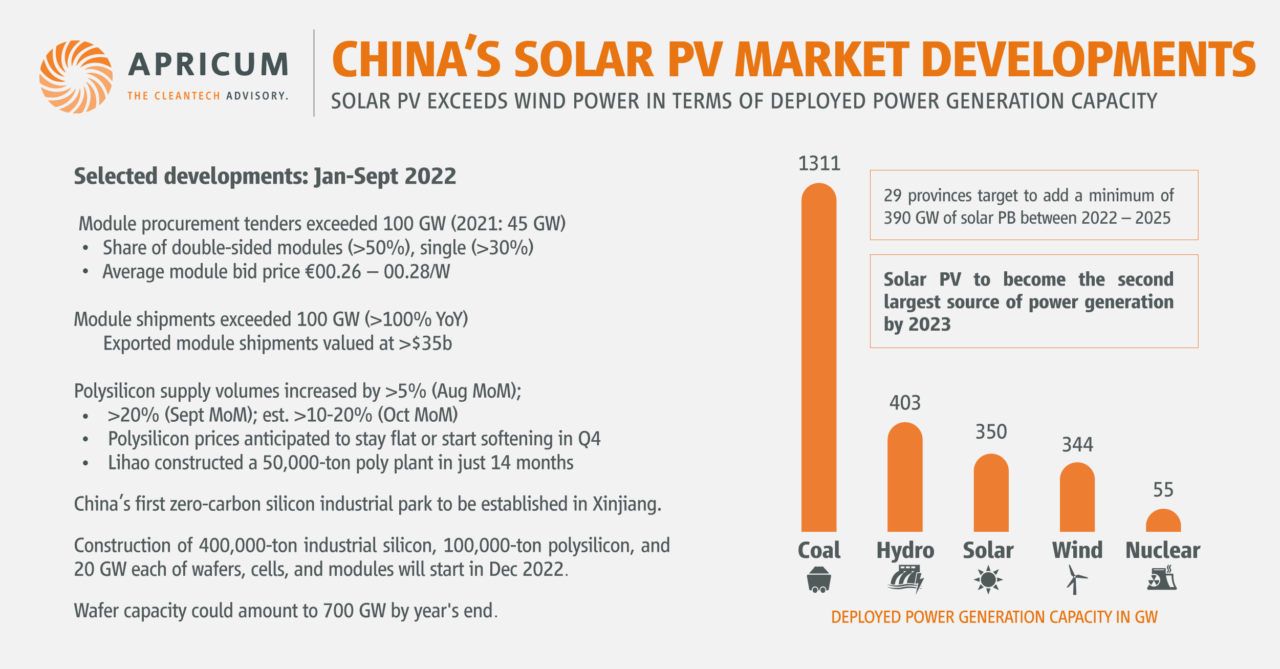
Data from several market trackers show an average price increase of roughly 3‑5 % for standard silicon modules since the start of the year. The rise is most noticeable in the 400‑watt segment, which has traditionally been the sweet spot for utility‑scale farms. Though the exact figure varies by region and supplier, the consensus is that Chinese manufacturers are no longer able to push prices down at the historic pace of 20‑30 % per year that defined the previous decade.
Underlying Factors Driving the Rise
Multiple forces are converging to lift costs:
- Raw material pressures. Polysilicon, the base material for most panels, has seen tighter supplies due to energy curtailments in key producing provinces. Higher electricity prices for manufacturers also ripple through the cost chain.
- Policy shifts. China’s renewed emphasis on carbon neutrality has spurred domestic demand for clean‑energy equipment, squeezing export capacity and prompting firms to prioritize local projects.
- Labor and logistics. Wage growth in manufacturing hubs and rising freight rates—especially after recent port congestion—add incremental expense per watt.
- Supply‑chain rebalancing. The lingering effects of pandemic‑related disruptions have encouraged some buyers to diversify sources, reducing the volume discounts that Chinese exporters once enjoyed.
These elements interact rather than act in isolation. For example, a modest hike in polysilicon costs can be amplified when freight rates climb, because the total landed price includes both material and transportation components.
How the Increase Affects Global Supply Chains
China still accounts for roughly 70 % of worldwide solar panel production, so any price movement reverberates globally. Developers in Europe and the United States report tighter margins, especially on projects that were budgeted under the assumption of continued price declines. Some large‑scale buyers have begun locking in prices through forward contracts, hoping to shield themselves from further volatility.
Meanwhile, manufacturers in Southeast Asia—particularly Vietnam and Malaysia—are seeing renewed interest as they can offer comparable quality at slightly lower freight costs. This budding competition could stabilize prices over the longer term, but the transition will take time as new factories scale up.
What Buyers Can Do Now
If you’re planning a solar installation, consider these practical steps:
- Lock in rates early. Forward purchase agreements or “price‑protection” clauses can lock current prices for a limited period, providing budgeting certainty.
- Explore alternative technologies. Bifacial modules or thin‑film options may carry different cost dynamics and could be more resilient to the same pressure points affecting conventional silicon panels.
- Factor logistics into the bid. Freight surcharges fluctuate, so a thorough cost model that separates material cost from shipping can reveal hidden savings.
- Stay informed on policy. Both Chinese export regulations and local incentives in your market can shift quickly. Subscribing to industry newsletters helps you react before a price shift becomes a project blocker.
Looking Ahead: Is This a Temporary Blip or a New Normal?
Analysts are split. Some argue the price rise is a short‑term correction as the market absorbs pandemic‑induced bottlenecks, while others see it as the beginning of a plateau—where further cost reductions become harder without breakthrough technology or major efficiency gains.
What’s clear is that the era of relentless price drops is ending, and the industry is moving toward a more mature pricing environment. This transition may actually benefit the sector: steadier prices can improve financing terms and reduce the risk premium that investors associate with solar projects.
FAQ
Q: Will the price increase affect residential solar installations?
A: Residential projects usually rely on smaller‑scale panels, which have seen a slightly lower price hike than utility‑scale modules. However, the overall impact on a home system’s total cost is still noticeable, especially when combined with higher installation labor rates.
Q: Can I still source panels from China at lower prices?
A: Yes, but you may need to negotiate volume discounts or consider older inventory that manufacturers are eager to move. Keep in mind that older panels might have slightly lower efficiency ratings.
Q: Are there any government incentives to offset the higher costs?
A: Many countries continue to offer tax credits or feed‑in tariffs that can partially offset price increases. Check the latest local policies, as some regions have introduced temporary bonuses to keep solar projects financially viable.
Q: How soon might alternative manufacturing hubs become competitive?
A: Vietnam and Malaysia are already expanding capacity, but reaching parity with China’s scale and cost structure could take another two to three years, depending on supply‑chain stability and labor costs.