Why Double Standards Matter in English Translation & Usage
What “double standards” actually mean in language work
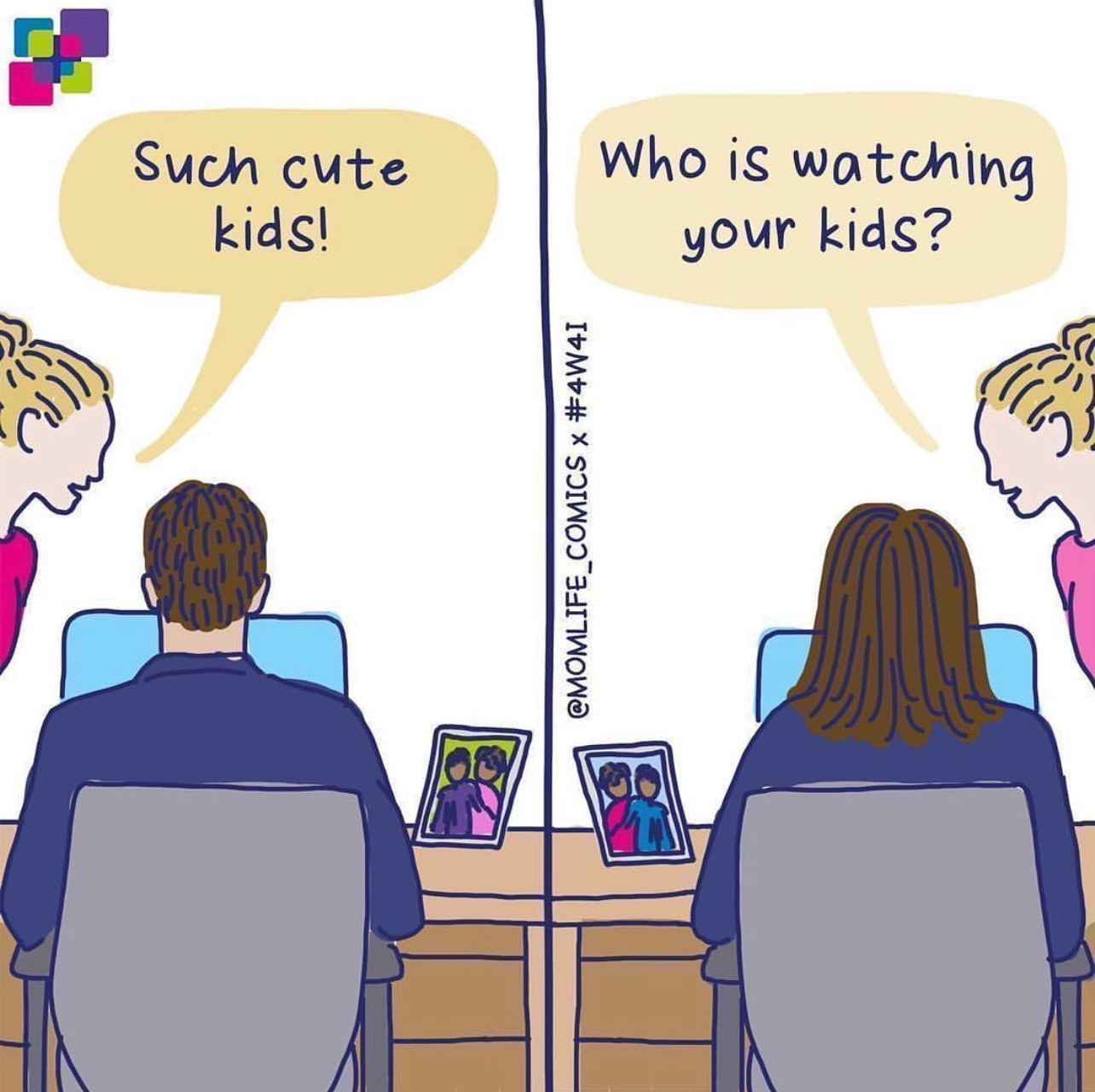
When you hear “double standards” you probably think of unfair rules in everyday life. In the world of English translation and usage, the phrase points to a subtler bias: the same rule applied to one word or construction, but a different rule to another, often without clear justification. This inconsistency can shape how learners, editors, and even native speakers perceive correctness, and it can affect everything from academic essays to subtitles on a streaming service.
Historical roots: how the paradox emerged
English has never been a monolithic language. From Shakespeare’s time to the rise of global media, the tongue has constantly absorbed regionalisms, slang, and foreign borrowings. As dictionaries tried to codify “proper” English, they sometimes privileged British norms while ignoring American innovations, or they accepted a foreign term only when it sounded prestigious. That selective acceptance laid the groundwork for the double standard we still see today.
Common arenas where the double standard shows up
1. Borrowed words vs. native neologisms – A French‑origin word like entrepreneur is often deemed “acceptable” in formal writing, yet a freshly coined English term such as “gig‑economy” may be dismissed as slang, even though both fill the same lexical gap.
2. Gendered language – “Chairman” once passed muster, while “chairperson” is praised for neutrality. Yet many style guides still allow “businessman” and “policeman,” creating an uneven landscape for gender‑inclusive language.
3. Regional spelling – American “color” is accepted worldwide, yet the British “colour” can be flagged as “non‑standard” in some US‑centric publications, despite the reverse being true in the UK.
Why the double standard persists
Three forces keep the bias alive. First, institutional inertia: long‑standing style manuals lock in certain preferences. Second, market pressure: publishers often chase the “most recognizable” form to reach the widest audience, even if that means privileging one variant over another. Third, a lingering belief that some varieties carry more prestige, which subtly influences editors’ decisions.
Impact on language learners
For non‑native speakers, navigating these contradictions can feel like walking a linguistic minefield. A learner might be praised for using “real‑world” phrasing in a conversation class, then penalized for the same phrasing in an academic essay because the teacher adheres to a different rule set. The result is confusion, reduced confidence, and sometimes a reluctance to experiment with language.
How to spot a double standard in your own writing
Ask yourself these quick questions:
- Am I applying a rule to one word but not to a synonym?
- Do I accept a foreign term while rejecting a home‑grown one that means the same thing?
- Is my source material from a different English dialect, and have I adjusted expectations accordingly?
If the answer is “yes” more often than “no,” you might be unwittingly reinforcing a double standard.
Practical steps for editors and teachers
Adopt a flexible style guide that acknowledges variation. When possible, note why a particular spelling or term is chosen—historical usage, audience expectations, or stylistic tone. Encourage learners to justify their choices rather than merely copying a rulebook. And, crucially, stay open to updates; language evolves, and yesterday’s “non‑standard” can become tomorrow’s norm.
Balancing consistency with inclusivity
Consistency is still valuable; readers benefit from predictable patterns. The trick is to achieve that consistency without imposing arbitrary hierarchies. One approach is to define a clear audience: if you’re writing for a British academic journal, stick to UK conventions, but explicitly state that American spellings are acceptable elsewhere. Transparency lets readers understand the rationale behind each choice.
FAQ
What is an example of a double standard in everyday English?
Consider the word “okay.” It’s widely accepted in informal speech, yet some formal style guides still flag it as “colloquial,” while a more obscure synonym like “acceptable” is never questioned, even though both convey the same idea.
Should I always follow the dictionary’s preferred spelling?
Not necessarily. Dictionaries capture one snapshot of usage. If your target audience uses a different spelling, it’s often smarter to follow their norm, provided you stay consistent throughout the document.
Can double standards be completely eliminated?
Probably not. Language is inherently fluid, and any set of rules will leave room for interpretation. The goal is to be aware of the bias, question it, and apply rules deliberately rather than reflexively.