Why Indonesian Cuisine Is Famous For Its Bold Spicy Flavors
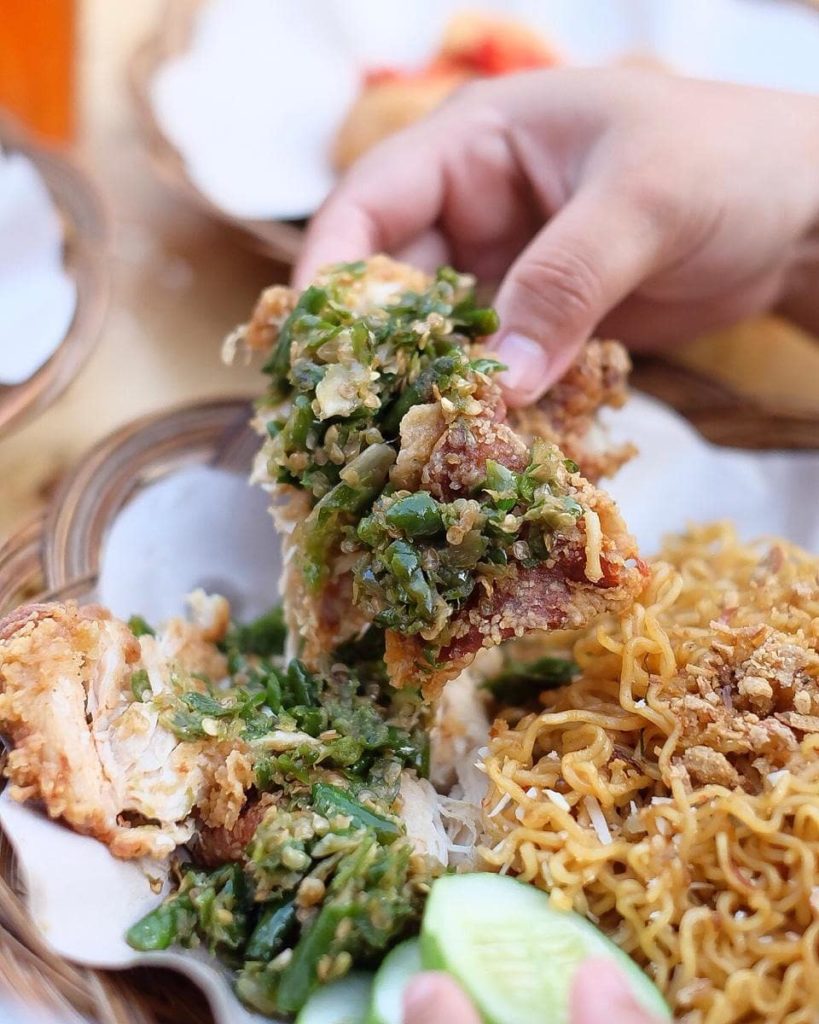
If you’ve ever dined at an Indonesian restaurant, you know the drill. The waiter places a small bowl on the table before your main course even arrives. Inside sits a vibrant, often red or brown paste of crushed chilies, shallots, garlic, and shrimp paste. This is the infamous sambal, and it is the heartbeat of Indonesian cuisine. For many visitors, the first encounter with Indonesian food is a shock to the system. It’s not just salty or sweet; it hits you with a immediate, lingering heat that demands attention. But this love for spice isn’t just about chasing a thrill. It’s deeply rooted in history, geography, and daily survival.
Indonesians don’t just eat spicy food; they live it. From the earliest street vendors selling grilled satay skewers to high-end hotels in Jakarta, chili peppers are ubiquitous. Unlike some cuisines where heat is an optional adjustment, in Indonesia, spice is often the default baseline. The question isn’t usually “Do you want it spicy?” but rather “How much spice can you handle?” This cultural dedication to capsaicin has shaped the nation’s palate for centuries, creating a culinary identity that is distinct, bold, and unforgettable.
The Historical Bridge: From Spice Islands to Everyday Tables
To understand why Indonesian food is so fiery, we have to look at history. The archipelago was once known as the Spice Islands, but those spices were cloves, nutmeg, and cinnamon—aromatics prized by European colonial powers. Chili peppers, however, are not native to Indonesia. They were introduced by Portuguese traders in the 16th century, bringing seeds from the Americas. Before this arrival, locals used black pepper and ginger for heat. These ingredients were expensive and labor-intensive to grow.
Chili peppers changed everything. They were hardy, fast-growing, and incredibly productive. Crucially, they were affordable for the common person, not just the elite. Within a few generations, the chili pepper replaced black pepper as the primary source of heat in everyday cooking. What started as a practical substitution became a culinary revolution. The versatility of different chili varieties allowed cooks to experiment with flavors that ranged from fruity and mild to earthy and searingly hot. Today, the chili is so integrated into its heritage that it’s impossible to imagine Indonesian cuisine without it.
The Crucial Role of the Sambal
If there is one ingredient that defines the spicy soul of Indonesia, it’s the sambal. At its simplest, sambal is a condiment made from ground chilies, but its composition varies wildly across the 17,000 islands of the archipelago. A basic sambal iris might include just sliced red chilies and green chilies drenched in hot oil and vinegar. It’s raw, sharp, and incredibly potent. Other versions are cooked. Sambal goreng involves frying the chili paste with garlic, shallots, and sometimes shrimp paste (terasi) until the oils separate and the flavors deepen into a rich, umami bomb.
The beauty of sambal is its adaptability. It pairs with almost everything. Dip your satay into it, stir it into your nasi goreng (fried rice), or slather it over grilled corn on the cob. For many Indonesians, a meal feels incomplete without that final kick from the side bowl. It’s not just about heat, either. Good sambal balances pungency with sugar, tamarind, or lime juice. The goal is harmony, where the spice enhances the other flavors rather than overwhelming them. This balance requires skill and intuition, passed down through generations of home cooks.
Regional Variations in Heat and Flavor
While the general reputation for spiciness holds true across the country, the type and intensity of heat vary significantly by region. In Sumatra, particularly in Padang cuisine from West Sumatra, the heat is often accompanied by a robust blend of spices like lemongrass, turmeric, and kaffir lime leaves. The sambals here tend to be thicker and more complex, designed to complement rich curries like rendang.
In contrast, the cuisine of Surabaya in East Java features sambal goreng puter, which is thicker and includes spices like coriander and cumin. It’s less about immediate, sharp pain and more about a lingering, warming sensation that builds up over the meal. Meanwhile, in the mountains of Bali, chili peppers are often used alongside local ingredients like shallots and lime leaves, creating a fresher, brighter heat that cuts through the richness of coconut milk-based dishes.
These regional differences mean that “spicy” means something different depending on where you are in Indonesia. A dish that might be moderate in Jakarta could be considered mild in Padang, while the same dish might blaze with heat in West Java. This diversity keeps the culinary landscape dynamic and exciting, encouraging travelers to explore different interpretations of spiciness.
Health and Cultural Significance
Beyond taste, there is a cultural belief that spicy food is good for you. In the hot, humid climate of Indonesia, sweating is inevitable. Spicy food induces sweating, which some believe helps cool the body down and detoxify it. Chili peppers are also rich in vitamin C and antioxidants, adding nutritional value to the diet. The communal aspect of eating spicy food cannot be understated. Sharing a plate of spicy satay or a large bowl of nasli goreng with friends is a social ritual. The shared experience of dealing with the heat creates a sense of camaraderie. Laughter and wiping away tears over a particularly hot sambal is a common sight in Indonesian restaurants.
However, it’s not always about endurance. Many Indonesians have developed a high tolerance for capsaicin over a lifetime of exposure. What seems extreme to a visitor might be simply “strong flavor” to a local. This doesn’t mean the food lacks subtlety, though. Beneath the heat, there are layers of sweetness from palm sugar, sourness from tamarind or lime, and savory notes from shrimp paste and anchovies. The spice acts as a vehicle, carrying these flavors to the palate in a way that is memorable and satisfying.
Frequently Asked Questions
- Is all Indonesian food spicy? Not necessarily. While sambal is ubiquitous, many dishes like gulai (curry) or soto (soup) have mild base flavors. The heat comes primarily from the side condiments, which you can control. However, spicy dishes like ayam goreng katsu with spicy mayo or soto betawi with sharp chilies are common defaults in many eateries.
- How do Indonesians handle the spice level? Most locals develop a tolerance over time. They often start with milder versions and gradually incorporate hotter chilies. It’s also common to pair spicy food with cooling elements like cucumber, cucumber leaves, or coconut water to balance the heat.
- Can you ask for less spice? Yes, absolutely. In restaurants, you can specify “pedas tidak?” (not spicy) or “sedikit pedas” (little spicy). Home cooks will almost always accommodate requests for milder flavors, knowing that spice preferences vary widely.
- What are the most common types of chilies used? Red bird’s eye chilies (cabai rawit merah) are the most common for intense heat. Green bird’s eye chilies (cabai rawit hijau) offer a sharper, fresher heat. Larger red chilies (cabai besar) provide color and a milder kick, often used in sambal goreng.
Ultimately, the Indonesian love for spicy food is a testament to the adaptability and richness of its culture. It’s a flavor profile that challenges the palate, engages the senses, and brings people together. Whether you’re a spice enthusiast or a cautious eater, exploring the world of Indonesian sambal is an experience that offers depth, complexity, and a whole lot of flavor. It’s not just about the heat; it’s about the joy of discovery and the shared pleasure of a great meal.