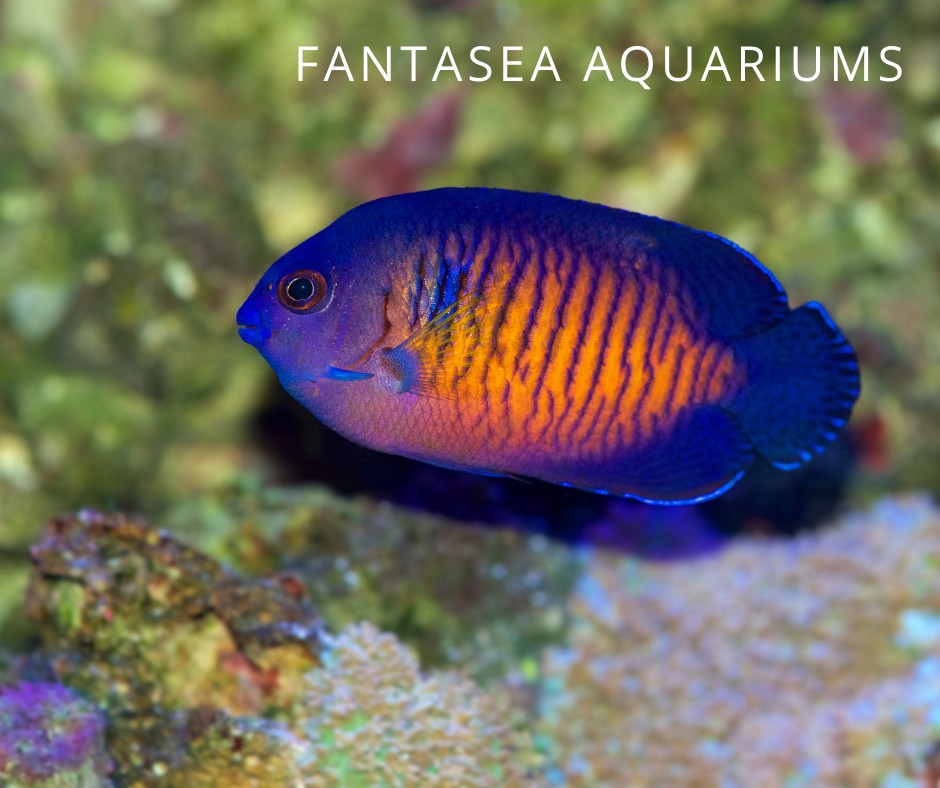
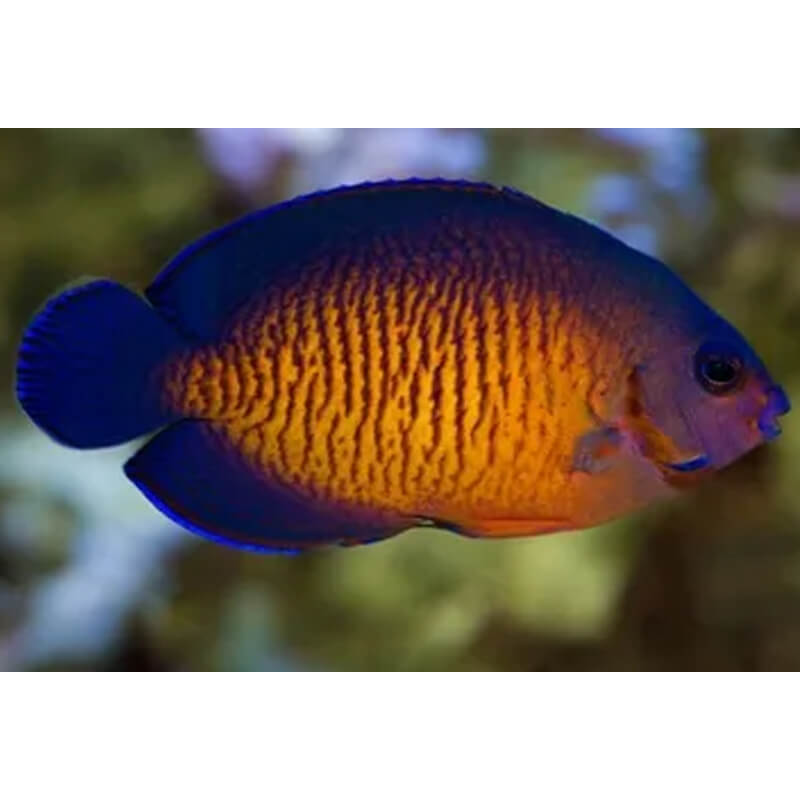
Why Is My Coral Beauty Angelfish Swimming Erratically?
Seeing a Coral Beauty dart around the tank in sudden bursts can feel like a mystery you didn’t ask for. The erratic swimming pattern isn’t just a quirky habit; it’s often a signal that something in the environment or the fish’s health needs attention. Below we break down the most common reasons behind this behavior and give you a step‑by‑step plan to get your angelfish back to smooth, graceful glides.
Typical Triggers for Erratic Movement
Coral Beauties are naturally active, but certain stressors can turn their normal cruising into a jittery dance. Here are the usual suspects:
- Water parameter spikes – rapid changes in temperature, pH, or salinity can disorient a fish.
- New tank introductions – adding other fish or invertebrates can spark territorial skirmishes.
- Insufficient hiding spots – these dwarf angelfish like crevices to retreat to; a bare rockscape feels exposed.
- Parasites or disease – external parasites often cause frantic swimming as the fish tries to rub them off.
- Feeding anxiety – over‑feeding or a sudden switch in diet can upset the gut and trigger odd behavior.
Diagnosing Water Quality Issues
Before you start moving décor or adjusting diet, grab a test kit and run the basics: ammonia, nitrite, nitrate, and pH. Even a slight rise in ammonia—say, 0.25 ppm—can make a Coral Beauty feel uneasy. If any parameter is out of the ideal range (temperature 76‑80°F, pH 8.1‑8.4, salinity 1.023‑1.025), make a gradual correction over 24–48 hours. Sudden drops can be just as stressful as spikes.
Don’t forget the less obvious factors. A drift in alkalinity or a buildup of dissolved organic compounds can cloud the water’s visual cues, prompting the fish to swim erratically as it searches for familiar landmarks.
Health Checks You Can Do at Home
Inspect the Coral Beauty closely, ideally with a magnifying glass. Look for these warning signs:
- White spots or fuzzy growth on fins – possible ich or fungal infection.
- Rubbing against rocks or the glass – a tell‑tale sign of external parasites.
- Clamped fins or loss of appetite – general stress indicators.
- Swollen abdomen or visible ulcers – internal issues that may need professional treatment.
If you spot any of these, consider a short quarantine in a separate hospital tank. Adding a dip of copper‑based medication (following the label’s dosage) can help eradicate parasites, but be cautious: copper is toxic to invertebrates and some corals.
Adjusting the Environment for Calm Swimming
Creating a stable, enriching habitat does wonders for a nervous Coral Beauty. Here are a few practical tweaks:
- Rockwork with caves – aim for at least one snug hiding spot per fish.
- Gentle water flow – a moderate current mimics reef crests without overwhelming the fish.
- Low‑light, high‑contrast décor – bright, uniform lighting can disorient a dwarf angelfish; consider dimming the main lights and adding a few blue LEDs.
- Consistent feeding schedule – offer a mix of frozen mysis, chopped shrimp, and quality marine flakes once or twice daily.
After making changes, monitor the fish for a few days. A noticeable reduction in sudden darts or pauses usually means the environment is hitting the right notes.
When to Call a Professional
If erratic swimming persists despite clean water, a healthy diet, and a well‑structured tank, it’s time to seek expert advice. Persistent behavior can hint at internal organ issues, such as swim‑bladder disorder, which requires precise treatment. A marine veterinarian or an experienced aquarist can run diagnostic tests—like a water‑sample analysis for trace metals—or prescribe medications not available over the counter.
Don’t wait too long; the longer a problem lingers, the harder it can be to reverse. Early intervention often means the difference between a quick recovery and a chronic condition.
Quick FAQ
Q: Why does my Coral Beauty dart to the surface suddenly?
A: A surface dash can indicate low oxygen or a reaction to a sudden temperature rise. Check the aeration and verify the heater’s setting.
Q: Can lighting affect swimming patterns?
A: Yes. Bright, flickering lights can confuse the fish’s perception of depth. Dimming the main lights or using a more stable spectrum often calms erratic bursts.
Q: Is it normal for a new Coral Beauty to swim erratically for the first week?
A: Some adjustment turbulence is typical, but it should subside within a few days. Prolonged erratic behavior suggests stressors that need correction.
Q: What role does diet play in swimming behavior?
A: A poor or imbalanced diet can cause digestive discomfort, leading the fish to flutter around the tank. Providing varied, high‑protein foods helps maintain steady energy levels and smoother movement.