Why the 1990s Kosovo Conflict Turned Violent: Root Causes
Historical backdrop to the unrest
The seeds of the 1990s Kosovo violence were sown long before the breakup of Yugoslavia. After World War II, Kosovo became an autonomous province within the Serbian republic, a status that was repeatedly altered by successive leaders. By the late 1980s, Slobodan Milošević’s push to recentralize power sparked a wave of resentment among the majority Albanian population.
These constitutional shifts weren’t just bureaucratic; they altered everyday life. Albanian-language schools were closed, and many public-sector jobs were reserved for Serbs. The resulting sense of marginalization turned political disagreement into personal grievance.
Ethnic tensions and rising nationalism
Ethnic identity was the fault line that split Kosovo’s communities. While Albanians formed roughly 80 % of the population, the Serbian minority viewed the region as a historic heartland. Nationalist rhetoric on both sides amplified fear and mistrust.
In the early 1990s, Serbian media portrayed Albanians as separatists threatening the unity of the state. At the same time, Albanian activists organized peaceful protests demanding greater autonomy. When the government responded with police crackdowns, the protests morphed into clashes, setting the stage for the broader conflict.
Political fragmentation of Yugoslavia
Yugoslavia’s disintegration created a power vacuum that local leaders were eager to fill. As Slovenia and Croatia declared independence, Serbia clung to a vision of a “Greater Serbia,” seeking to retain territories with significant Serb populations. Kosovo, with its mixed ethnic composition, became a focal point of that ambition.
The federal government’s inability to mediate disputes left Kosovo’s Albanian leadership to pursue self‑determination through informal channels. Parallel institutions—schools, healthcare, and tax collection—sprouted outside the official system, further undermining state authority.
Economic strain and social unrest
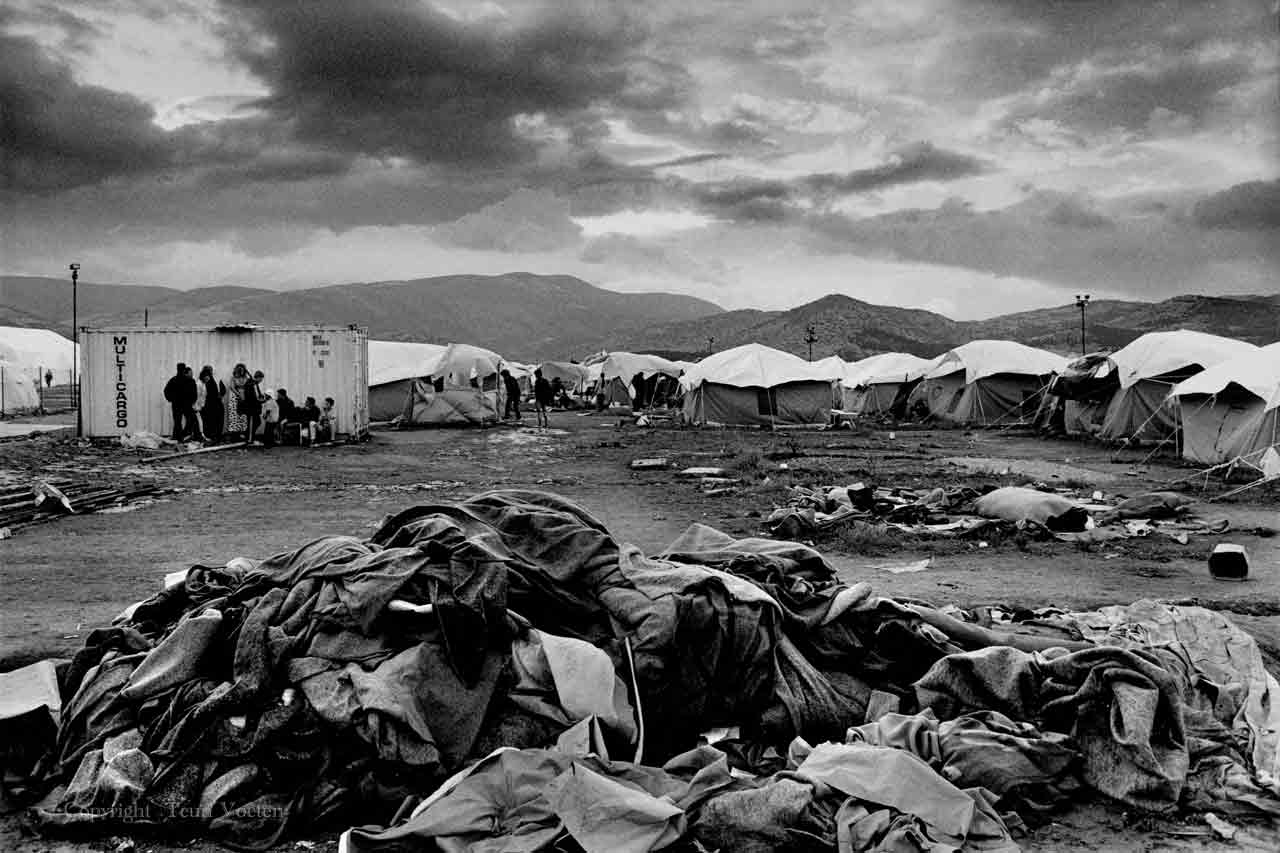
Hyperinflation and unemployment plagued the region throughout the early 1990s. The sanctions imposed on Serbia after the wars in Croatia and Bosnia crippled trade, and ordinary citizens felt the pinch most acutely.
Economic hardship intensified ethnic grievances. When jobs vanished, competition over scarce resources turned bitter, especially in mixed neighborhoods. The resulting social tension made it easier for extremist factions on both sides to recruit disaffected youths.
International response and its unintended effects
Western powers initially regarded the Kosovo issue as an internal Serbian matter, urging dialogue but offering little concrete support. The lack of decisive action emboldened hardliners in Belgrade, who interpreted silence as tacit approval for their policies.
Conversely, Albanian diaspora groups lobbied abroad, securing humanitarian aid that, while well‑intentioned, sometimes bypassed official channels. This parallel aid network reinforced the parallel institutions, further eroding the legitimacy of the central government and deepening the divide.
- Missed diplomatic windows: Early attempts at negotiation were abandoned as trust eroded.
- Escalation of armed groups: The Kosovo Liberation Army (KLA) emerged, framing its armed struggle as a response to systemic oppression.
- Media amplification: International coverage highlighted atrocities, feeding a cycle of retaliation.
How these factors converged into violence
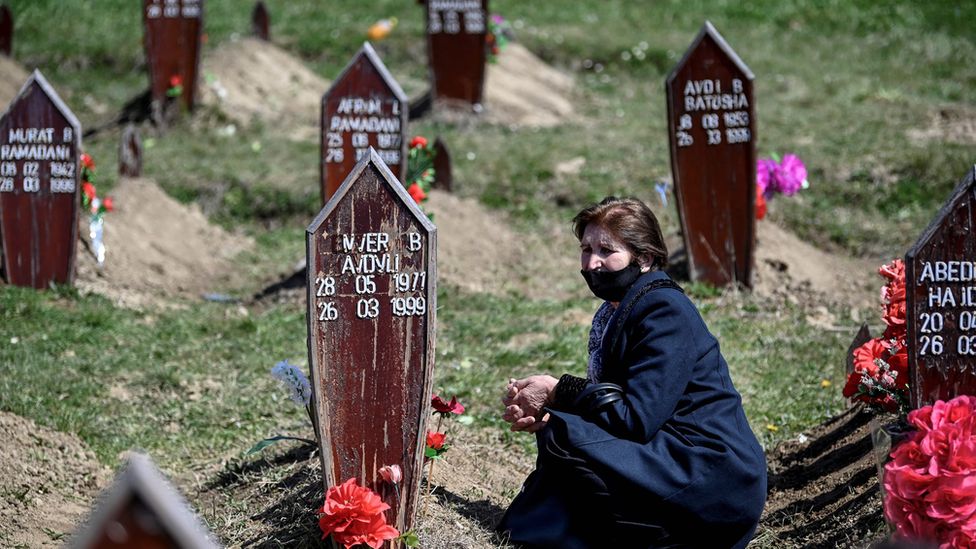
When constitutional changes, ethnic nationalism, political chaos, economic hardship, and ambiguous foreign policy intersected, violence became almost inevitable. Each cause reinforced the others, creating a feedback loop that spiraled into open conflict by the mid‑1990s.
Understanding the Kosovo Conflict causes of 1990s violence requires seeing them as interlocking pieces rather than isolated incidents. Only by recognizing this complexity can we appreciate how quickly a region can slip from protest to war.
Frequently Asked Questions
What triggered the first armed clashes in Kosovo?
The first major armed engagements erupted in 1996 when the KLA began attacking Serbian police outposts, reacting to years of repression and denied political rights.
Did the international community ever intervene before NATO?
Prior to NATO’s 1999 campaign, the UN and the OSCE attempted limited mediation, but without strong enforcement mechanisms, their efforts had little impact on the ground.
How did the economic situation influence the rise of the KLA?
Widespread unemployment and inflation left many young Albanians vulnerable to recruitment, as the KLA offered both a sense of purpose and a promise of change.
Are the root causes of the 1990s conflict still relevant today?
Many of the underlying grievances—questions of autonomy, ethnic representation, and economic disparity—continue to shape Kosovo’s political landscape, though the intensity of violence has largely subsided.