Why Three‑Phase Electric Motors Matter: A Deep Dive into Their Design and Use
When you turn on an industrial fan, a conveyor belt, or even a large household appliance, the hidden workhorse behind the motion is almost always a three‑phase electric motor. These motors are the backbone of modern electrical infrastructure, delivering reliable power where single‑phase systems simply can’t keep up. Let’s unpack how they operate, why they’re preferred, and what you should know when picking one for a project.
What Are Three‑Phase Electric Motors?
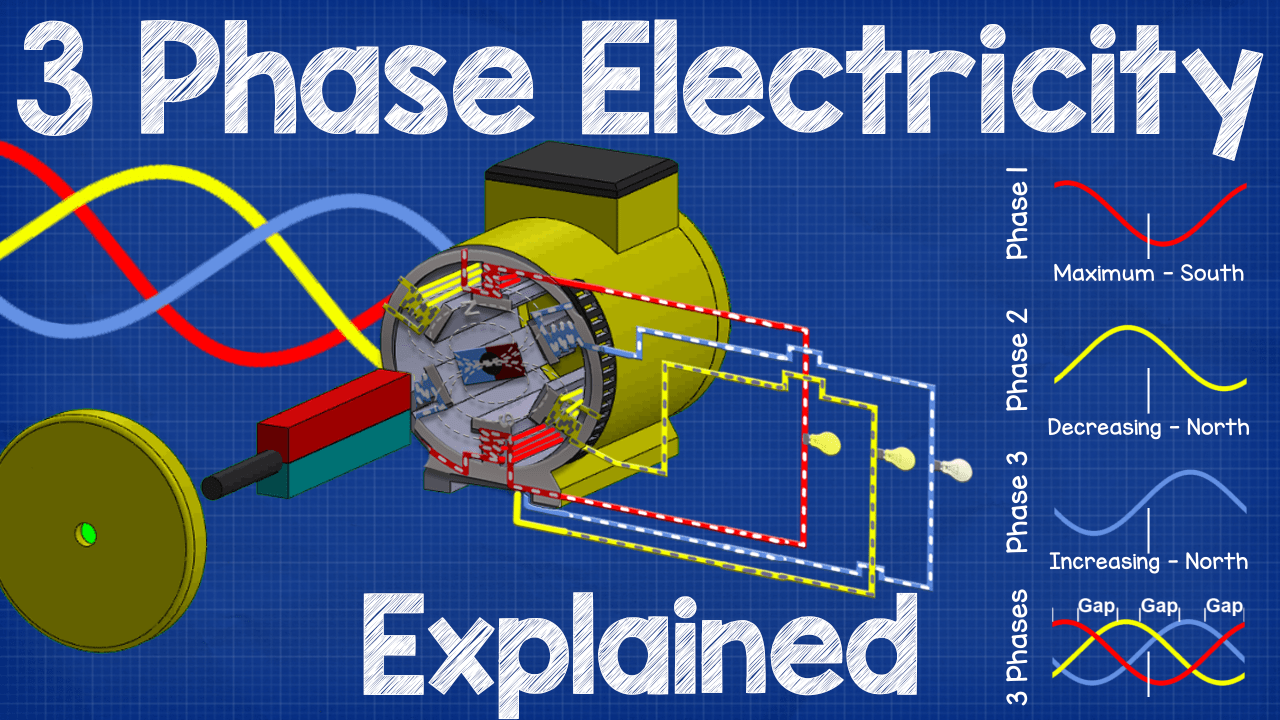
At their core, three‑phase motors are AC induction or synchronous devices that receive power from a three‑phase supply—three sinusoidal voltages that are 120° out of phase with one another. This configuration creates a rotating magnetic field that spins the motor’s rotor. Because the supply never drops to zero voltage, the motor runs smoothly from the moment it starts.
How Three‑Phase Power Drives the Motor
The rotating magnetic field is the secret sauce. Imagine three magnets positioned 120° apart, each pulsed by its own AC voltage. As the voltages cycle, the magnetic lines of force sweep around, pulling the rotor into motion. The result is a constant torque that doesn’t “slip” like a single‑phase motor might experience at startup.
Key Advantages Over Single‑Phase Systems
- Higher Power Density: A three‑phase motor can deliver twice the power of a similarly sized single‑phase motor.
- Better Start-Up Performance: The rotating field eliminates the need for a separate starting winding, providing a smooth and powerful start.
- Reduced Heat Generation: Constant voltage means lower current spikes, which keeps the motor cooler and extends its lifespan.
- Improved Efficiency: With fewer losses, three‑phase motors run more efficiently, saving energy in large‑scale operations.
Common Applications and Where They Shine
Three‑phase motors are ubiquitous in places that demand robust, continuous performance:
- Manufacturing: CNC machines, presses, and assembly line conveyors rely on the consistent torque these motors provide.
- HVAC: Large chillers and refrigeration compressors run on three‑phase power for steady, high‑capacity cooling.
- Utility‑Scale: Wind turbines, electric substation equipment, and power transformers often incorporate three‑phase motors to handle heavy loads.
- Commercial & Residential: High‑capacity water pumps, air‑conditioning systems, and laundry machines in commercial settings are frequently driven by three‑phase motors for better energy efficiency.
Choosing the Right Motor: Size, Speed, and Power
Before you pick a motor, you need to translate your application’s requirements into three key parameters: horsepower, speed (RPM), and torque. Start by estimating the load’s power demand, then factor in safety margins for startup surges and future expansion.
Motor Types and Their Characteristics
- Induction Motors: Most common, rugged, low maintenance. Ideal for continuous, variable‑speed loads.
- Synchronous Motors: Provide precise speed control, useful in applications like servo drives and high‑accuracy positioning.
- Universal Motors: Though not truly three‑phase, they can run on single or three‑phase and are found in high‑speed appliances.
Key Parameters to Consider
- Voltage Rating: Align with the available supply (e.g., 460 V or 690 V).
- Phase Connection: Star (Y) or Delta (Δ) changes the voltage per phase and affects starting torque.
- Power Factor: A higher PF reduces the phase current for the same torque, improving overall system efficiency.
- Ambient Temperature: Motors have derating curves; operating above recommended temperatures can shorten life.
Installation and Maintenance Tips
Proper setup is half the battle in motor reliability. Keep these points in mind:
Connection Schemes: Star vs. Delta
Star connections reduce the voltage across each winding, which lowers starting current but also reduces torque. Delta connections provide full line voltage across each winding, boosting torque but increasing the startup current. Choose based on load requirements and available supply.
Safety and Protection Devices
- Overcurrent Relays: Protect the motor from short‑circuit and overload conditions.
- Temperature Sensors: Monitor winding temperatures to prevent overheating.
- Ground Fault Interruptors: Essential for preventing electrical shock, especially in wet environments.
Future Trends in Three‑Phase Motor Technology
The industry is moving toward smarter, more efficient motors. These developments promise to make motor control more adaptable and energy consumption lower.
Smart Motors and Digital Controls
Integrated microcontrollers allow real‑time monitoring of temperature, vibration, and current, enabling predictive maintenance and faster fault detection.
Energy Efficiency Upgrades
High‑efficiency grades, like IE4 and IE5 motors, use advanced alloys and better insulation to shave off energy costs while meeting stricter regulations.