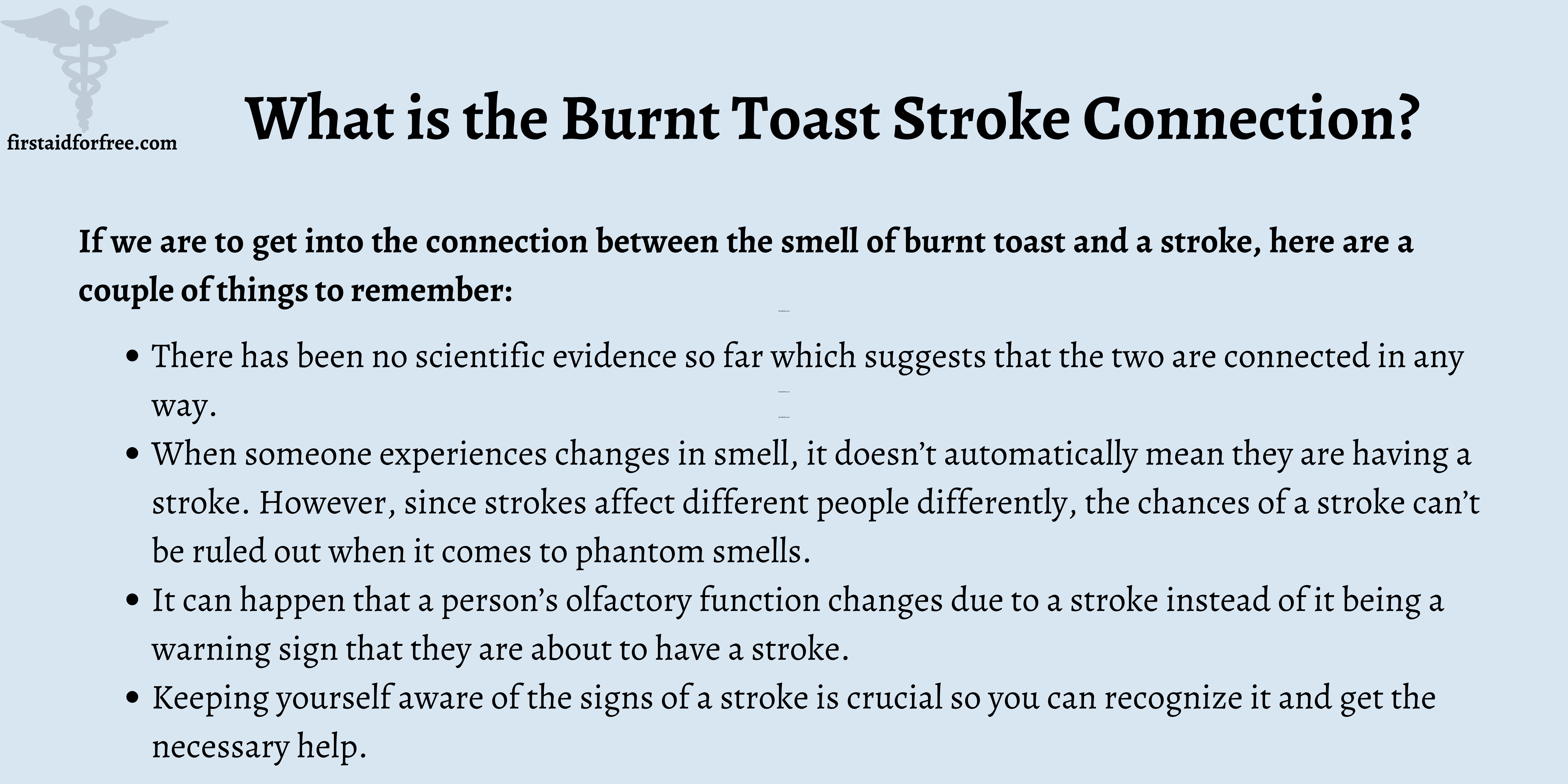
Why You Might Smell Burnt Toast When Nothing’s Burning
It’s unsettling to catch the scent of burnt toast drifting through the kitchen, only to glance around and see no crumbs, no toaster, no fire. You’re not alone—many people experience phantom smells, medically known as olfactory hallucinations. While occasional mischief of the mind is harmless, persistent or sudden episodes can signal an underlying issue that deserves attention.
What Is an Olfactory Hallucination?
An olfactory hallucination occurs when the brain registers a smell that isn’t actually present in the environment. Unlike a typical scent, which travels from a source to the nose, this phantom aroma originates within the nervous system itself. The most common “burnt toast” report is just one example; people also describe rotten eggs, chemicals, or even perfume when nothing is around.
Common Medical Reasons You Might Smell Burnt Toast
Several health conditions can trigger this strange perception. Understanding the likely culprits helps you decide whether a simple home remedy is enough or a doctor’s visit is warranted.
- Neurological events. Strokes, especially in the temporal lobe, can disrupt the brain’s smell‑processing centers, leading to sudden phantom odors.
- Migraines. Some migraine sufferers report “aura” symptoms that include unusual smells, often described as burnt or chemical.
- Epileptic seizures. A seizure focus in the olfactory cortex may produce brief episodes of smelling burnt toast before or during a seizure.
- Sinus infections or nasal polyps. Inflammation or blockage can distort signals from the olfactory nerve, creating the illusion of a lingering toast scent.
- Brain tumors. Though rare, growths near the olfactory bulb can interfere with normal scent perception.
- Medication side effects. Certain antibiotics, antihypertensives, and antipsychotics list altered smell as a possible adverse effect.
- Psychiatric conditions. Severe depression or psychosis may include olfactory hallucinations, though they’re usually accompanied by other symptoms.
When to Seek Immediate Care
If the burnt‑toast smell appears suddenly and is accompanied by any of the following, treat it as a medical emergency:
- Sudden weakness or numbness on one side of the body.
- Difficulty speaking, understanding language, or confusion.
- Severe headache that feels different from a usual migraine.
- Vision changes, dizziness, or loss of balance.
- Chest pain, shortness of breath, or a feeling of impending faintness.
These signs could indicate a stroke, aneurysm, or other acute neurological event that requires prompt evaluation.
What You Can Do at Home
When the phantom smell is mild, intermittent, and not linked to alarming symptoms, you can try a few practical steps before scheduling a clinic visit.
- Check your environment. Ensure no hidden appliance is malfunctioning—old coffee makers, toasters, or heating elements can emit faint burnt odors.
- Hydrate and clear nasal passages. Saline sprays or a warm steam inhalation may reduce sinus inflammation that sometimes mimics phantom smells.
- Review recent medications. Look up side‑effects; if a new drug coincides with the onset, discuss alternatives with your prescriber.
- Monitor frequency. Keep a brief diary noting when the smell occurs, duration, and any accompanying sensations. Patterns can be valuable for a clinician.
Diagnostic Pathways
If your doctor suspects a neurological cause, they may order imaging such as an MRI or CT scan to visualize the brain’s olfactory pathways. Blood tests can rule out infections or metabolic imbalances, while an ENT (ear‑nose‑throat) specialist might perform a nasal endoscopy to examine the sinus cavities.
In some cases, a referral to a neurologist is appropriate, especially if you have a history of migraines, seizures, or unexplained sensory changes. The specialist may conduct an electroencephalogram (EEG) to detect abnormal electrical activity that could explain the phantom odor.
Living With Intermittent Olfactory Hallucinations
For individuals whose episodes are infrequent and not linked to a serious condition, coping strategies can make daily life less unsettling. Keeping a calm mindset—recognizing that the brain sometimes “plays tricks”—helps reduce anxiety. Some people find that focusing on a different scent, such as fresh coffee or citrus, can override the phantom smell and restore a sense of normalcy.
However, never ignore a change in pattern. An increase in frequency, intensity, or the addition of other sensory disturbances warrants a reassessment by a healthcare professional.
FAQ
Q: Can stress cause me to smell burnt toast?
A: Stress alone rarely produces a specific phantom odor, but it can heighten awareness of subtle sensory changes and may trigger migraines, which sometimes include olfactory auras.
Q: Is a sinus infection likely to make me smell something that isn’t there?
A: Yes. Blocked or inflamed sinus passages can distort smell signals, leading to phantom scents. Treating the infection usually resolves the issue.
Q: Should I stop taking my medication if it coincides with the burnt‑toast smell?
A: Do not stop abruptly. Instead, contact your prescriber to discuss the side effect and explore alternatives if necessary.
Q: When is a phantom smell a sign of a stroke?
A: If the smell appears suddenly alongside facial drooping, arm weakness, speech difficulty, or confusion, it may be an early warning sign of a stroke and requires emergency care.