Your Go‑To Guide for Easy Home Repair Tips Everyone Can Use
Welcome to your Go‑To Guide for Easy Home Repair Tips. Whether you’re a first‑time renter learning to patch a wall or a seasoned homeowner looking to shave off a few service calls, the right approach can make the difference between a quick fix and a costly disaster. Below you’ll find practical steps, a minimal tool list, and the judgment calls that keep you confident when the faucet drips or the cabinet door sticks.
Assess the Problem Before You Dive In
Skipping the diagnosis is the fastest way to waste time. Start by asking yourself three simple questions: What’s broken? How is it affecting daily life? Is the issue isolated or part of a larger system? For instance, a single leaking pipe under the sink often points to a worn washer, while multiple drips in the bathroom could hint at high water pressure or aging plumbing.
Once you’ve narrowed the scope, take a quick photo or sketch. Visual references help you remember details when you search for solutions online or discuss the issue with a professional later.
Essential Tools Every DIYer Should Own
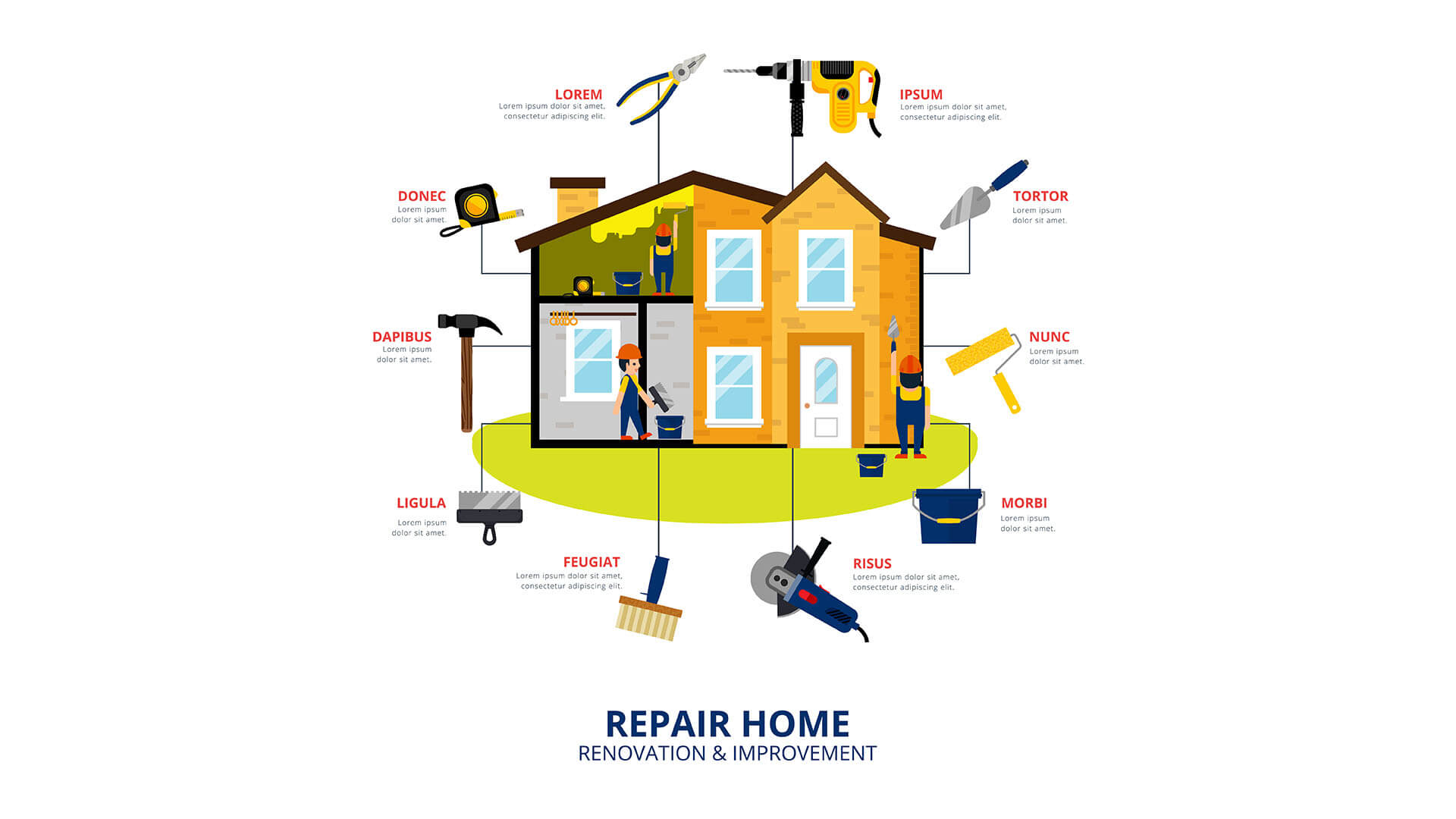
- Adjustable wrench – works on most nuts and bolts without swapping tools.
- Phillips and flathead screwdrivers – a set with varying sizes covers most fixtures.
- Utility knife – handy for trimming drywall tape or opening caulk tubes.
- Stud finder – prevents accidental drilling into hidden wires or pipes.
- Multi‑bit drill – speeds up screw removal and installation.
You don’t need a fully stocked toolbox to start; these five items cover the majority of everyday repairs, from tightening a loose cabinet hinge to replacing a broken light switch.
Quick Fixes for Common Issues
Leaky Faucet
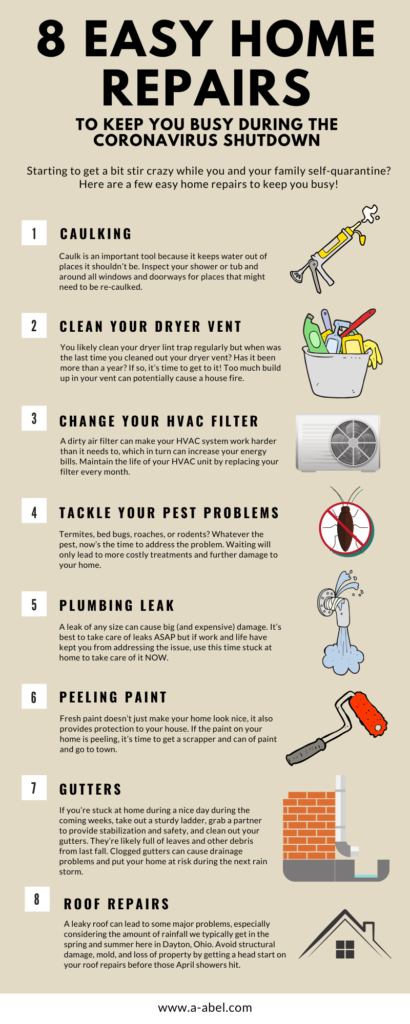
Turn off the water supply under the sink, then disassemble the faucet using the appropriate screwdriver. Most modern cartridges can be swapped out in under ten minutes. Re‑seat the O‑ring with plumber’s grease, reassemble, and test the flow.
Stuck Drawer
Remove the drawer and clean the rails with a vacuum. A thin line of silicone spray can restore smooth movement. If the rails are bent, a small piece of sandpaper can reshape them enough for the drawer to slide freely again.
Cracked Drywall
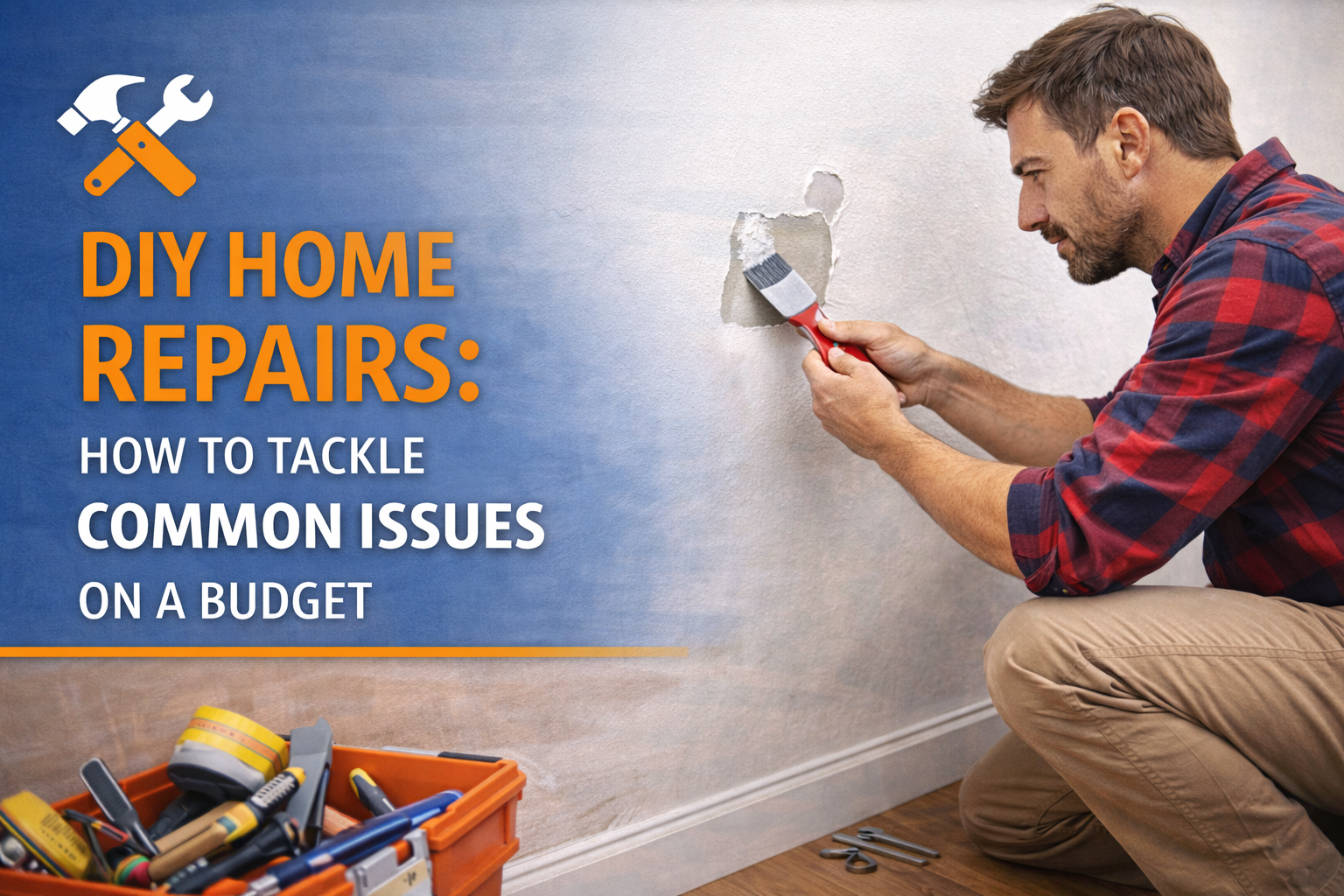
For hairline cracks, apply a thin layer of joint compound with a putty knife, feather the edges, and let it dry. A quick sand and a coat of paint blend it seamlessly with the surrounding wall. Larger holes may need a drywall patch, but even a simple mesh tape and two coats of compound can hold up for years.
When to Call a Professional
While many repairs are within reach, certain tasks carry higher risk or require specialized knowledge. Electrical work beyond a simple switch replacement, major HVAC servicing, or structural alterations (like removing a load‑bearing wall) should be handed to licensed contractors. Not only does this safeguard your home, it protects you from potential liability.
Maintenance Habits That Save Money
Prevention is cheaper than repair. Schedule a quarterly walk‑through to tighten loose handles, clear debris from vents, and check for water stains under sinks. Clean your dishwasher filter monthly to prevent clogs that can cause leaks. A brief 15‑minute inspection each season catches issues before they balloon into emergencies.
Budget‑Friendly Materials and Where to Find Them
Home improvement stores often have generic brands that perform just as well as name‑brand products. For example, a basic silicone caulk sold under a store label typically matches the durability of pricier alternatives. Online marketplaces also offer bulk packs of screws, nails, and anchors at a fraction of the cost of specialty shops.
Safety First: Small Steps That Make a Big Difference
Never underestimate protective gear. A pair of safety glasses shields your eyes from flying debris, while work gloves prevent splinters and cuts. Keep a flashlight handy when you’re working in dimly lit crawl spaces; a well‑lit area reduces the chance of accidental damage to hidden wiring.
FAQ
Q: How often should I replace the washers in my bathroom faucets?
A: Most manufacturers recommend replacing them every 1–2 years, especially in high‑traffic bathrooms. If you notice a steady drip, swap the washer immediately to avoid water waste.
Q: Can I use a regular screwdriver on a Phillips head screw?
A: It’s possible, but you risk stripping the screw head. Keep a set of Phillips bits handy; they’re inexpensive and save you time in the long run.
Q: What’s the safest way to test if a wall outlet is still live?
A: Use a non‑contact voltage tester. It lights up when voltage is present, allowing you to confirm power without touching any wires.
Armed with the right mindset, a few basic tools, and these straightforward strategies, you’ll find that many home repairs are less intimidating than they first appear. Keep this guide bookmarked, and next time a squeak or leak shows up, you’ll already be a step ahead.