Your Guide to Aesthetic Treatments at a Medical Beauty Center
Stepping into a medical beauty center can feel like entering a sleek laboratory where science meets glamour. Whether you’re curious about smoothing fine lines, brightening dull skin, or reshaping stubborn pockets of fat, the right clinic blends clinical safety with artistic precision. This guide walks you through the most common aesthetic options, what to expect during a consultation, and how to pick a provider you can trust.
What Sets a Medical Beauty Center Apart?
Unlike a spa that relies mainly on cosmetics, a medical beauty center operates under the supervision of licensed physicians—often dermatologists, plastic surgeons, or board‑certified aesthetic doctors. That medical oversight means:
- Procedures are performed with FDA‑approved devices or pharmaceuticals.
- Patients receive a clinical assessment, not just a “one‑size‑fits‑all” treatment plan.
- Safety protocols, such as sterile technique and emergency preparedness, are mandatory.
In short, you get the artistic results of a beauty salon backed by the rigor of a clinic.
Core Aesthetic Treatments You’ll Encounter
Injectables: Botox and Dermal Fillers
Botox (onabotulinumtoxinA) temporarily relaxes facial muscles, softening dynamic wrinkles around the eyes and forehead. Dermal fillers—hyaluronic acid, calcium hydroxylapatite, or poly‑L‑lactic acid—add volume to cheeks, lips, or nasolabial folds. The effects typically last three to twelve months, depending on the product.
Laser & Light Therapies
From fractional CO₂ lasers that resurface deep scars to IPL (intense pulsed light) that reduces sunspots, light‑based technologies target pigmentation, vascular lesions, and collagen loss. Most sessions involve a brief cooling period, and downtime ranges from none to a few days.
Chemical Peels
A layered solution of acids (glycolic, trichloroacetic, or salicylic) peels away damaged epidermis, encouraging fresh skin to emerge. Light peels may require no recovery, while medium or deep peels could need a week of gentle care.
Body Contouring
Non‑invasive options like cryolipolysis (cool‑sculpting) freeze fat cells, whereas radiofrequency and high‑intensity focused ultrasound (HIFU) tighten skin by stimulating collagen. Both are popular for stubborn love‑handles or a double chin, with results becoming visible after several weeks.
Microneedling and PRP
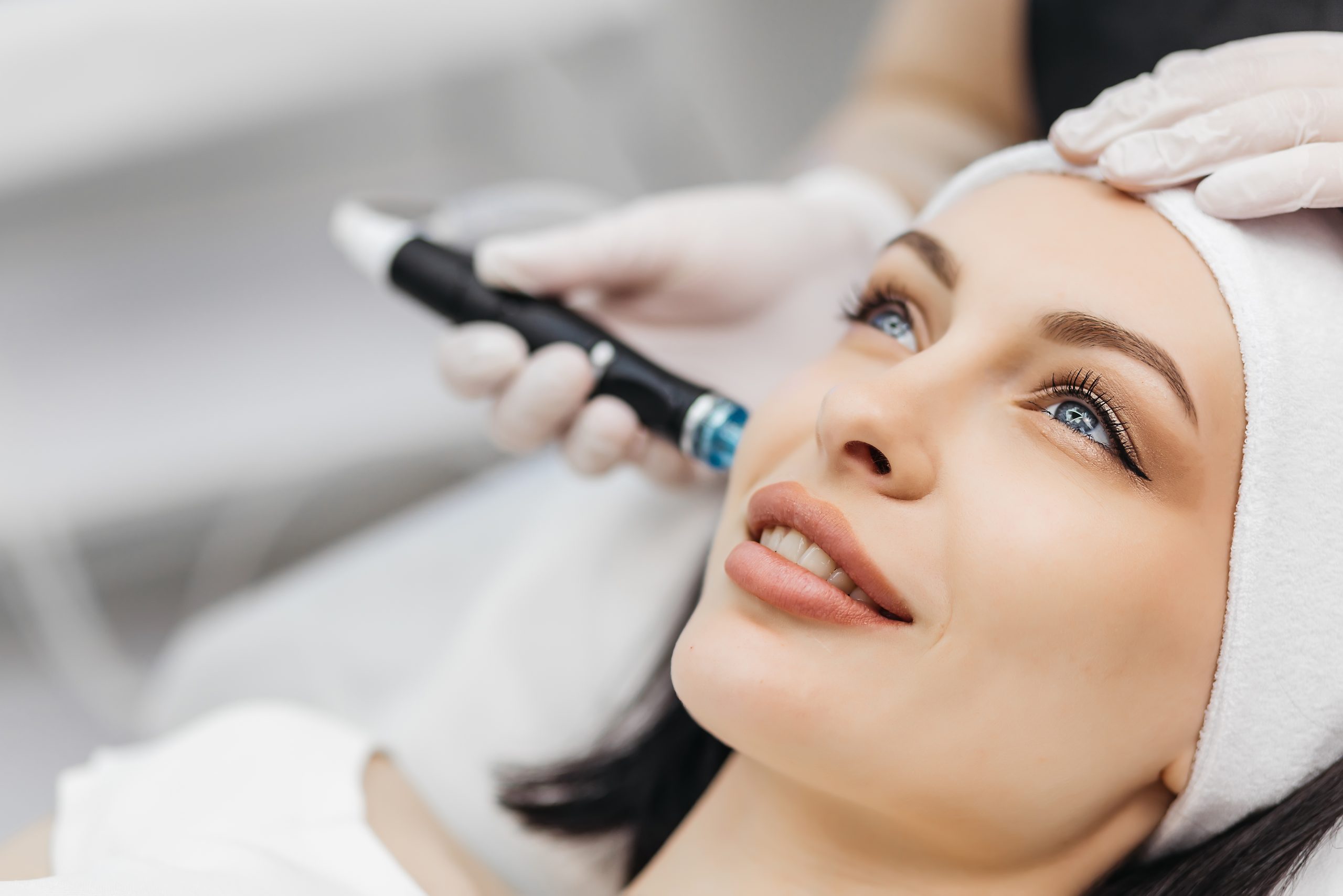
Microneedling creates micro‑injuries that trigger the body’s healing cascade, boosting collagen and elastin. When combined with PRP (platelet‑rich plasma) harvested from your own blood, the treatment can accelerate rejuvenation and improve scar texture.
What to Expect During Your First Visit
A thorough consultation is the cornerstone of any successful aesthetic journey. Here’s a typical flow:
- Medical History Review: The clinician will ask about allergies, medications, and prior procedures.
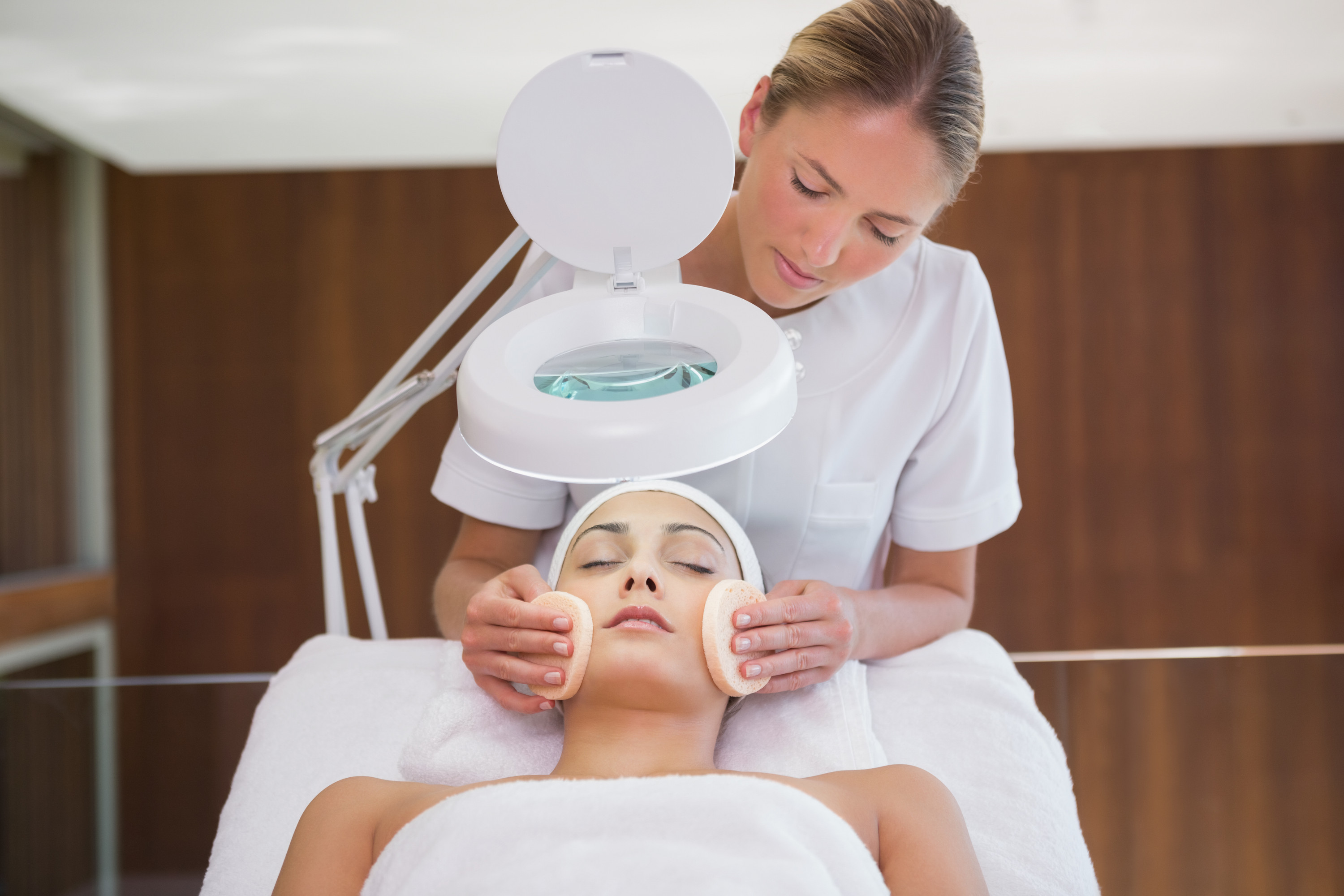
- Skin Assessment: Using magnification and sometimes a digital analysis tool, they gauge elasticity, pigmentation, and vascular patterns.
- Goal Setting: You’ll discuss realistic outcomes, timeline, and budget.
- Treatment Plan: The doctor outlines recommended options, explains risks, and schedules follow‑up appointments.
Transparency is key—any reputable center will let you see before‑and‑after photos of similar cases and provide a written consent form.
Choosing the Right Clinic and Practitioner
Because the field blends medical and aesthetic expertise, a few red flags help you weed out less reputable options:
- Credentials: Look for board certification in dermatology, plastic surgery, or cosmetic medicine.
- Facility Standards: The treatment rooms should be clean, well‑lit, and equipped with emergency equipment.
- Product Transparency: Ask for the brand name and FDA status of any injectable or laser device.
- Patient Reviews: Consistent positive feedback, especially about aftercare, signals a trustworthy practice.
Managing Expectations and Aftercare
No aesthetic procedure rewrites genetics, but many deliver subtle, confidence‑boosting changes. Post‑treatment, you’ll likely be advised to:
- Keep the area clean and avoid harsh sunscreens for at least a week.
- Apply cold compresses to minimize swelling (particularly after injectables).
- Stay hydrated and skip alcohol for 24‑48 hours.
- Schedule a follow‑up to assess results and discuss any needed touch‑ups.
Patience pays off—collagen‑stimulating treatments can take several weeks to fully manifest, while fillers provide immediate visual improvement.
Cost Considerations
Pricing varies widely based on geography, provider experience, and the specific technology used. Generally:
- Injectables: $300–$800 per syringe.
- Laser resurfacing: $200–$1,500 per session.
- Body contouring: $1,500–$4,000 per treatment area.
Many centers offer package deals or financing plans. Always ask whether the quoted price includes follow‑up visits, as hidden fees can creep in.
FAQ
How long does a typical Botox appointment take?
Most practitioners finish the injections in 10–15 minutes, followed by a short observation period to ensure there are no immediate adverse reactions.
Are laser skin resurfacing procedures painful?
Patients usually report a sensation akin to a rubber band snapping against the skin. Topical anesthetic creams or cooling devices are commonly used to keep discomfort minimal.
Can I combine multiple treatments in one session?
Combining procedures—like a filler with a laser peel—is possible, but the timing must be strategic. Your doctor will schedule each step to avoid overlapping healing periods.
Is there any downtime after cryolipolysis?
Most people resume normal activities immediately. Some experience temporary redness, numbness, or mild swelling, which typically resolves within a week.