Ensuring Safety at Sea: Essential Guides for HSE Offshore Inspection
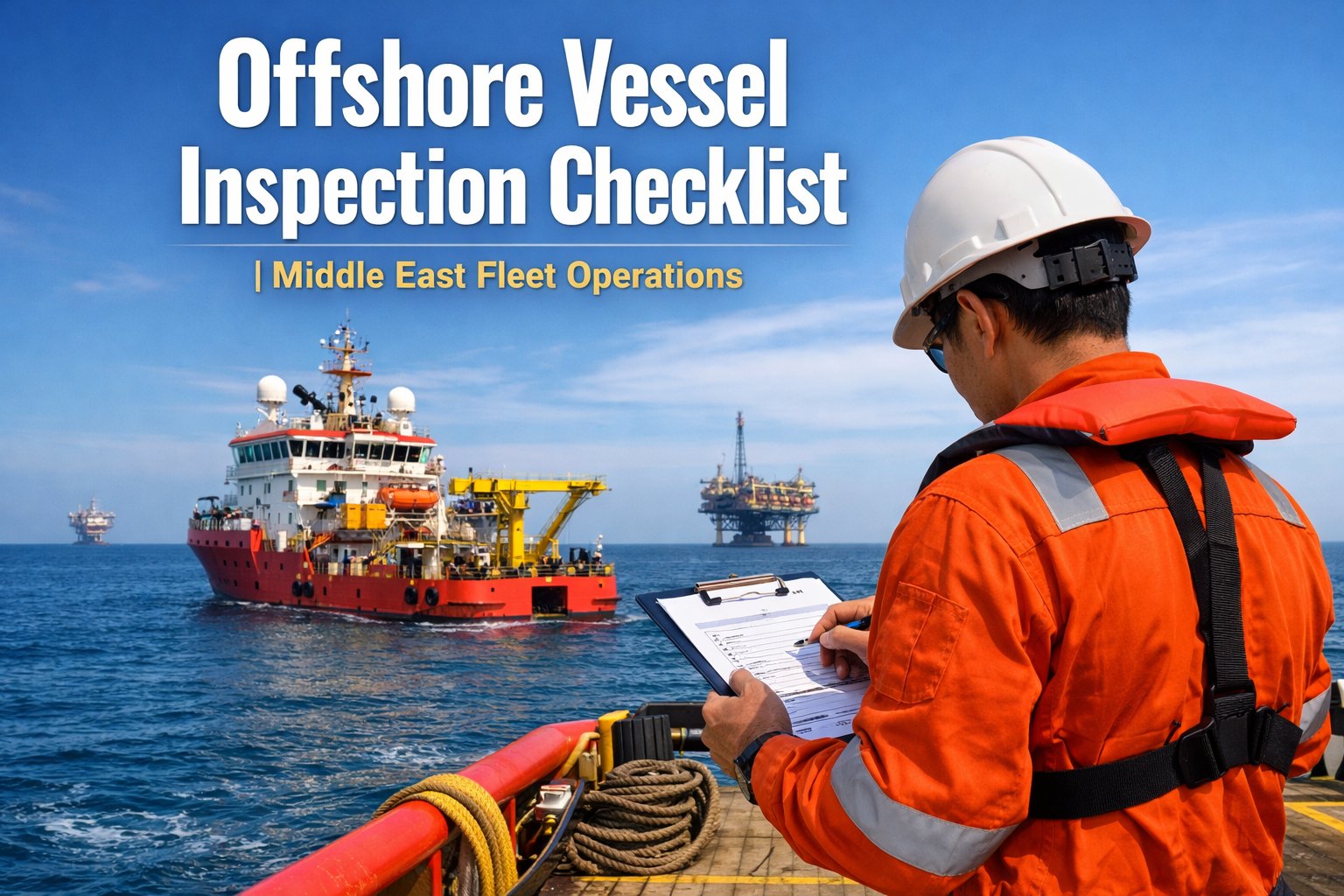
In the offshore sector, where harsh environments meet complex operations, a robust Health, Safety, and Environment (HSE) offshore inspection program is the backbone of a safety‑first culture. By systematically reviewing equipment, procedures, and personnel competence, HSE offshore inspection helps prevent incidents before they happen, protects marine ecosystems, and keeps regulatory bodies satisfied. Below is a practical, step‑by‑step guide that covers everything from planning to follow‑up, so you can run inspections that truly add value.
Why HSE Offshore Inspection Matters
Offshore platforms and vessels operate far from immediate medical support, making any lapse in safety potentially catastrophic. Regular inspections serve three core purposes: they spot hidden hazards, verify compliance with international standards such as IMO and ISO 45001, and provide a documented trail of continuous improvement. When done correctly, inspections not only reduce the likelihood of accidents but also boost operational efficiency by catching equipment wear before costly failures occur.
Building a Solid Inspection Plan
Effective inspections start with a well‑structured plan. Begin by mapping out the facility’s risk profile—high‑pressure pipelines, confined spaces, and heavy lifting zones deserve extra attention. Next, define the inspection frequency: critical systems may need monthly checks, while administrative processes could be reviewed quarterly. Finally, assign clear responsibilities; a mix of internal HSE officers and external auditors often yields the most balanced perspective.
Key Elements to Include
- Scope definition: List all assets, processes, and locations covered.
- Checklists and criteria: Align them with relevant regulations and industry best practices.
- Documentation protocol: Decide how findings, photos, and signatures will be recorded.
- Timeline: Set realistic dates for each inspection phase, from preparation to reporting.
Conducting the On‑Site Inspection
When the day arrives, the inspection team should follow a consistent, risk‑based methodology. Start with a brief safety briefing to remind everyone of site‑specific hazards and personal protective equipment (PPE) requirements. Then move through the checklist, using a combination of visual checks, functional tests, and interviews with crew members. Pay special attention to life‑saving appliances, fire‑suppression systems, and emergency shutdown devices—these are often the first line of defense in an emergency.
Tools That Make a Difference
- Digital inspection software: Real‑time data entry reduces paperwork and speeds up reporting.
- Thermal imaging cameras: Detect hidden leaks or overheating components without dismantling equipment.
- Portable gas detectors: Provide immediate readings for toxic or flammable gases in confined spaces.
Evaluating Personnel Competence
Even the best equipment can fail if operators lack proper training. During the inspection, verify that crew members hold current certifications for tasks such as crane operation, confined‑space entry, and first aid. Review training records and, where possible, observe a short practical demonstration. Gaps in competence should be logged as corrective actions, with clear deadlines for remedial training.
Environmental Safeguards
Offshore activities inevitably interact with the marine environment. Inspectors must assess waste handling procedures, oil‑spill containment measures, and discharge monitoring systems. Look for proper segregation of hazardous waste, functional bilge alarms, and up‑to‑date spill‑response plans. Any deviation from environmental regulations not only risks fines but can also damage the company’s reputation and stakeholder trust.
Documenting Findings and Issuing Reports
A thorough report is the bridge between inspection and improvement. Structure it with an executive summary, detailed findings, risk ratings (e.g., low, medium, high), and recommended corrective actions. Use clear language and include photographs or video clips where they add context. Assign each action to a responsible party and set realistic completion dates. This transparency ensures accountability and makes follow‑up audits straightforward.
Managing Corrective Actions
Finding a problem is only half the battle; fixing it promptly is where real safety gains occur. Implement a corrective‑action tracking system that flags overdue items and sends automated reminders. Conduct a brief verification walk‑through once the action is claimed complete, confirming that the issue has been resolved and that the solution does not introduce new risks.
Leveraging Technology for Continuous Improvement
Beyond the occasional inspection, many operators are adopting predictive maintenance tools that analyze sensor data to forecast equipment failures. Integrating these insights with HSE inspection results creates a holistic safety dashboard, highlighting trends such as recurring corrosion hotspots or frequent PPE non‑compliance. Over time, this data‑driven approach can shift the focus from reactive checks to proactive risk mitigation.
Regulatory Landscape and Industry Standards
Offshore operations are governed by a patchwork of international and local regulations. Key references include the International Maritime Organization’s (IMO) MARPOL conventions, the U.S. Coast Guard’s Subpart M standards, and the European Union’s Offshore Safety Directive. Aligning inspection checklists with these frameworks not only ensures legal compliance but also demonstrates a commitment to best‑in‑class safety practices.
Fostering a Safety Culture
Technical procedures alone cannot guarantee safety; the underlying culture must encourage reporting, learning, and continuous vigilance. Leaders should celebrate near‑miss reporting, provide regular safety briefings, and involve crew members in developing inspection criteria. When employees see that their observations lead to tangible improvements, they become active partners in the HSE mission.
Frequently Asked Questions
- Q: How frequently should a high‑risk offshore platform be inspected?
A: For high‑risk areas such as pressure vessels, fire‑suppression systems, and lifeboat stations, monthly inspections are common, while less critical zones may be reviewed quarterly or semi‑annually.
- Q: Who is qualified to lead an HSE offshore inspection?
A: Inspectors should possess relevant certifications (e.g., NEBOSH, IOSH) and demonstrable experience with offshore environments. A mix of internal HSE specialists and external auditors often provides the most balanced assessment.
- Q: What are the most common findings during offshore inspections?
A: Typical issues include outdated training records, minor leaks in hydraulic lines, non‑functional emergency alarms, and inadequate waste segregation. While many are low‑risk, they can compound if left unaddressed.
- Q: Can digital tools replace traditional paper checklists?
A: Digital platforms streamline data capture, reduce errors, and enable real‑time analytics, but they should complement—not entirely replace—hands‑on verification and crew interviews.