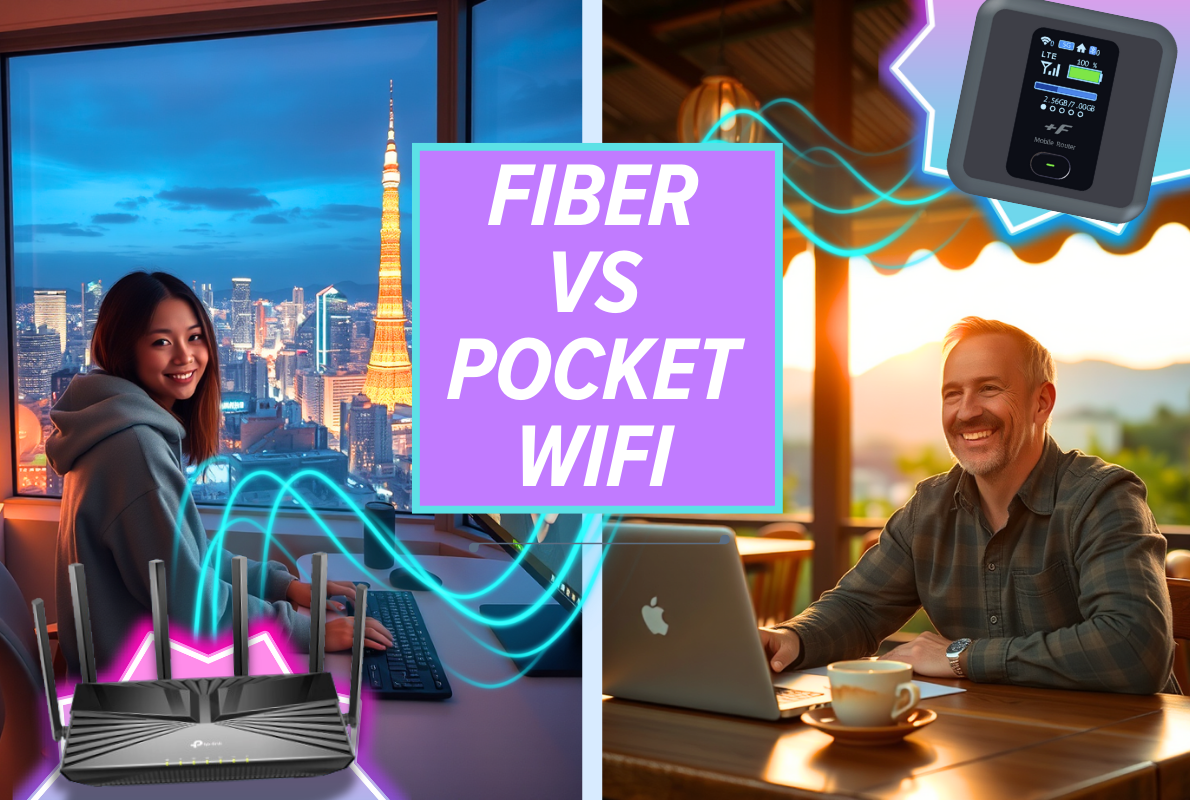
Fiber WiFi vs Regular WiFi: Which Comes Out on Top?
In today’s hyperconnected world, choosing the right type of WiFi can feel like picking the best flavor of ice cream—there’s a lot of options, each with its own perks. When you see the debate between Fiber WiFi vs Regular WiFi, the confusion often stems from a mix of technical jargon and marketing hype. The goal here is simple: break down the differences in everyday language and help you decide which solution fits your needs.
What Exactly Is Fiber WiFi?
Fiber WiFi refers to a wireless network that’s fed by a fiber‑optic connection at the home or business’s edge. The fiber delivers data at the speed of light to a local router, and the WiFi broadcast from that router carries the same high‑performance signal throughout the premises.
Regular WiFi: The Classic Choice
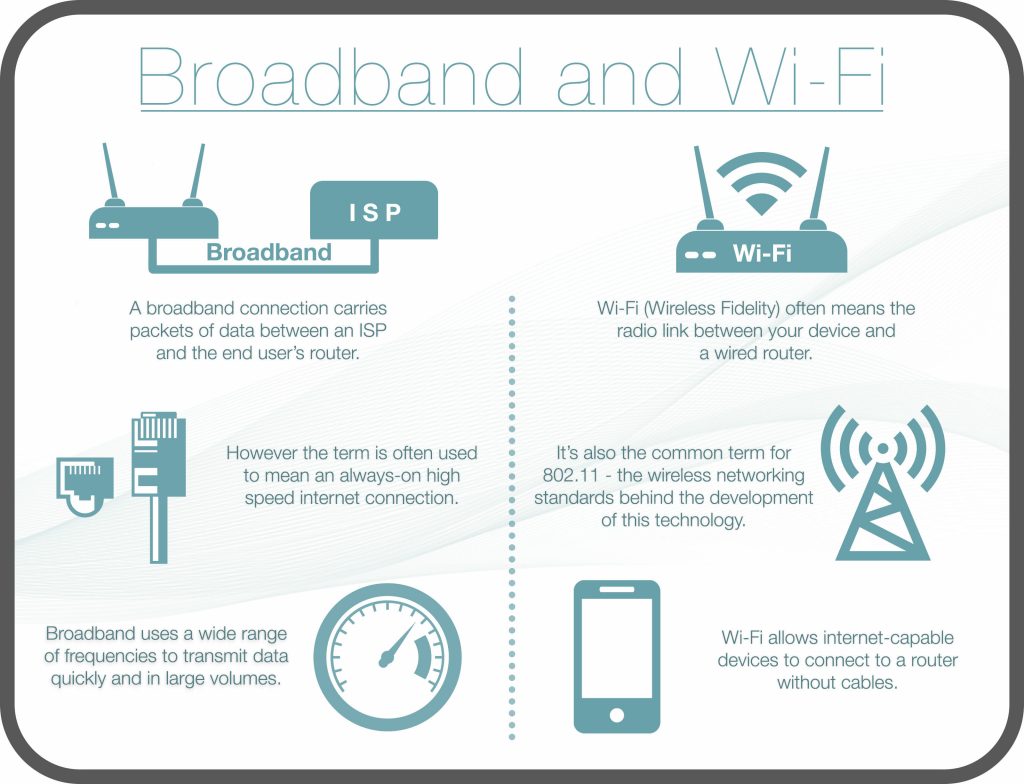
Regular WiFi, or “traditional” WiFi, relies on an Ethernet or coaxial cable to bring the internet from your ISP to the router. That connection is often wired with copper, which can be slower and more susceptible to interference compared to fiber.
Fiber WiFi vs Regular WiFi: Speed Breakdown
- Upstream/Downstream Speeds – Fiber typically offers symmetrical speeds ranging from 100 Mbps to 10 Gbps, whereas regular copper setups rarely exceed 1 Gbps.
- Latency – Fiber’s signal travels faster, keeping ping times low—ideal for gaming, video calls, and real‑time cloud services. Copper’s latency can climb, especially under heavy load.
- Bandwidth Stability – Fiber’s performance remains consistent across distances, whereas copper degrades as the cable length increases.
Reliability Under Pressure
Think of a busy highway. Fiber is a multi‑lane, dedicated expressway; regular WiFi is a two‑lane road that can get congested. In peak hours, fiber’s capacity to handle many users simultaneously keeps the traffic flowing. Copper’s limited bandwidth can lead to throttling and slower speeds during rush periods.
Cost and Installation Considerations
While fiber offers superior performance, it’s not always the most economical choice.
- Installation Fees – Fiber often requires digging and laying new cables, especially in rural areas. Regular WiFi uses existing wiring or can be delivered over cable TV lines, keeping upfront costs lower.
- Monthly Charges – Fiber providers sometimes bundle high speeds into a flat rate, whereas copper plans may charge extra for upgrades beyond a certain threshold.
- Maintenance – Fiber is less prone to interference, reducing the likelihood of service interruptions. Copper is susceptible to lightning damage, weather, and electromagnetic interference.
Scalability: Future‑Proofing Your Network
Businesses looking to scale—adding more devices, users, or bandwidth—find fiber’s modular nature easier to expand. Adding an extra fiber line typically means doubling capacity without upgrading the entire infrastructure.
For home users who might simply add a new smart thermostat or a gaming console, the existing copper line may already meet the demand.
Use Case Matchup
Fiber WiFi:
- Streaming 4K/8K content
- Large file transfers and cloud backups
- High‑definition gaming, VR, and AR experiences
- Remote work with video conferencing and real‑time collaboration
- Smart homes with many connected devices
Regular WiFi:
- Basic browsing and email
- Streaming 1080p or lower resolutions
- Home office with occasional video calls
- IoT devices that don’t demand constant high bandwidth
Who Should Pick Which?
If your budget allows and you crave the smoothest experience possible, Fiber WiFi is the clear winner. Its benefits shine in high‑traffic environments—large families, tech enthusiasts, or small businesses with a digital focus.
If you’re a budget‑conscious household or a small office with moderate internet demands, a regular WiFi setup can provide sufficient performance at a lower cost. Many cable and DSL providers offer competitive speeds that meet everyday needs.
Smart Router Choices Matter Too
Regardless of the underlying connection, the router you choose can amplify or dampen your experience. Dual‑band or tri‑band routers, MU‑MU support, and beamforming can help squeeze more performance out of both fiber and copper networks.
Future Trends: The Rise of Hybrid Approaches
Emerging technologies like 5G and Wi‑Fi 6E are narrowing the performance gap. Some providers now offer hybrid plans that combine fiber backhaul with 5G or fiber‑backed mesh systems, giving users the best of both worlds.
Meanwhile, the push toward fiber‑to‑the‑home (FTTH) continues. In many regions, municipal fiber projects are reducing installation costs, making high‑speed fiber a more accessible option for the average homeowner.
Frequently Asked Questions
- Is fiber WiFi always faster than regular WiFi? Fiber usually offers higher speeds, but the real advantage depends on your plan and how you use the internet.
- Can I upgrade from regular to fiber later? Yes, but it often involves a new installation. Some providers offer upgrade paths that reuse existing cables where possible.
- Does fiber need a special router? A standard high‑performance router will work, but opting for a router that supports Wi‑Fi 6 or 6E can maximize the benefit of a fiber connection.
- Will fiber work in rural areas? Availability varies, but many rural carriers are expanding fiber networks. Check local providers for coverage options.
In the end, the choice boils down to a balance between speed, reliability, and cost. Fiber WiFi offers the pinnacle of performance and future‑readiness, but regular WiFi remains a solid, budget‑friendly choice for many households and small businesses. Evaluate your usage patterns, budget, and future plans—then pick the solution that keeps you connected smoothly today and tomorrow.