Grant of Authority in Delegation: What You Need to Know
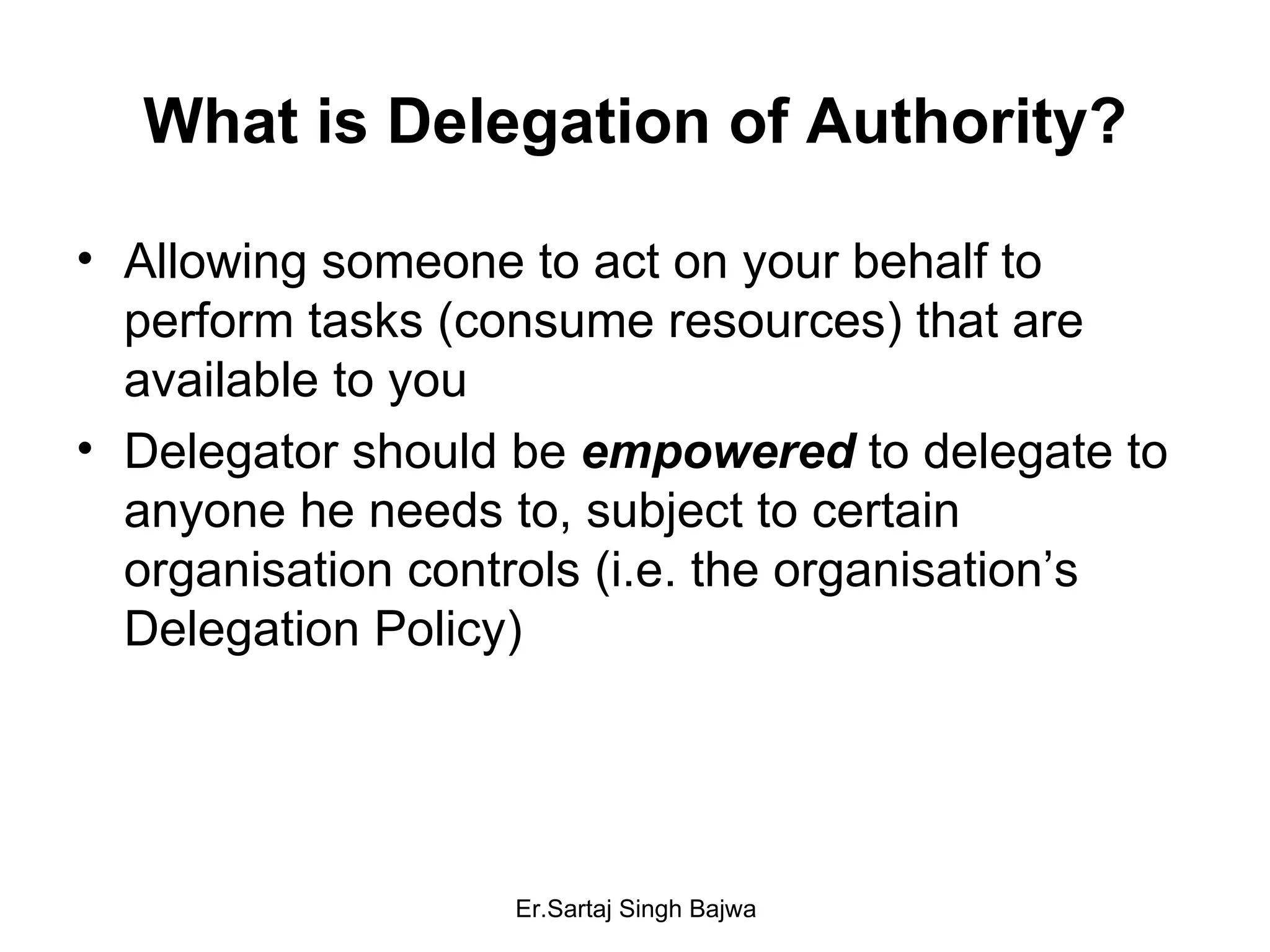
When a manager says, “I trust you to handle this project,” the power shift isn’t just a casual hand‑off. The formal act of transferring decision‑making power is the Grant of Authority in Delegation. It’s the cornerstone of effective leadership, yet many teams misunderstand its scope, limits, and legal implications. Below is a clear guide to help you navigate this essential managerial tool.
What Exactly Is a Grant of Authority in Delegation?
In simple terms, it’s a written or verbal agreement that allows a subordinate to act on behalf of a superior within a defined scope. Think of it as a temporary passport to a specific business area: the holder can approve budgets, sign contracts, or make hiring decisions, but only up to the limits set by the grantor.
Key elements usually include:
- Authority scope – What decisions can be made?
- Time frame – When does the delegation begin and end?
- Reporting requirements – How and when must updates be provided?
- Reversal clause – Conditions under which authority can be rescinded.
Without these details, the delegation can become ambiguous, leading to overreach or underutilization.
Why the Grant Matters for Teams and Organizations
Delegation isn’t just a managerial task; it’s a strategic lever.
- Accelerates decision‑making – Lower‑level employees can act without waiting for upper‑management approval.
- Builds skill sets – Delegated authority exposes staff to real‑world responsibilities.
- Reduces bottlenecks – A single bottleneck can halt entire projects; delegation spreads the load.
- Creates accountability – When authority is clear, outcomes can be traced back to the right person.
However, if the grant is vague, teams may hesitate, fearing unintended consequences or legal liability.
Types of Delegated Authority
Different situations call for different authority levels:
- Operational – Day‑to‑day decisions like scheduling or minor budget tweaks.
- Tactical – Mid‑term actions such as approving supplier contracts.
- Strategic – Long‑term decisions, typically reserved for senior leaders.
Most organizations use a hybrid approach, combining operational and tactical delegations to empower mid‑level managers while preserving strategic oversight.
Common Pitfalls and How to Avoid Them
Even the best intentions can backfire if the grant isn’t carefully crafted.
- Scope creep – Delegated authority gradually expands beyond the original limits.
- Insufficient training – The delegate may not fully understand the responsibilities, leading to mistakes.
- Lack of documentation – Verbal agreements can be lost or misinterpreted.
- Failure to monitor – Without proper reporting, the grantor can’t detect issues early.
Mitigation involves setting clear boundaries, providing targeted training, documenting the agreement in writing, and establishing regular check‑ins.
Legal and Ethical Considerations
Delegation isn’t just a managerial nicety; it carries legal weight. Wrongful claims can arise if a delegate acts beyond the granted authority. Companies often enforce:
- Compliance checks with industry regulations.
- Internal audit trails for signed documents.
- Clear policies that outline consequences for unauthorized actions.
Ethically, leaders must ensure that the delegate’s authority aligns with organizational values and that power isn’t misused.
Implementing a Robust Grant of Authority Process
Here’s a step‑by‑step blueprint you can adapt to your organization:
- Define the objective – What business need does the delegation address?
- Select the delegate – Match skill sets and experience.
- Draft the agreement – Include scope, duration, reporting, and revocation clauses.
- Sign and disseminate – Ensure all stakeholders receive copies.
- Train and onboard – Review responsibilities and provide resources.
- Monitor and review – Schedule periodic performance and compliance checks.
- Revise or terminate – Adjust authority as business needs evolve.
By following these steps, you create a transparent environment where authority is respected and outcomes are measurable.
Real‑World Example: A Mid‑Sized Tech Firm
TechCo, a 250‑employee company, wanted to speed up product launches. The CEO granted the product manager authority to approve prototype budgets up to $50,000 and to sign supplier contracts within that limit. The delegation included weekly status reports and a clause that allowed the CEO to rescind authority if project metrics fell below 80% of targets. Within six months, launch times dropped by 30%, and the product manager reported higher engagement. The clear grant prevented costly overruns and kept the CEO informed.
Lessons Learned
- Clear numerical limits prevented budget blowouts.
- Regular reporting kept leadership in the loop.
- The revocation clause gave the CEO flexibility without micromanaging.
TechCo’s approach demonstrates how a well‑documented grant can be a catalyst for efficiency without compromising oversight.
Frequently Asked Questions
- What if the delegated authority isn’t written down? While informal delegations can work in small teams, they risk misinterpretation. Always document the grant, even in email form, to establish a reference point.
- Can authority be revoked mid‑project? Yes. The revocation clause should specify conditions—such as failure to meet milestones or breaches of policy—under which the grantor can retract authority.
- Is training mandatory before delegation? Ideally, yes. The delegate should understand legal, financial