House vs. Senate: The Core Differences Made Easy
When you hear “Congress,” it’s easy to picture a single, unified body. In reality, the United States legislature splits into two distinct chambers—the House of Representatives and the Senate—each with its own rules, duties, and culture. Understanding the key differences between the House and the Senate helps demystify how laws are crafted and why certain political battles unfold the way they do. Below is a straightforward guide that cuts through the jargon.
House vs. Senate: Key Differences Explained Simply
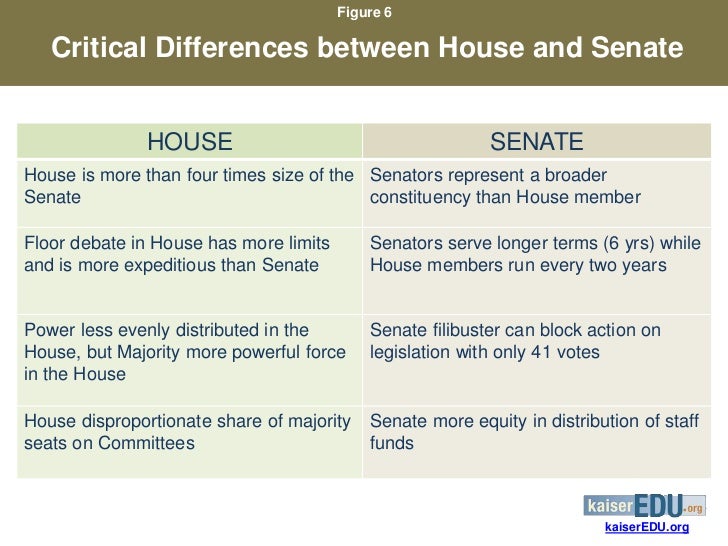
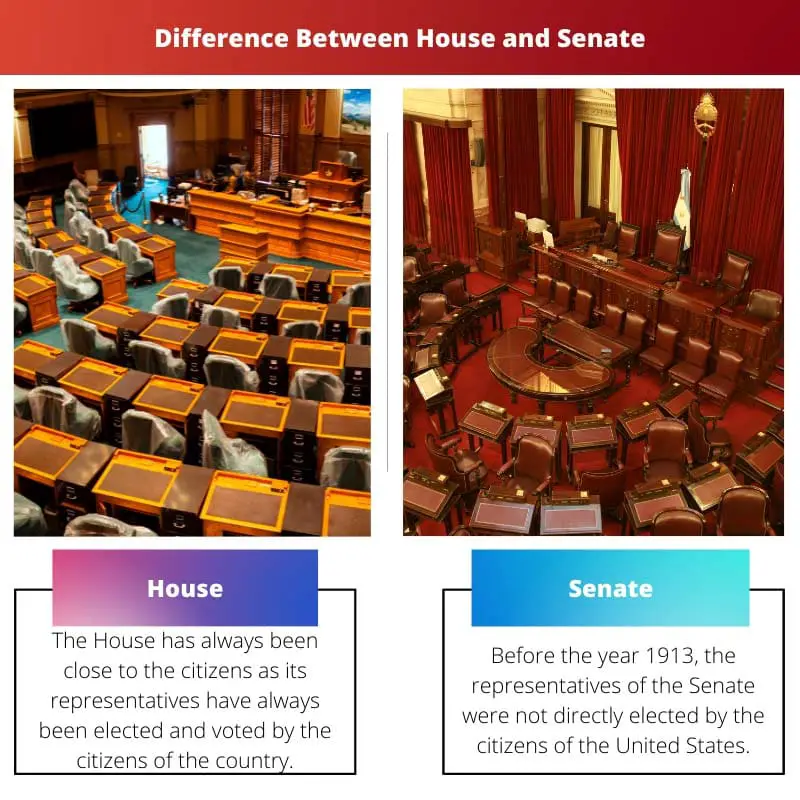
The most obvious contrast lies in size and representation. The House boasts 435 voting members, each representing roughly 750,000 citizens, while the Senate comprises just 100 members—two per state—regardless of population. This disparity shapes everything from debate length to the pace of legislation.
Membership, Terms, and Election Rules
- House: Members serve two‑year terms, with all seats up for election every even‑year. The frequent turnover keeps the chamber closely attuned to current voter sentiment.
- Senate: Senators enjoy six‑year terms, staggered so that roughly one‑third of the body faces election every two years. Longer terms encourage a broader, longer‑range perspective.
- Eligibility: To run for the House, a candidate must be at least 25, a U.S. citizen for seven years, and reside in the state they wish to represent. Senate candidates must be 30, a citizen for nine years, and also reside in their state.
Constitutional Powers That Set Them Apart
Both chambers share many legislative duties, but the Constitution assigns each a few exclusive powers. The House initiates all revenue bills and can impeach federal officials. The Senate, on the other hand, confirms presidential appointments (like Cabinet members and judges) and ratifies treaties with a two‑thirds vote. These unique roles create distinct political leverage.
How Bills Travel Through Congress
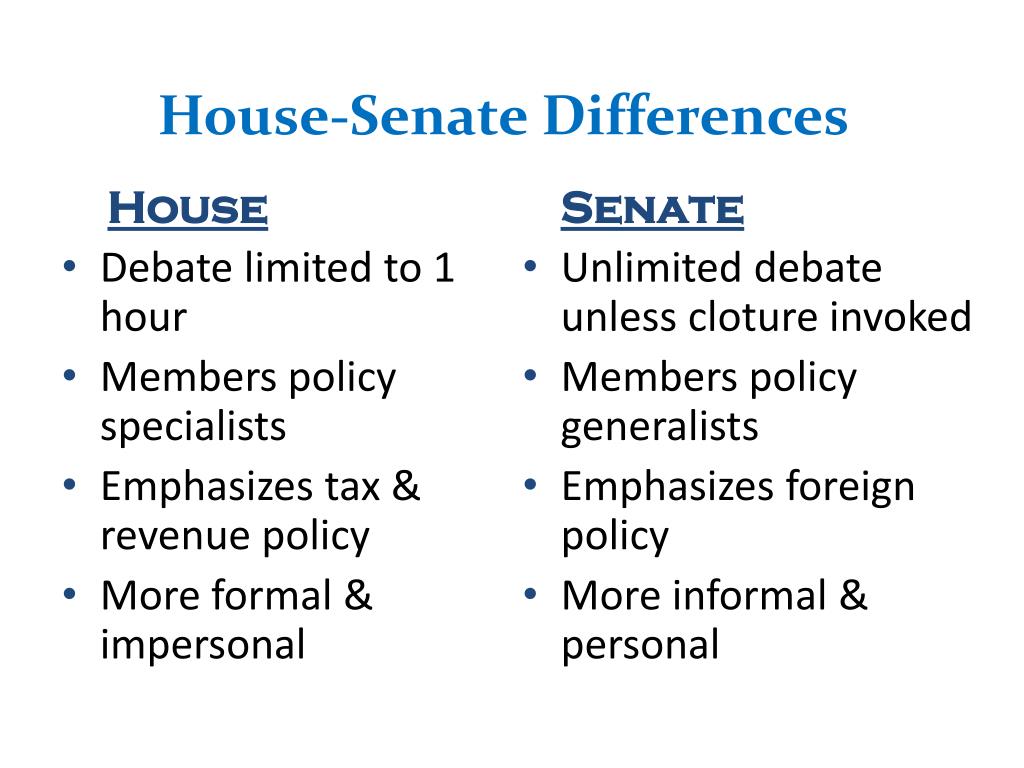
A bill typically starts in the chamber most relevant to its subject. Revenue measures must originate in the House, whereas foreign‑policy‑related proposals often begin in the Senate. After passing one chamber, the bill moves to the other for review, amendment, and approval. If the versions differ, a conference committee—made up of members from both sides—works out a compromise before the final text heads to the president.
Debate Style and Procedural Rules
Time is a luxury the House can’t afford. With so many members, it relies on strict rules, limited debate, and often uses a “gag rule” to curb extended discussion. The Senate, by contrast, values deliberation; its tradition of the filibuster means a single senator can prolong debate unless a supermajority of 60 votes invokes cloture. This procedural freedom can both protect minority opinions and stall legislation.
Constituent Interaction and Accountability
Because representatives serve smaller districts, they tend to be more directly accessible to local voters—think town halls, district offices, and frequent newsletters. Senators, covering entire states, often rely on broader media appearances and statewide outreach. The difference influences how quickly each chamber reacts to public pressure.
Impact on Policy Outcomes
These structural differences affect the type of policies each chamber champions. The House, with its short terms and closer ties to constituents, usually pushes for immediate, tangible legislation—think infrastructure funding or tax adjustments. The Senate, insulated by longer terms, is more inclined toward long‑term, sometimes controversial measures like constitutional amendments or major foreign‑policy decisions.
Why Knowing the Differences Matters
Voters who grasp these nuances can better anticipate how their elected officials will behave. For instance, a House member might be more likely to vote for a quick tax cut to satisfy a midterm electorate, while a senator could resist that same cut if it threatens long‑term fiscal stability. Recognizing where power resides also clarifies lobbying strategies and media narratives.
Frequently Asked Questions
What happens if the House and Senate can’t agree on a bill?
A conference committee reconciles the differences. If the compromise version still fails to secure a majority in either chamber, the bill dies.
Can a senator serve as Speaker of the House?
No. The Constitution designates the Speaker as a member of the House, elected by its members. Senators have their own leadership titles, such as Majority or Minority Leader.
Why does the Senate have the filibuster but the House does not?
The filibuster reflects the Senate’s original role as a deliberative body representing state interests, whereas the House was designed for rapid, population‑based decision‑making. Over time, the filibuster became entrenched in Senate rules, while the House adopted stricter time limits.
Do both chambers vote on the same budget?
Yes, the federal budget must be passed by both the House and the Senate. The process often begins in the House, but the Senate can amend, delay, or even replace the proposal, leading to intense negotiations.