How Canada Can Benefit from PSEI Sound Masking Systems
When open‑plan offices, libraries, or medical facilities in Canada struggle with background chatter, the PSEI Sound Masking System in Canada offers a subtle, science‑backed remedy. Rather than trying to eliminate noise altogether, it adds a carefully calibrated “ambient” sound that makes conversations less intelligible, boosting privacy and concentration without the need for costly renovations.
Understanding the PSEI Sound Masking System in Canada
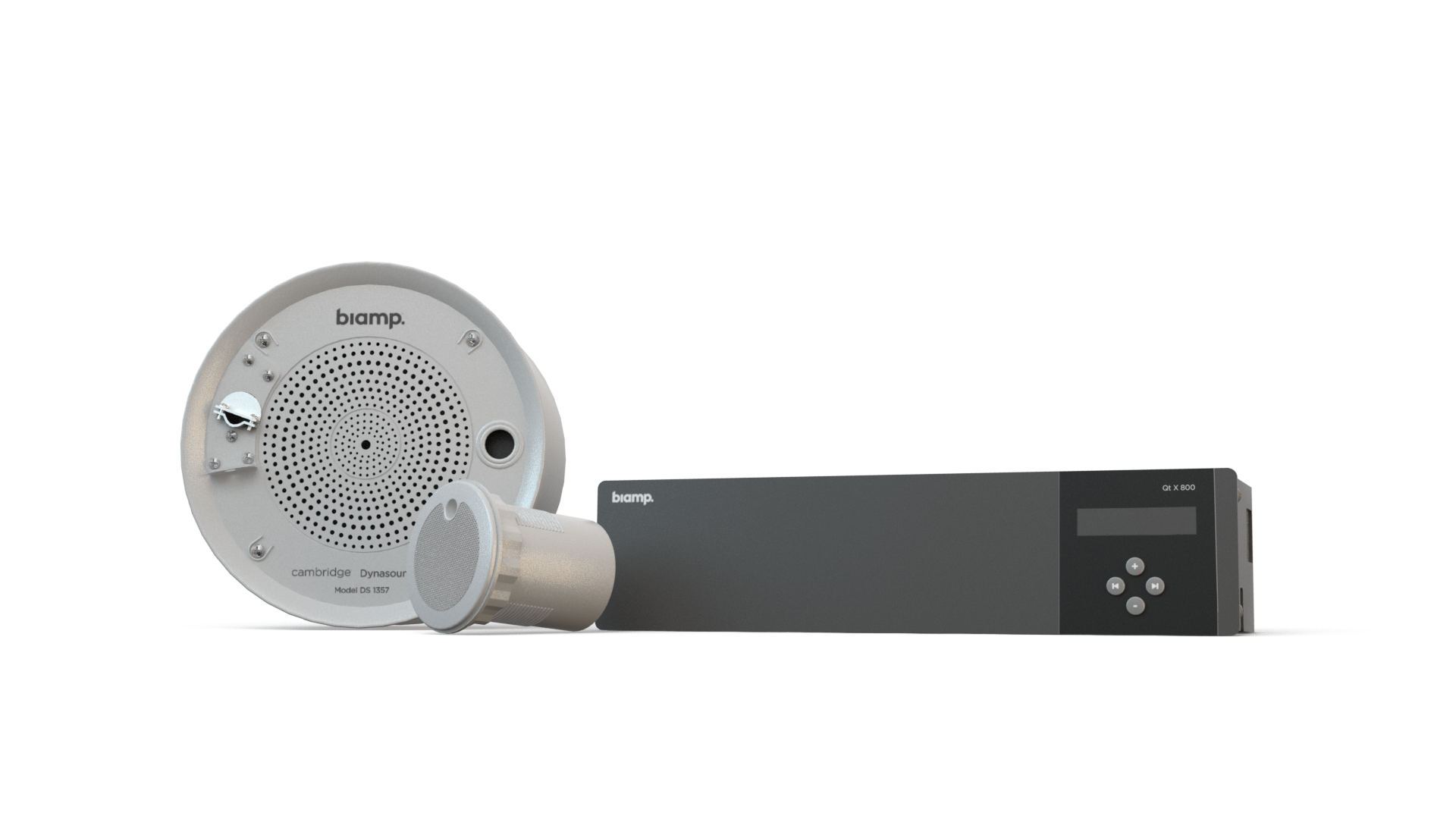
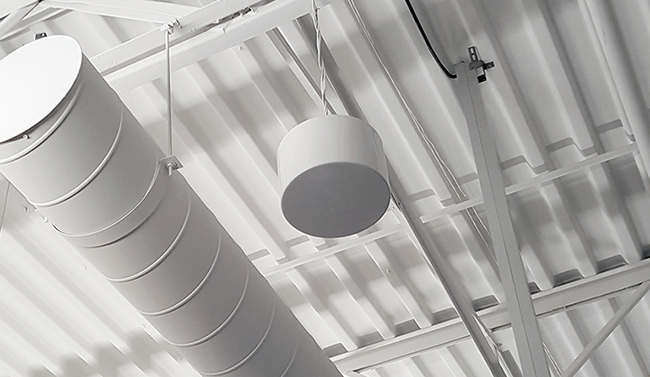
PSEI (Professional Sound Environment Innovations) designs hardware that emits a low‑level, broadband noise—usually resembling a gentle waterfall or soft airflow. The sound is distributed through ceiling‑mounted speakers, creating a uniform acoustic field across a room. Because the masking noise sits just above the human hearing threshold, it blends into the environment, making speech “mask” rather than “overpower” the background.
Why Sound Masking Matters for Canadian Workspaces
- Productivity boost: Studies consistently show that reduced speech intelligibility can raise focus, especially in environments where people are seated close together.
- Privacy compliance: Healthcare and legal offices often need to meet provincial privacy standards; masking helps meet those expectations without installing costly walls.
- Climate‑friendly: Unlike HVAC upgrades, a sound masking system draws minimal power—an advantage in regions with high electricity rates like Ontario and British Columbia.
Key Features of PSEI’s Offering
PSEI tailors its solutions to the unique acoustical challenges of Canadian buildings. Some standout features include:
- Auto‑calibration tools that measure existing reverberation and adjust output levels accordingly.
- Temperature‑resistant speakers, suitable for both heated office towers and colder, unheated spaces common in northern provinces.
- Integration with building management systems, allowing facility managers to schedule masking levels based on occupancy patterns.
Installation Considerations Across Canada
Every province has its own building codes and acoustic guidelines, so a one‑size‑fits‑all approach rarely works. Here’s what to keep in mind:
- Ceiling type: Acoustic tiles in Toronto’s high‑rise offices differ from exposed beams in Calgary’s co‑working hubs. PSEI offers flexible mounting kits for both scenarios.
- Climate zones: In the Prairies, thermal expansion can affect speaker housings. Selecting units with built‑in weather sealing prevents performance drift.
- Local regulations: Quebec’s language laws require any audible system to include French signage for user controls. PSEI’s software supports multilingual interfaces out of the box.
Maintenance and Ongoing Support
Because the system runs continuously at low volume, wear is minimal. Most Canadian installers recommend a yearly visual inspection and a software check to confirm that SPL (sound pressure level) targets remain within the 42–48 dB(A) range recommended for office environments. PSEI’s Canada‑wide service network typically handles these checks within 48 hours of a service request.
Cost Factors and Return on Investment
Initial expenses vary based on room size, ceiling height, and the need for custom acoustic treatment. Roughly, a mid‑size office (around 5,000 ft²) may see a capital outlay between CAD 15,000 and CAD 25,000. However, many businesses report a noticeable reduction in employee turnover and a dip in noise‑related complaints within the first six months—benefits that can offset the upfront cost within a couple of years.
Choosing the Right Provider in Canada
Not all installers are created equal. Look for companies that:
- Hold certifications from the International Institute of Acoustics (IIA) or equivalent Canadian bodies.
- Offer a post‑installation performance guarantee, ensuring SPL stays within the design parameters.
- Provide local case studies, especially from climates similar to yours.
Frequently Asked Questions
Is a sound masking system audible to employees?
When properly calibrated, the masking noise sits just above the threshold of hearing—typically around 42 dB(A). Most people perceive it as a gentle “hush” rather than a distinct sound.
Can the system be adjusted for different times of day?
Yes. PSEI’s control software lets facility managers schedule lower levels for early mornings or after‑hours, and raise them during peak occupancy.
Does sound masking interfere with emergency alarms?
Modern PSEI units include built‑in alarm detection that automatically mutes masking audio when fire or security alarms are triggered, ensuring compliance with Canadian safety standards.
Are there tax incentives for installing acoustic solutions?
Some provinces, such as Alberta, offer rebates for energy‑efficient building upgrades, and sound masking can qualify if it’s bundled with HVAC or lighting improvements. Consulting a local tax advisor is advisable.





:quality(30):format(webp):focal(0.5x0.5:0.5x0.5)/tribunnews/foto/bank/originals/Tanggal-24-Desember-2024-memperingati-hari-apa-3er23e1.jpg)