How CCTV Footage Is Becoming a Powerful Source of Evidence in News
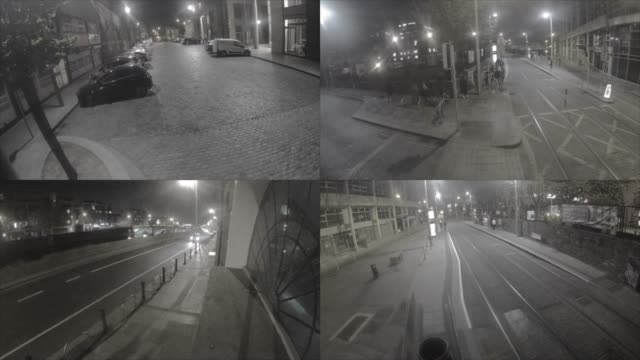
In the age of ubiquitous cameras, evidence from CCTV footage is reshaping how journalists uncover stories and hold institutions accountable. From traffic collisions to protests, the silent recording on street corners can prove motives, actions, and outcomes in a way that eyewitness testimony alone often cannot. Yet, turning raw video into credible evidence involves legal hurdles, ethical considerations, and technical know‑how that many reporters now navigate daily.
The Rise of Public Surveillance
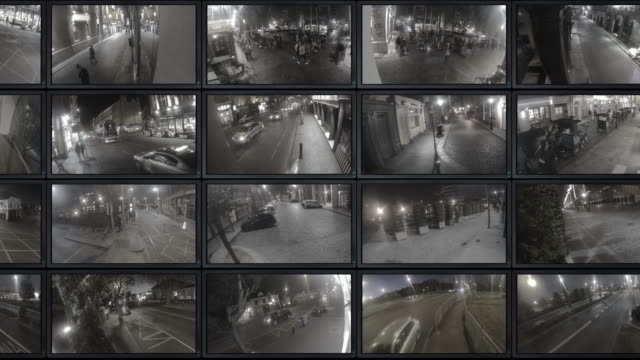
Urban centers across the globe now sport thousands of CCTV cameras—each capturing a slice of everyday life. In London, more than 30,000 cameras serve policing purposes, while Singapore’s network of 80,000 cameras focuses on safety and traffic management. The sheer volume of footage creates a living archive that can be mined for events ranging from petty theft to large‑scale civil unrest.
Why CCTV Footage Matters
Traditional investigative methods—interviews, document requests, and physical evidence—have limitations. Video records are time‑stamped, provide continuous context, and often capture events in full detail. For example, footage from a downtown intersection can show the exact speed of a vehicle, the presence of a police officer, and the trajectory of a protester's march—all in one frame. When these details are corroborated with other sources, they strengthen a narrative that can withstand scrutiny from both the public and legal authorities.
Key Advantages
- Objectivity—Video shows what happened, not what people claim.
- Chronology—Time stamps create an accurate timeline.
- Spatial context—Shows surrounding conditions and actors.
- Public accountability—Makes it harder for parties to deny wrongdoing.
Legal Standards for Using Footage
Accessing and publishing CCTV footage is not a free-for‑all process. In many jurisdictions, the footage is considered a public record, but its release can be governed by privacy laws and data protection regulations.
Common Legal Paths
- Freedom of Information Requests—Many governments require agencies to provide footage upon request, often after a review to remove personal identifiers.
- Court Orders—In criminal investigations, prosecutors can compel agencies to release footage as evidence.
- Private Ownership—Some cameras are owned by businesses; their footage may be subject to corporate policies and contractual agreements.
Journalists must vet the provenance of footage and verify that no tampering occurred. Digital fingerprints, such as hash values, can confirm integrity before publication.
The Role of Journalists
Once footage is secured, reporters must contextualize it. A single clip can be sensational, but without background it risks misinterpretation. Good practice includes:
- Cross‑reference—Match footage with other evidence: police reports, eyewitness accounts, and social media posts.
- Expert commentary—Consult traffic analysts, security specialists, or civil rights lawyers to explain implications.
- Transparent sourcing—Publish how and where the footage was obtained, respecting any legal restrictions.
Storytelling becomes a blend of visual proof and narrative analysis, ensuring audiences grasp both the “what” and the “why.”
Case Studies
1. The 2017 London Bridge Incident—Video captured a suspect’s rapid escape from a traffic jam, leading to a swift arrest and a broader review of surveillance coverage on the bridge. The footage was released under an FOI request, and the police used it to improve future traffic management protocols.
2. The 2021 Seattle Protest Footage—Multiple cameras recorded the transition from peaceful demonstration to violent confrontation. The footage, released by city officials, helped courts determine liability and prompted changes in crowd‑control training.
3. The 2020 Delhi Footprint—A private security camera’s clip of a shopkeeper’s alleged shoplifting incident prompted a legal debate over privacy versus public interest. The case ultimately highlighted the need for clearer guidelines on private vs. public footage.
Challenges & Ethics
While CCTV footage can be a powerful tool, it raises concerns:
- Privacy infringement—Individuals may be recorded without consent, especially in private spaces.
- Data security—Footage is a target for hackers; improper handling can lead to leaks.
- Selective framing—Editors might choose only the most dramatic shots, skewing public perception.
Responsible journalism requires balancing the public’s right to know with respect for personal privacy. Ethical guidelines recommend de‑identifying minors, blurring faces when non‑critical, and obtaining clearances from authorities before publishing sensitive content.
Tips for Accessing Footage
- Start with an FOI request, providing a clear statement of purpose.
- Identify the camera owner—public agencies, businesses, or municipal entities.
- Use technical tools to verify timestamps and check for edits.
- Collaborate with a forensic video analyst to confirm authenticity.
- Keep a detailed audit trail—document every step from request to publication.
Frequently Asked Questions
How can I legally obtain CCTV footage for a story?
Most public‑sector cameras are subject to Freedom of Information laws. File a formal request, specify the time frame and event, and wait for the agency’s response. If the footage is privately owned, you may need a court order or permission from the owner.
What if the footage has been edited or corrupted?
Always compare the file’s metadata with the original timestamps and, if possible, consult a forensic video analyst. Edited footage can mislead; verifying integrity protects both the journalist’s credibility and the public’s trust.
Are there privacy risks when publishing CCTV footage?
Yes. Even if the footage is publicly sourced, it may capture private individuals. Journalists should blur faces or use audio masking unless the subject is a public figure or the content is