How Dutch Colonization Shaped Indonesia: A Historical Overview
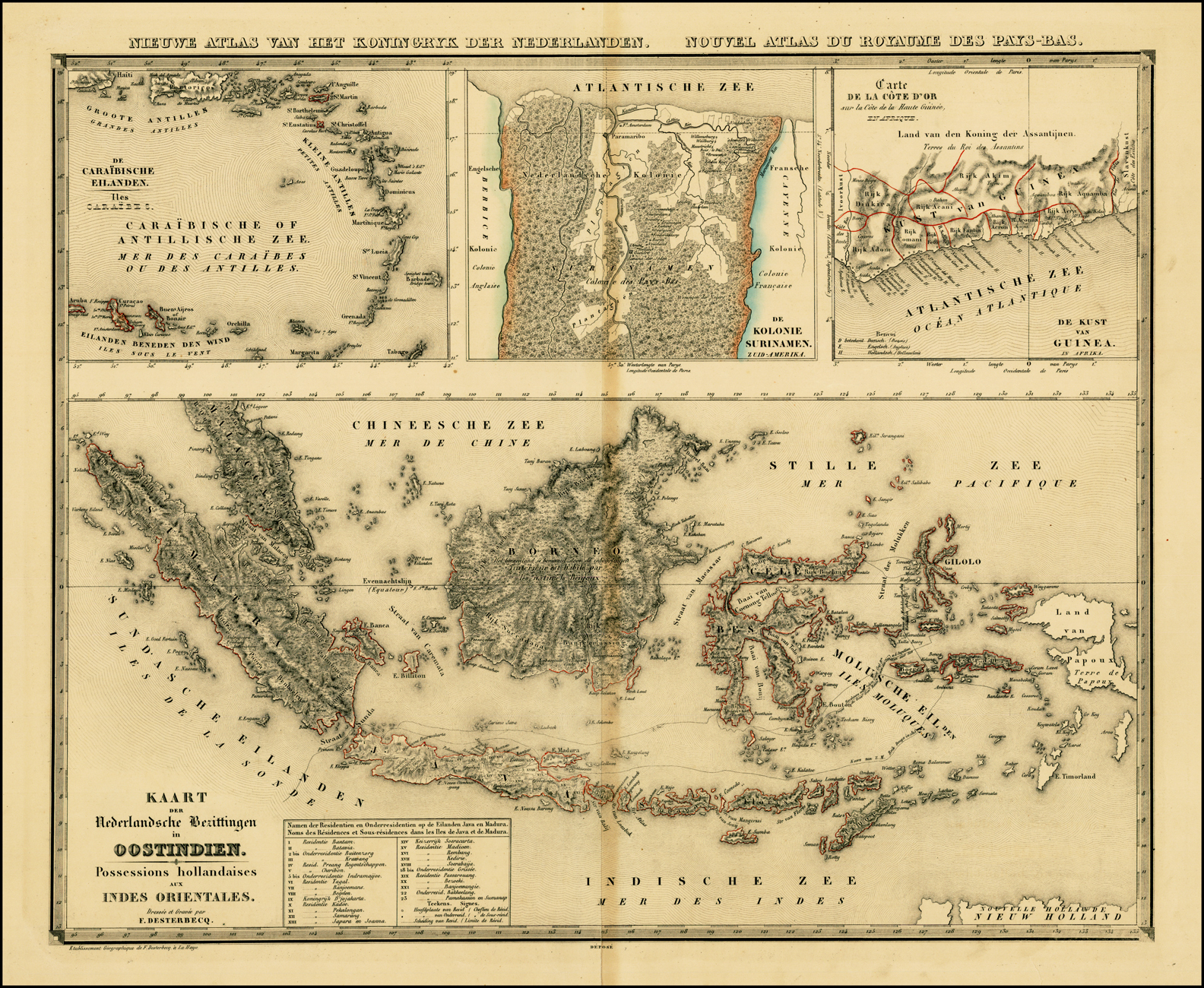
The story of the Dutch colonization of Indonesia reads like a long, tangled sea voyage—full of trade winds, rival powers, and shifting alliances. From a handful of trading posts in the early 1600s to a sprawling empire that lasted until the mid‑20th century, the Dutch presence left an indelible mark on the archipelago’s politics, economy, and culture. Understanding this history helps explain many of the challenges and opportunities modern Indonesia faces today.
Dutch Colonization of Indonesia: Key Phases
While the Netherlands never claimed the entire region outright at first, its influence grew through three distinct stages. The earliest phase (1602‑1799) saw the Dutch East India Company, or VOC, transform from a commercial venture into a quasi‑governmental authority. A second, more formal period began after the VOC’s bankruptcy, when the Dutch Crown took direct control in 1800. The final chapter, the struggle for independence, culminated in 1949 after years of conflict and negotiation.
1. The VOC Era – Trade to Territorial Power
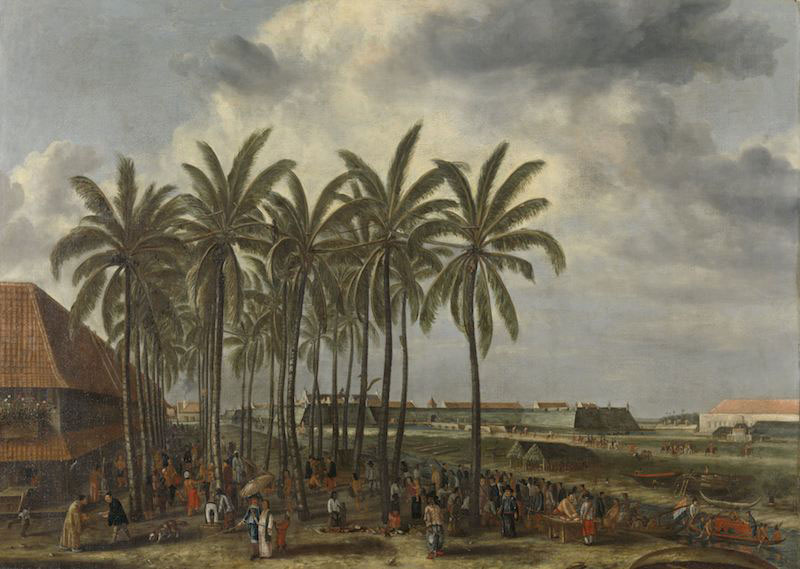
Established in 1602, the VOC was granted a monopoly on Dutch spice trade by the States General. Its first foothold came on the island of Java, where the company set up a warehouse in Batavia (modern Jakarta) in 1619. From that base, the VOC employed a mix of diplomacy, marriage alliances, and outright force to secure spice-producing territories, especially in the Moluccas and the Banda Islands.
- Military might: The VOC maintained a private army and navy, enabling it to crush local resistance and rival European powers.
- Monopoly enforcement: By controlling ports and imposing high taxes, the company dictated prices for cloves, nutmeg, and pepper.
- Administrative experiments: Early Dutch rule introduced written contracts and tax registers—precursors to later colonial bureaucracy.
These tactics turned a trading corporation into a de‑facto colonial regime, laying the groundwork for centuries of Dutch governance.
2. From Company to Crown – The 19th‑Century Consolidation
When the VOC collapsed under debt in 1799, the Dutch government inherited its assets and liabilities. The Napoleonic Wars briefly interrupted Dutch control, as the British seized several key ports in 1811. However, the 1814 Anglo‑Dutch Treaty restored most of the territories to the Netherlands.
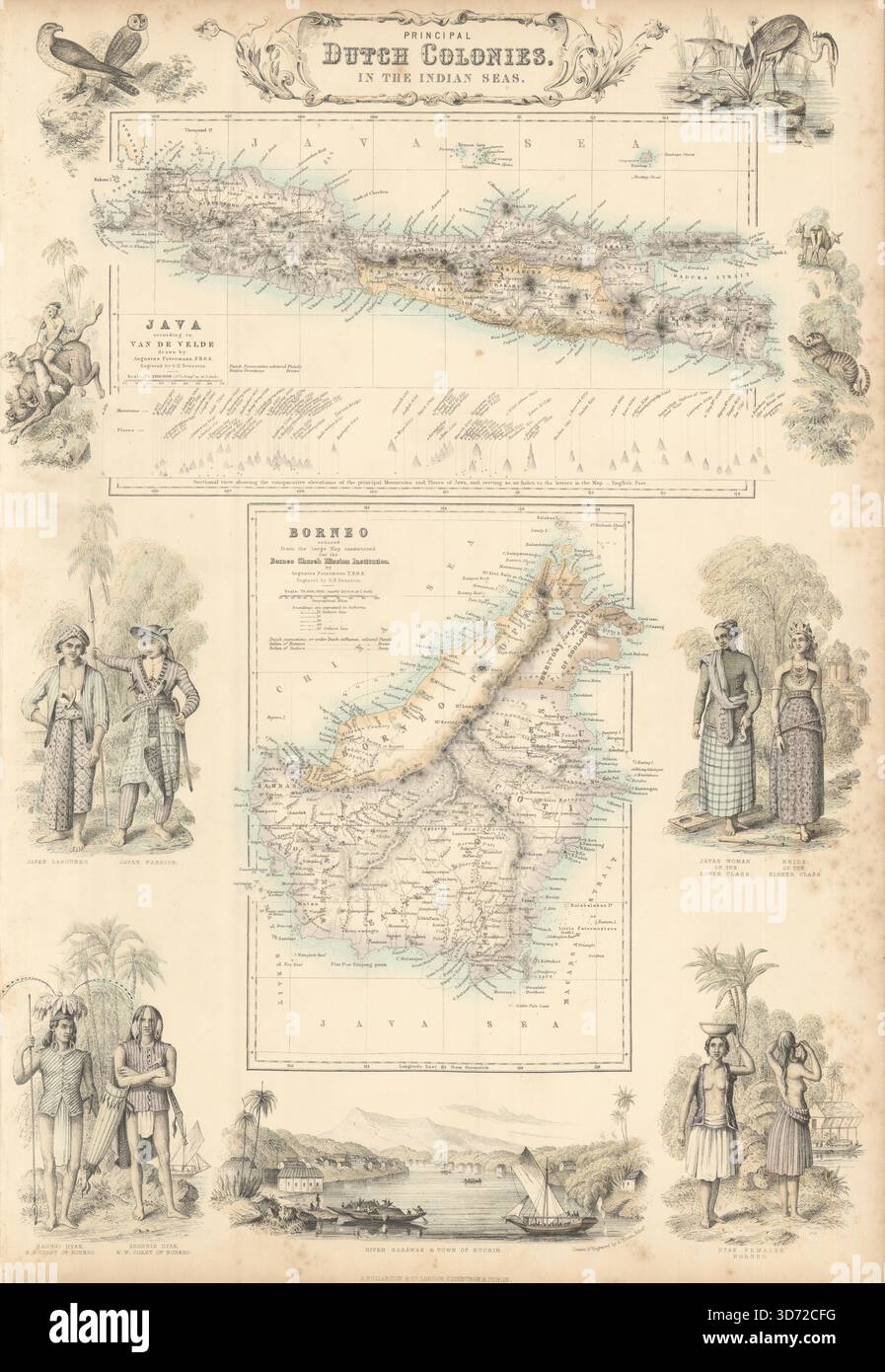
In the following decades, the Dutch embarked on a systematic “pacification” of the archipelago. They introduced the Cultivation System (Cultuurstelsel) in 1830, compelling peasants to grow export crops like coffee and sugarcane on a portion of their land. Though profitable for the metropole, the policy caused widespread hardship and occasional uprisings, such as the Java War (1825‑1830) led by Prince Diponegoro.
3. The Road to Independence – Nationalism and Conflict
World War II shattered the colonial order. Japanese occupation (1942‑1945) briefly displaced Dutch authority and inadvertently sparked nationalist sentiment. After Japan’s surrender, the Dutch attempted to re‑assert control, but the newly proclaimed Republic of Indonesia, declared by Sukarno and Hatta in 1945, resisted fiercely.
International pressure, especially from the United Nations, and a costly armed struggle forced the Netherlands to negotiate. The Round Table Conference in 1949 finally transferred sovereignty, marking the end of Dutch colonization after more than three centuries of intermittent rule.
Economic and Social Legacies
Colonial policies reshaped Indonesia’s landscape in ways that are still evident. The introduction of cash‑crop agriculture created export‑oriented regions, while the railway network built by the Dutch linked remote interiors to coastal ports. However, these developments often benefited the metropole more than local populations, reinforcing a pattern of resource extraction.
Socially, the Dutch introduced a Western education system that produced a small elite—many of whom later became leaders of the independence movement. The legal framework, including the civil code and land tenure concepts, persisted after 1949, influencing Indonesia’s modern judiciary and property rights.
Cultural Imprints and Contemporary Reflections
Architecturally, Dutch colonial towns such as Bandung, Surabaya, and Semarang retain neoclassical buildings, canals, and cobblestone streets that attract tourists today. Linguistically, the Indonesian language (Bahasa Indonesia) absorbed Dutch loanwords for legal, administrative, and technical terms—words like “kantor” (office) and “sepatu” (shoe) are everyday reminders of that era.
Modern Indonesia grapples with this mixed heritage. While many celebrate the preserved colonial architecture as part of a shared history, others view it as a symbol of exploitation. The dialogue continues in museums, academic circles, and public debates, reflecting a nation still reconciling its past with its aspirations.
Frequently Asked Questions
- What motivated the Dutch to colonize Indonesia? The primary driver was the lucrative spice trade. Control over cloves, nutmeg, and pepper promised massive profits, and the VOC’s charter gave it broad powers to secure those commodities.
- When did the Dutch East India Company lose its authority? The VOC declared bankruptcy in 1799. Its assets were nationalized, and the Dutch Crown took over direct administration of the former company territories.
- How did the Cultivation System affect Indonesian peasants? The system forced farmers to allocate a portion of their land to export crops, often at the expense of food production. This led to periodic famines and fueled resentment against colonial rule.
- Why did the Dutch finally concede Indonesian independence? Prolonged armed resistance, mounting international condemnation, and the economic strain of maintaining a distant colony after World II made continued occupation untenable, prompting the 1949 transfer of sovereignty.