How Click‑And‑Collect Works: The Modern Shopping Shortcut
When you browse a retailer’s website, add a few items to your cart, and then swing by the nearest store to pick them up, you’re using click‑and‑collect. The service blends the convenience of online shopping with the immediacy of in‑store pickup, sidestepping delivery fees and waiting periods. As more shoppers look for fast, low‑cost ways to get what they need, click‑and‑collect has become a staple of the retail landscape.
What Click‑And‑Collect Actually Means
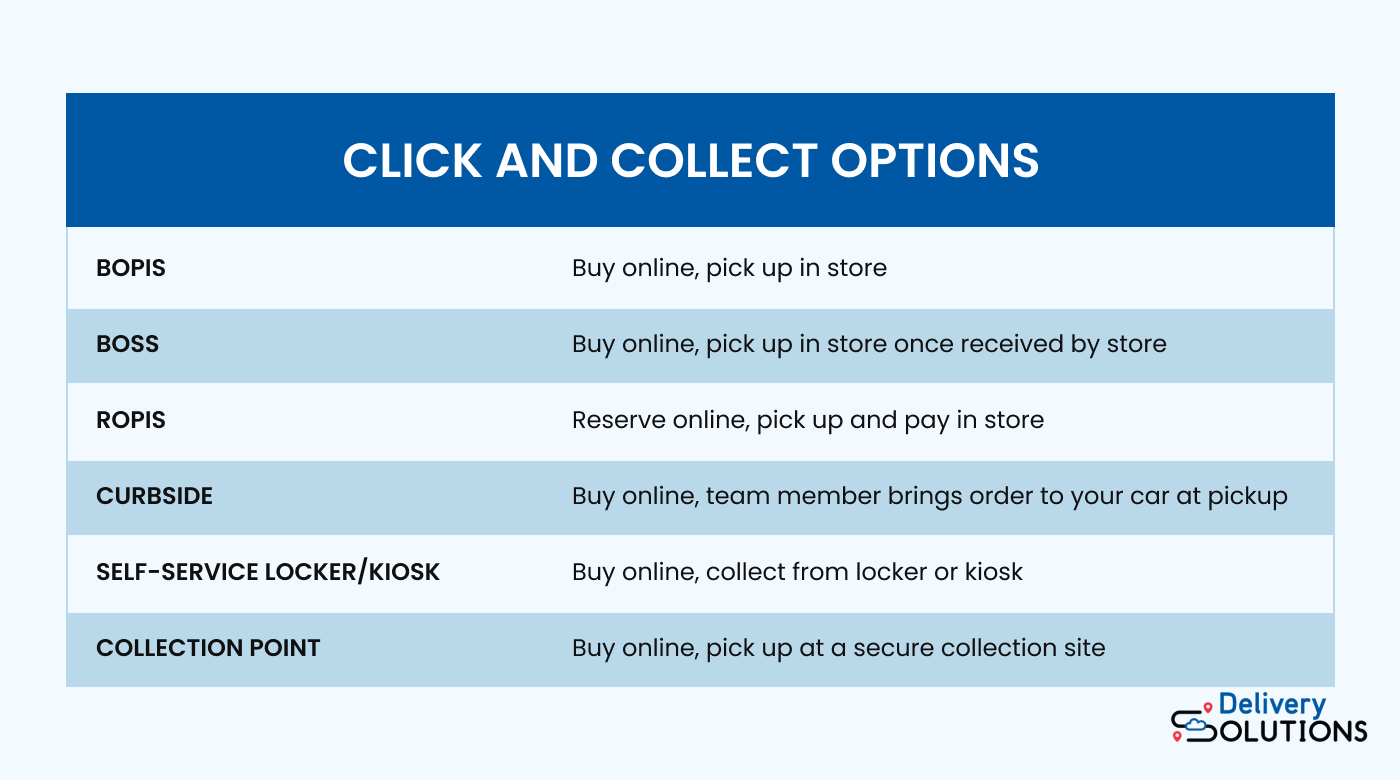
At its core, click‑and‑collect lets customers place an order online and choose a physical location where the merchandise will be held for pickup. The retailer prepares the items, typically within a few hours, and notifies the buyer when the order is ready. From the shopper’s perspective, the process feels like a hybrid between e‑commerce and a traditional store visit.
Why Shoppers Choose Click‑And‑Collect
There are several practical reasons why this model has taken off:
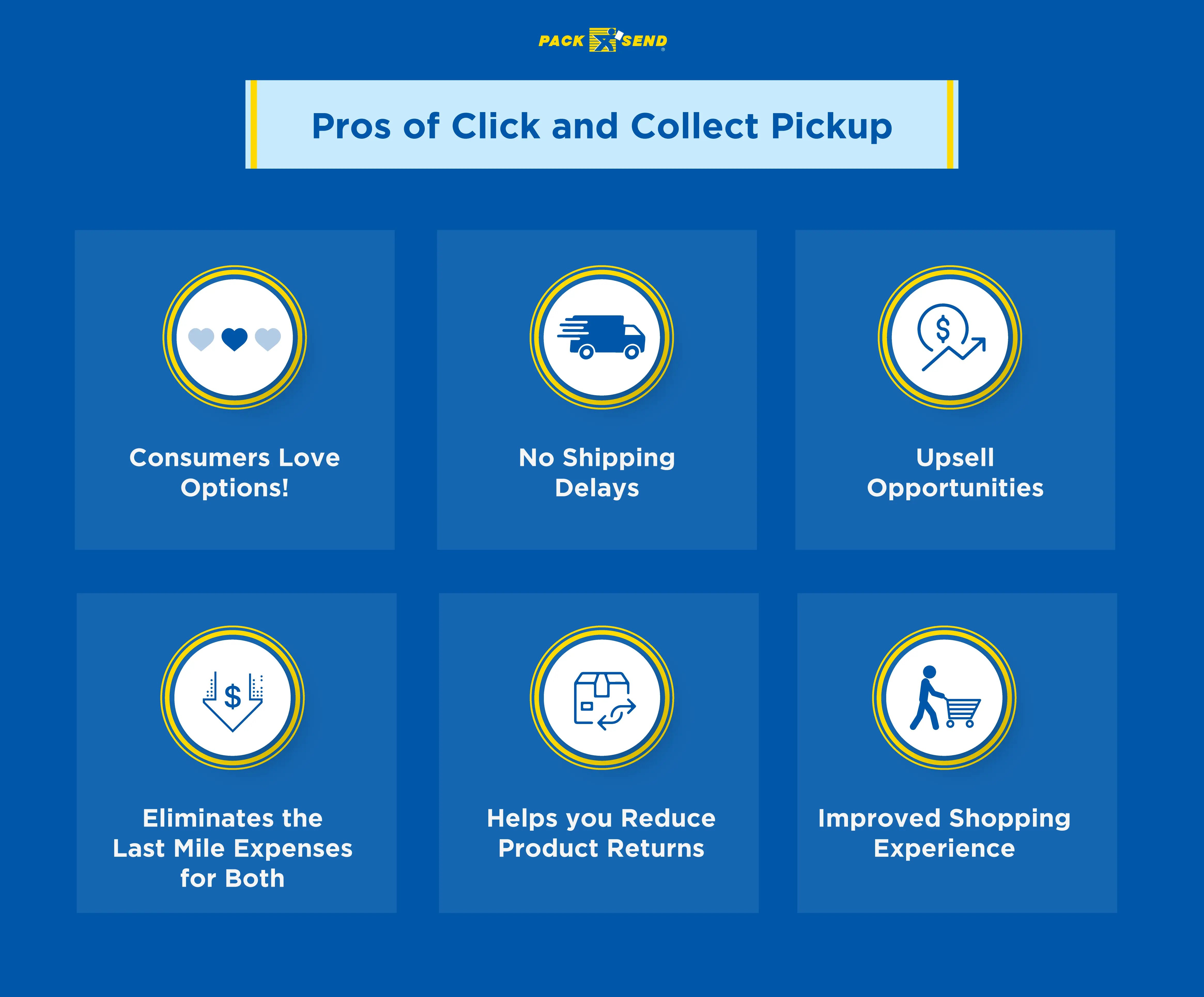
- Speed. Orders are often ready within the same day, eliminating the typical 3‑5‑day delivery window.
- Cost savings. Most retailers waive shipping fees for pickup, and some even offer discounts on the items themselves.
- Control. You decide exactly when to collect, avoiding missed‑delivery hassles.
- Safety. Especially during busy seasons, a quick in‑store hand‑off reduces exposure to crowded delivery trucks.
Step‑by‑Step: How the Process Unfolds
Understanding the flow can make the experience smoother. First, you browse the retailer’s website or app and add products to your cart. Next, at checkout, you select “click‑and‑collect” and choose a store that’s convenient for you. After payment, the retailer’s fulfillment team receives the order, pulls the items from inventory, and prepares them for pickup. You’ll receive a confirmation email or text with a QR code or order number. Finally, you head to the store, show the code at the designated pickup desk, and walk out with your purchase.
Tips to Make the Most of Click‑And‑Collect
Even a simple service can be optimized with a few habits:
- Check store hours before you head out; some locations reserve a separate pickup window that may close earlier than the main shop.
- Bring the confirmation email or have the QR code visible on your phone to speed up verification.
- If you’re picking up multiple orders, ask whether the store can consolidate them into a single package.
- Take note of any “hold” policy—most retailers keep items for 24‑48 hours before returning them to stock.
What Retailers Need to Keep in Mind
From the merchant’s side, click‑and‑collect isn’t just a convenience—it’s an operational challenge. Accurate inventory syncing is critical; a product shown as “in stock” online must truly be available on the shop floor. Staff training matters, too: employees need clear procedures for pulling orders and handing them to customers without bottlenecks. Moreover, clear signage at the pickup area helps avoid confusion, especially during peak times.
Many retailers also use click‑and‑collect as a foot‑traffic driver. Once a customer is in the store, they may add impulse purchases to the basket, boosting average transaction value. Designing the pickup zone near complementary merchandise can turn a simple hand‑off into a revenue opportunity.
Future Trends for Click‑And‑Collect
Technology is poised to refine the model even further. Some chains are experimenting with locker‑style pickup stations that operate 24/7, eliminating the need for staff altogether. Others are integrating AI‑driven inventory forecasts to ensure popular items are always ready for same‑day collection. As curbside regulations evolve, we may also see more “drive‑through” lanes that let drivers retrieve packages without stepping out of their cars.
Regardless of the exact shape it takes, the underlying promise remains the same: fast, affordable access to the products you want, when you want them.
Frequently Asked Questions
Can I return items purchased via click‑and‑collect? Yes, most retailers treat these purchases like any other in‑store sale. Returns are usually processed at the same location where you picked up the order, following the standard return policy.
What if the store runs out of my item after I place the order? A well‑integrated system should prevent that by updating inventory in real time. If a mismatch occurs, the retailer typically contacts you to offer a refund, a substitute, or a later pickup date.
Is click‑and‑collect faster than home delivery? In many cases, yes. Because the order doesn’t travel far, it can be prepared and ready for pickup within a few hours, whereas standard shipping often takes several days.