How Commodifying Art Changes Its Value and Meaning
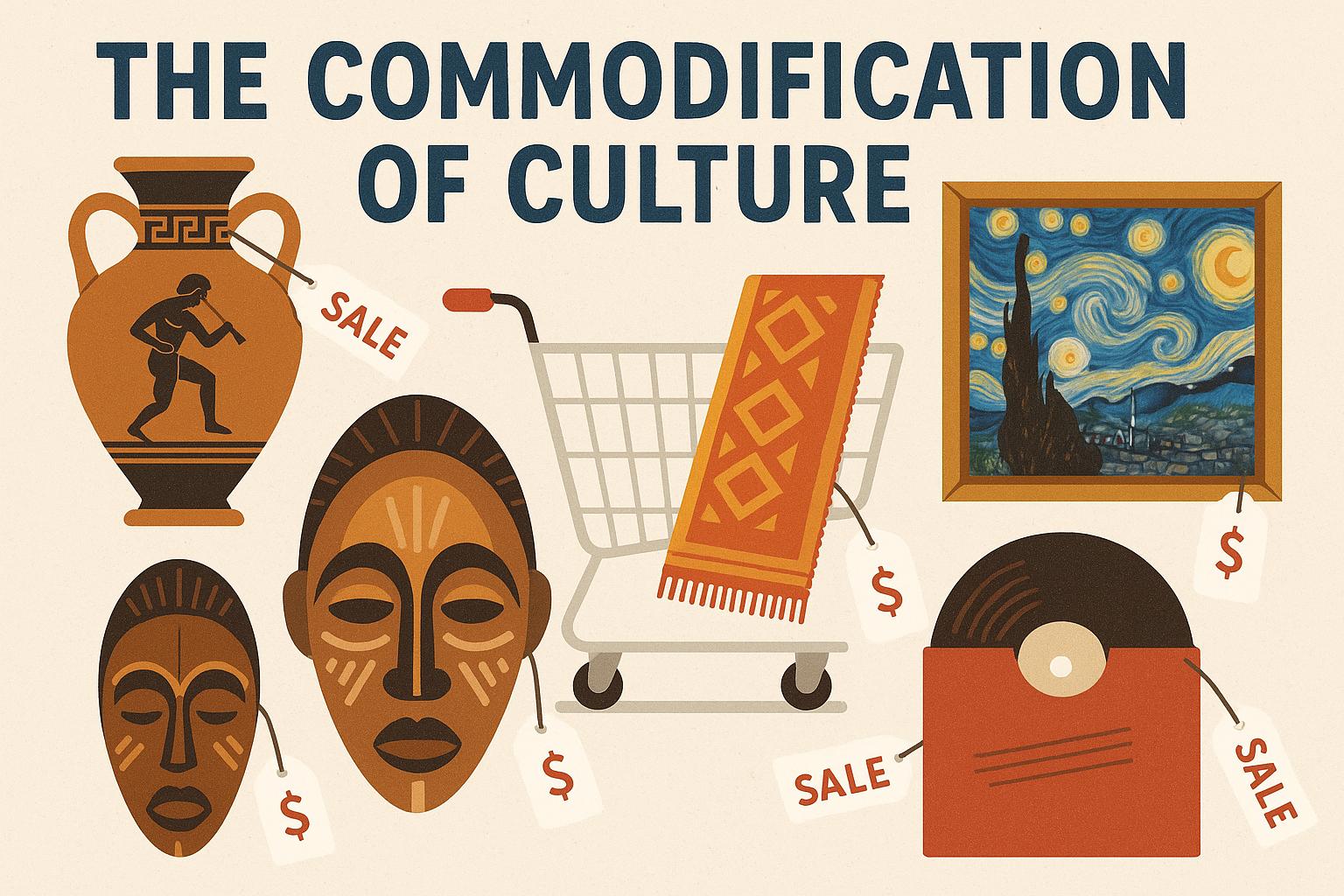
When paintings, sculptures, or digital creations become items you can buy and sell, we talk about the commodification of art. This shift—from a cultural expression to a market product—doesn’t just affect price tags. It reshapes how we interpret, appreciate, and even create art. Below we unpack the history, the economics, and the philosophical fallout of treating creativity like any other commodity.
The Rise of Art as a Commodity
Art has always had a price, but the modern notion of art as a tradable asset exploded in the 20th century. The emergence of galleries, auction houses, and later online platforms turned works into investment vehicles. Artists once reliant on patrons or guilds now find galleries acting as brokers, and collectors eyeing pieces as portfolio diversifiers.
Economic Mechanisms Behind the Market
Three forces drive the commercial side of art:
- Scarcity: Limited editions and “one-of-a-kind” pieces create artificial rarity.
- Branding: An artist’s name becomes a label that can appreciate or depreciate.
- Speculation: Investors buy works hoping to resell at a higher price, often independent of artistic merit.
These mechanisms echo those of any commodity, from oil to vintage wines, and they can inflate values far beyond what the creator intended.
How Value Shifts When Art Becomes a Product
Traditionally, value was measured by cultural impact, technical skill, or emotional resonance. In a commodified market, monetary appraisal often overshadows those criteria. A painting might fetch millions at auction while the same piece, shown in a community center, could inspire profound dialogue for free. This dichotomy forces viewers to ask whether price truly reflects worth.
The Impact on Meaning and Interpretation
When art is packaged for sale, its narrative can be streamlined to appeal to buyers. Complex, challenging works sometimes get “sanitized” to fit decorative trends, diluting their original intent. Conversely, high prices can also amplify a piece’s aura, prompting deeper scholarly investigation. The tension between accessibility and exclusivity keeps the conversation alive.
Artists’ Perspectives on Being Commodified
Some creators embrace the market, using sales to fund larger projects or to gain independence from institutional constraints. Others resist, opting for open-source models, community murals, or performance art that deliberately avoids commercial channels. The choice often reflects personal philosophy as much as financial necessity.
Market Dynamics: Auctions, Galleries, and Digital Platforms
Auction houses like Sotheby’s and Christie’s wield immense influence, setting benchmark prices that ripple through secondary markets. Galleries act as curators and sellers, shaping an artist’s public profile. Meanwhile, digital platforms and NFTs have introduced new ways to tokenize and trade art, blurring lines between physical and virtual ownership.
Ethical Questions Raised by Commodification
Turning creativity into a tradable asset raises several concerns:
- Is the artist’s autonomy compromised when commercial appeal dictates style?
- Do high prices reinforce elitist cultural hierarchies?
- How does speculation affect the preservation of cultural heritage?
These questions don’t have easy answers, but they remind us that art’s purpose extends beyond balance sheets.
Alternatives to Pure Commercialization
Several models seek to balance financial sustainability with artistic integrity:
- Co‑operatives: Artists share studio space, resources, and profits.
- Patronage platforms: Crowdfunding sites let supporters fund projects directly.
- Public commissions: Governments and nonprofits fund works that serve community needs.
Each approach attempts to retain the cultural relevance of art while providing creators with a livable income.
What This Means for the Future of Art
As technology continues to reshape how we buy, sell, and experience artworks, the debate over commodification will likely intensify. New tools could democratize ownership—think fractional shares of a masterpiece—but they could also deepen speculation. The crucial point is that every transaction carries cultural weight, influencing not just markets but the stories we tell about ourselves.
Frequently Asked Questions
What does “commodification of art” actually mean?
It refers to the process of treating artworks primarily as market goods—objects that can be bought, sold, and traded—rather than as purely cultural or expressive works.
Can an artwork’s price ever reflect its true artistic value?
Price can signal demand and rarity, but artistic value also hinges on emotional impact, historical context, and personal interpretation, which aren’t easily quantified.
Do NFTs change the way art is commodified?
NFTs create a digital ledger for ownership, making it easier to trade and fractionalize works. They add a layer of transparency but also amplify speculative behavior.
How can artists resist commodification without losing income?
Many turn to alternative funding—crowdfunding, residencies, or cooperative studios—allowing them to create without conforming to market pressures while still earning a living.