How Home Depot Listens to Shoppers: Inside Its Voice‑of‑Customer Strategy
When you walk into a Home Depot aisle, you might notice a quick survey tablet at checkout or a friendly associate asking how the weekend project went. Those moments are part of a larger, data‑driven effort known as the Voice of the Customer (VoC) program. Home Depot’s approach blends technology, employee empowerment, and a relentless focus on turning feedback into concrete change—all aimed at keeping DIY enthusiasts and professional contractors coming back.
Why a Voice‑of‑Customer program matters to retailers
Retailers that ignore what shoppers say risk losing relevance fast. In a market flooded with online options, the subtle cues a customer leaves—whether a rating on a receipt, a comment on social media, or a sigh in the aisles—can signal a gap in inventory, a confusing store layout, or a missed opportunity to upsell. A robust VoC system lets a retailer spot those signals early, prioritize fixes, and demonstrate that every opinion counts.
Home Depot’s core VoC pillars
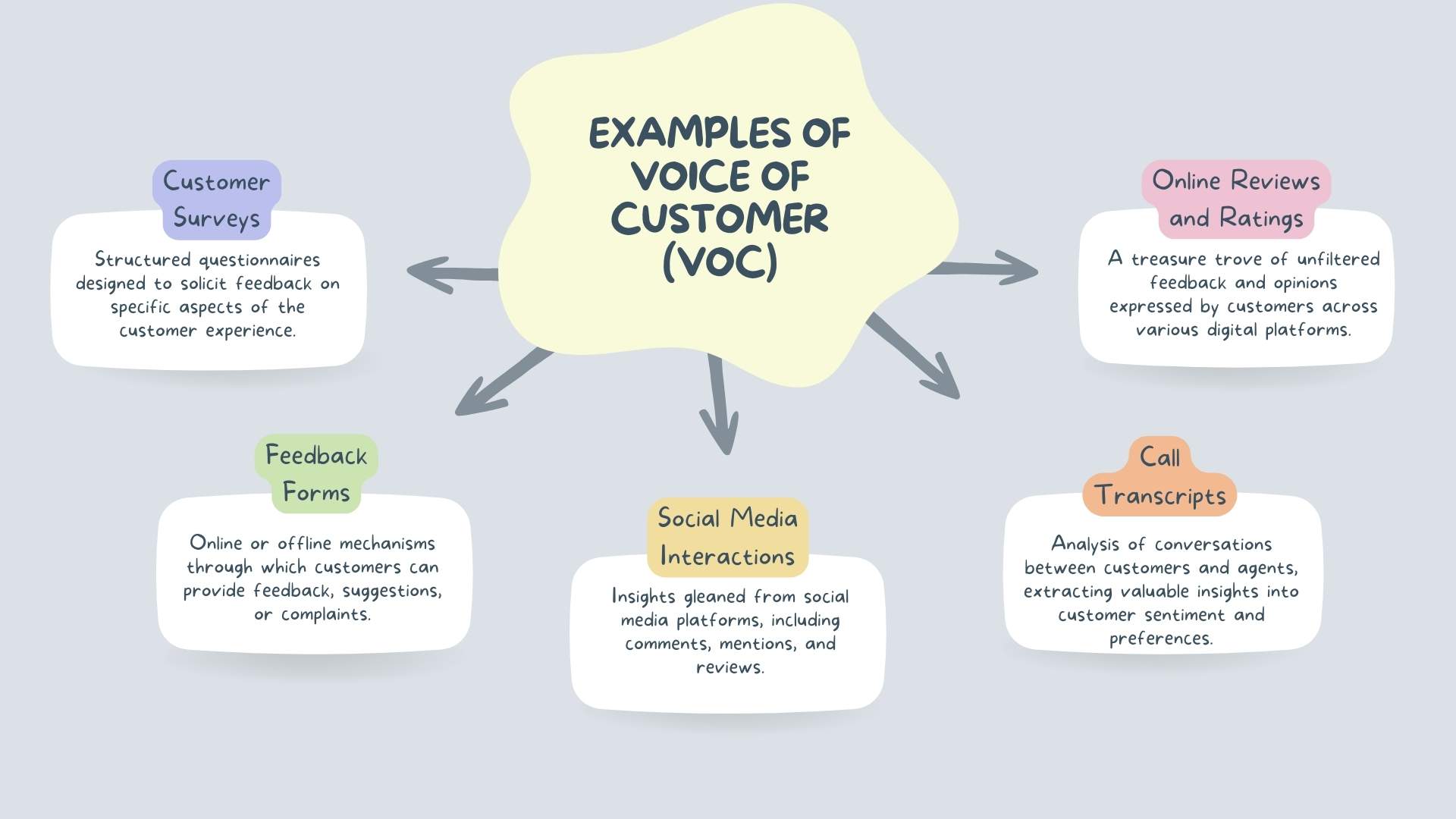
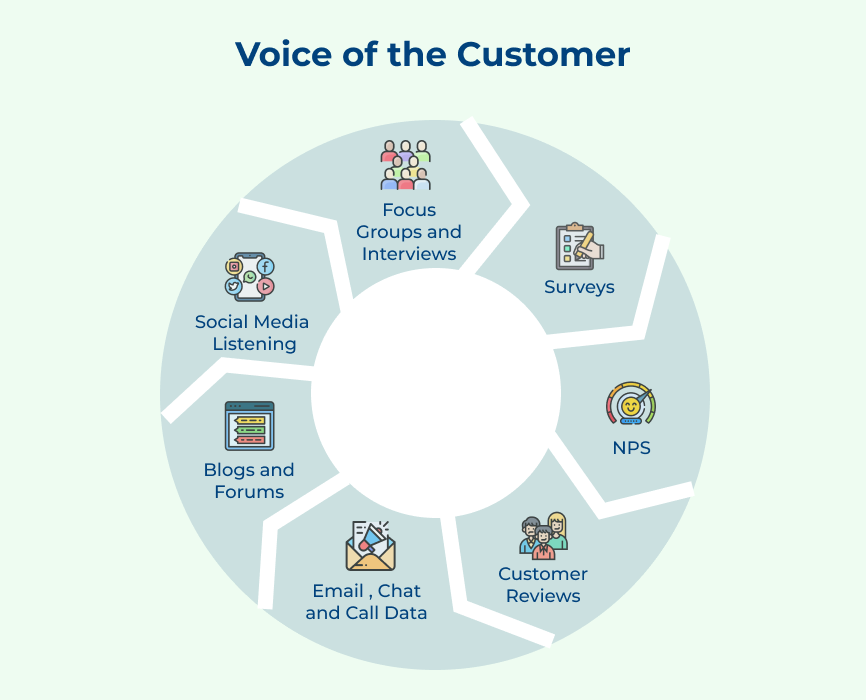
- Multi‑channel listening. Home Depot captures feedback in‑store (digital kiosks, paper cards), online (post‑purchase surveys, website chat), and off‑site (social media, review sites).
- Employee‑driven insight. Associates receive training to note recurring questions or complaints, turning front‑line observations into data points that feed the central analytics team.
- Real‑time analytics. Using a blend of proprietary dashboards and third‑party sentiment tools, the company monitors trends as they happen rather than waiting for quarterly reports.
- Action loops. Every piece of feedback is mapped to a responsible team—store operations, merchandising, or digital experience—so that the insight doesn’t sit idle in a spreadsheet.
Collecting feedback across the customer journey
Home Depot’s VoC strategy starts before the shopper even steps inside the door. After a purchase, an email invites the buyer to rate the experience on a scale that feeds directly into the Net Promoter Score (NPS) calculation. In‑store, short touchscreen surveys appear at checkout lanes, asking simple questions like “Was the staff helpful?” or “Did you find what you needed?” For contractors who place bulk orders, a dedicated account manager follows up with a deeper interview that explores project‑specific needs.
Online, the retailer tracks click‑through patterns and cart abandonment rates. When a customer lingers on a product page but never adds the item to the cart, a gentle pop‑up may appear asking, “Did you need more information?” The response—whether a request for a how‑to video or a price comparison—feeds back into product content planning.
Social listening rounds out the picture. By monitoring hashtags, mentions, and reviews on platforms such as Twitter, Instagram, and industry forums, Home Depot can spot emerging pain points (like a recurring complaint about a specific tool brand) that might not surface in structured surveys.
Turning data into action
Collecting opinions is only half the battle; the real magic happens when the data is parsed and prioritized. Home Depot employs a tiered scoring system that ranks feedback by impact (e.g., sales loss potential) and frequency (how often the issue is mentioned). High‑priority items—such as a shortage of a popular paint color—trigger an immediate alert to regional inventory managers, who can adjust shipments within days.
For more nuanced insights, the analytics team runs sentiment analysis on open‑ended comments. A sudden surge in negative sentiment around “checkout wait times” might lead to a pilot of additional self‑checkout stations in select stores. Conversely, a spike in positive remarks about the “DIY workshop” series could prompt the company to expand those classes to new locations.
Crucially, Home Depot closes the loop with customers. When a shopper’s suggestion leads to a tangible change—say, adding a new brand of eco‑friendly insulation—the company sends a follow‑up email acknowledging the contribution. That acknowledgment not only builds goodwill but also encourages future participation.
Measuring impact and continuous improvement
The effectiveness of any VoC program is judged by both short‑term metrics and long‑term loyalty. Home Depot tracks changes in NPS, repeat‑purchase rates, and average basket size after implementing feedback‑driven initiatives. Early reports indicate that targeted improvements—like clearer signage in the lumber department—correlate with modest upticks in sales for related categories.
Beyond numbers, the retailer conducts “voice audits” each quarter. Teams review a random sample of feedback to assess whether the right questions are being asked and whether the action loops are functioning as intended. Findings from these audits often lead to refinements in survey design or adjustments to the weighting of certain data sources.
Because the retail landscape evolves quickly, Home Depot treats its VoC system as a living organism. New feedback channels (such as voice assistants on smart home devices) are periodically tested, and emerging analytics techniques—like machine‑learning clustering of comment themes—are piloted in select markets before a broader rollout.
FAQ
- How does Home Depot gather in‑store feedback? Short digital surveys at checkout, paper cards placed near exits, and employee observations all feed into the central VoC platform.
- What role do employees play in the Voice‑of‑Customer process? Associates are trained to note recurring customer questions and flag them; these frontline insights are logged and reviewed alongside survey data.
- Is Home Depot’s Voice‑of‑Customer program focused only on shoppers? No. The company also solicits input from contractors, suppliers, and even internal staff to get a 360‑degree view of the experience.
- How quickly does Home Depot act on customer suggestions? High‑impact issues, like inventory shortages, can trigger action within a few days, while broader strategic changes may take weeks or months to implement.