How to Buy Your Dream House and Lot: A Step‑by‑Step Guide
Finding the perfect combination of a home and a piece of land feels like a life milestone. Whether you’re a first‑time buyer or moving up from a starter home, the process can feel overwhelming. This step‑by‑step guide breaks the journey down into manageable phases, from clarifying your vision to turning the key in the front door.
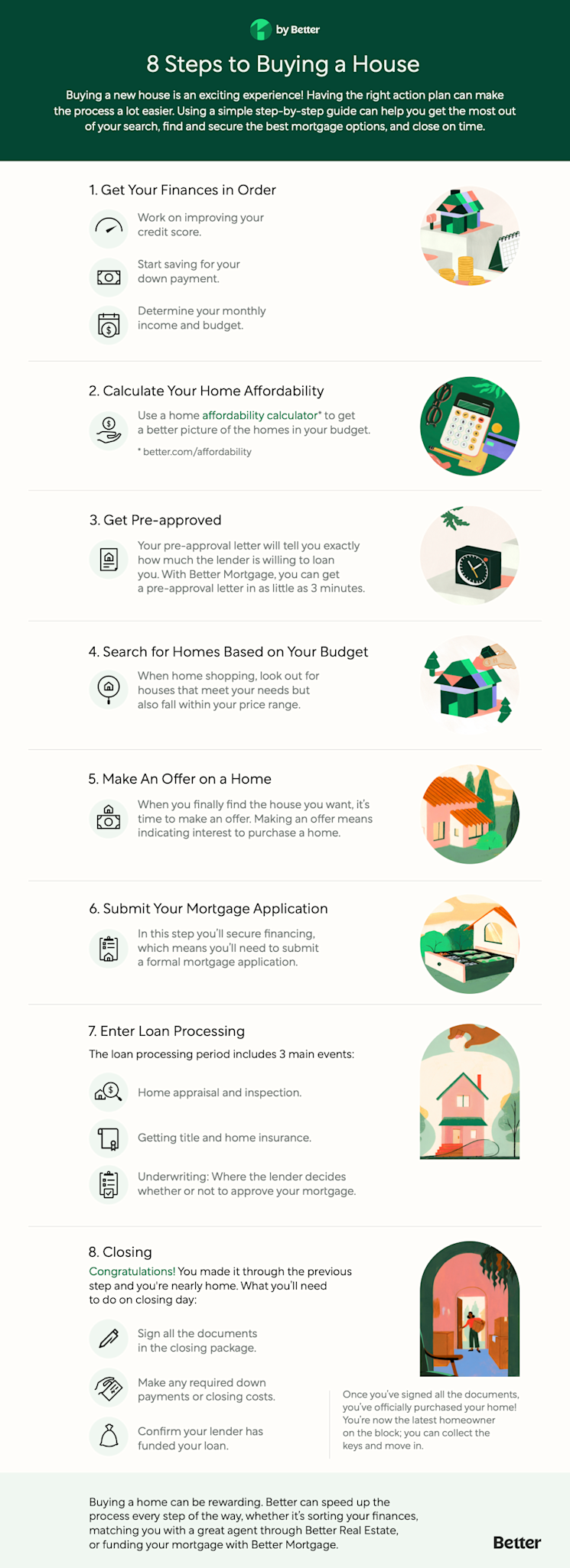
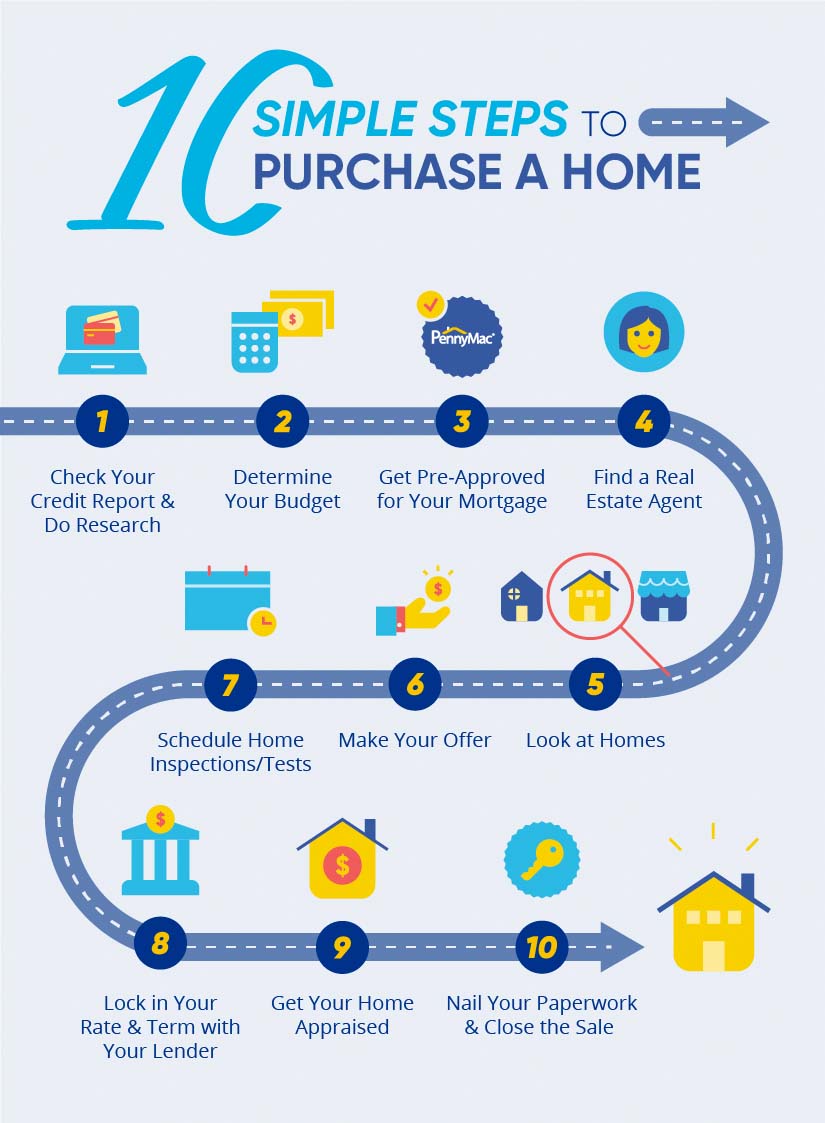
1. Clarify What “Dream” Means to You
Before you start scrolling listings, take a moment to define your priorities. Do you need a spacious backyard for gardening, a quiet street for kids, or proximity to work? Write down “must‑haves” (e.g., three bedrooms, two‑car garage) and “nice‑to‑haves” (e.g., a modern kitchen, a view). This list will keep you focused when you encounter attractive but unsuitable options.
- Location factors: school districts, commute times, future development plans.
- Lot considerations: size, topography, zoning restrictions.
- Home style: single‑family, townhouse, or a custom build.
2. Get Your Finances in Order
Understanding what you can comfortably afford is the foundation of any successful purchase. Start by checking your credit score, paying down high‑interest debt, and saving for a down payment—usually 10‑20 % of the total price.
Next, meet with a mortgage broker or lender. They’ll run a pre‑approval, which not only tells you a realistic price range but also shows sellers you’re serious. Remember, a pre‑approval isn’t a guarantee; it’s an estimate based on your current financial snapshot.
3. Choose the Right Type of Property
When the dream includes both a house and a lot, you have a few routes:
- Existing home on a sizable lot: Ideal for those who want a move‑in ready house with room for expansion.
- House with a small parcel: Good for low‑maintenance lifestyles, but you may need to purchase adjacent land later.
- Land‑only purchase: Perfect for custom builds, though you’ll need to budget for construction and permits.
Each option has trade‑offs in cost, timeline, and flexibility. Weigh them against the list you created in step 1.
4. Scout Neighborhoods and Evaluate the Lot
Visit potential areas at different times of day. Notice traffic patterns, noise levels, and how the community feels. Talk to neighbors if you can; they’ll often share insights about future developments or HOA rules.
When you’ve zeroed in on a lot, assess its suitability:
- Soil quality and drainage—important for foundations and landscaping.
- Orientation to the sun, which affects energy costs.
- Access to utilities and road frontage.
- Any easements or covenants that could limit building plans.
5. Make an Offer and Negotiate
Armed with a pre‑approval and a clear picture of the property’s value, work with your real‑estate agent to draft an offer. Your proposal should reflect recent comparable sales, the condition of the house, and any needed repairs.
Negotiations might involve:
- Adjusting the purchase price.
- Requesting seller‑paid closing costs.
- Including contingencies for inspections or financing.
Stay flexible but know your ceiling—going beyond your budget can jeopardize the entire deal.
6. Conduct Inspections and Due Diligence
Once the seller accepts your offer, schedule a home inspection. A thorough inspector will examine the structure, roof, plumbing, electrical systems, and, crucially for a lot, the grading and drainage.
If issues arise, you have a few options: ask the seller to fix them, negotiate a price reduction, or walk away if the problems are too severe. Similarly, verify the lot’s title is clear of liens and that zoning permits the type of construction you envision.
7. Close the Deal
Closing is the final stretch where paperwork meets reality. You’ll sign the mortgage documents, transfer the title, and pay closing costs—typically 2‑5 % of the purchase price. Your lender will fund the loan, and the seller will hand over the keys.
Before the big day, walk through the property one last time to confirm everything is as agreed. It’s your chance to note any last‑minute issues that might need attention before you move in.
8. Move In and Personalize Your Space
With the deed in hand, you can start turning the house into a home. Whether you’re painting walls, landscaping the yard, or planning a future addition, take a measured approach. Small upgrades often increase both comfort and resale value, especially when they align with the neighborhood’s character.
Frequently Asked Questions
What is a reasonable down payment for a house and lot?
Most lenders prefer 10‑20 % of the total price, but some programs—like FHA loans—allow as little as 3.5 % if you meet certain criteria.
Should I buy a home with a small lot and later purchase adjoining land?
It can work if the surrounding parcels are available and zoning permits expansion. However, securing the extra land up front often avoids future complications and price spikes.
How long does the closing process usually take?
From offer acceptance to closing, the timeline averages 30‑45 days, depending on loan approval speed, inspection results, and any title issues.
Can I negotiate repairs after the inspection?
Yes. You can ask the seller to handle repairs, lower the price, or provide a credit toward your own contractor costs. The key is to present clear estimates and prioritize safety‑related issues.