How to Choose and Use 3D Glasses for the Best Theater Experience
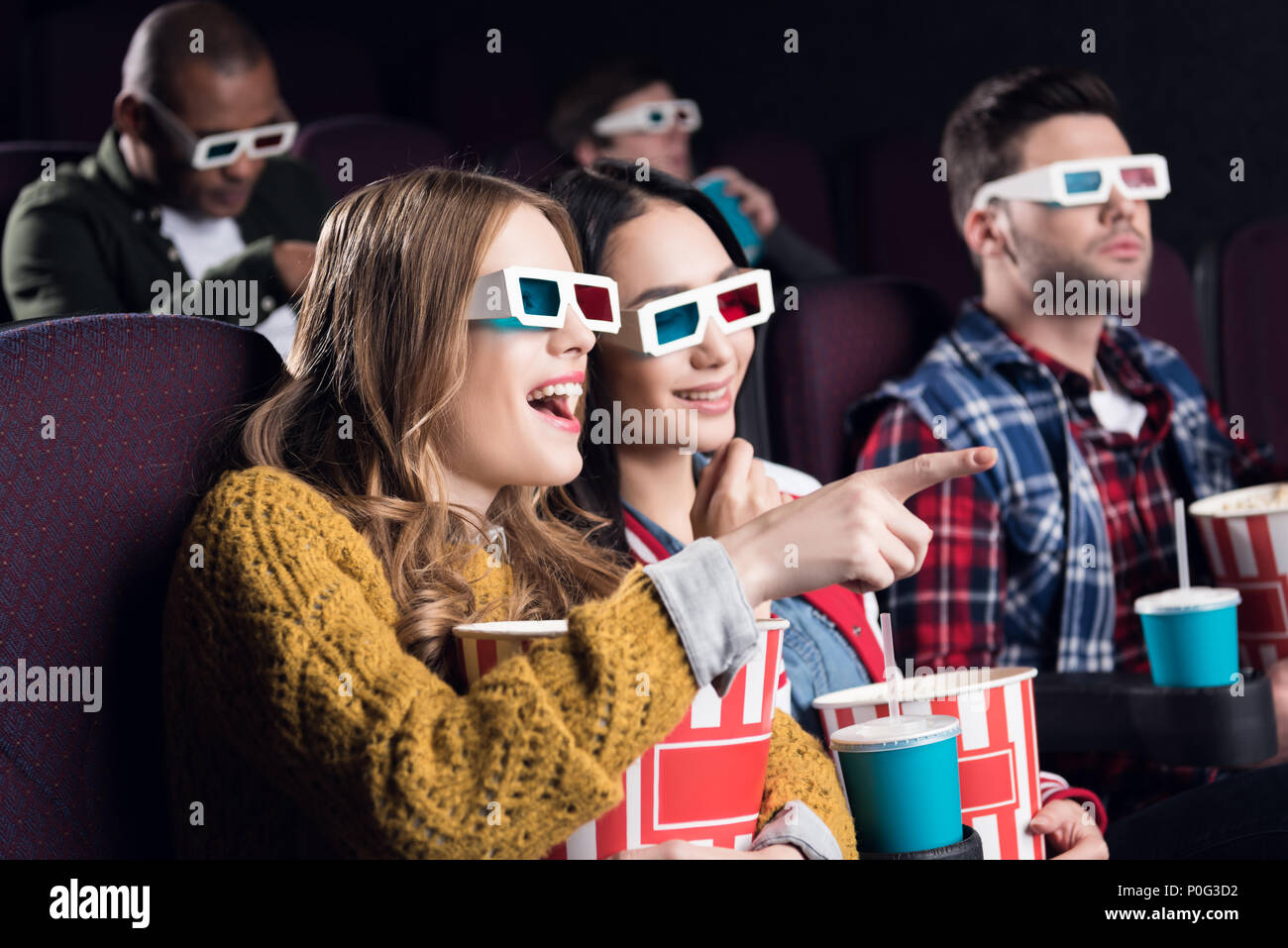
Walking into a dark auditorium, the screen bursts into depth that seems to leap right at you. That extra dimension is courtesy of the humble 3D glasses perched on your nose, and getting the most out of them is more than just slipping them on. Whether you’re a first‑timer or a seasoned fan, this guide walks you through the science, the options, and the etiquette that turn a routine movie night into a truly immersive outing.
How 3D Glasses Turn a Flat Screen Into Depth
The magic starts with stereoscopic imaging—two slightly offset pictures projected simultaneously. Your brain fuses them into a single, three‑dimensional view, but only if each eye receives the correct image. That’s where the glasses step in, filtering light so each eye sees only its intended frame.
There are two main technologies behind the lenses. Passive glasses use polarized filters, much like the lenses in a pair of sunglasses, while active shutter glasses synchronize with the projector, alternating dark and light frames for each eye at a rapid pace. Both achieve the same end result; the choice often hinges on comfort, price, and the theater’s setup.
Passive vs. Active: Which Pair Is Right for You?
- Passive (Polarized) Glasses – Lightweight, inexpensive, and generally more comfortable for longer wear. The downside is a slight reduction in brightness, which can be noticeable in dimly lit scenes.
- Active Shutter Glasses – Offer brighter images and can handle higher frame rates, making fast‑action sequences feel smoother. They’re bulkier, require batteries, and occasionally suffer from flicker if the synchronization falters.
Most mainstream cinemas in North America and Europe favor passive systems because they’re cheaper to maintain and work well with standard projection screens. If you happen to sit in a specialty venue that advertises “premium 3D,” it’s worth checking whether they use active glasses—especially if you’re sensitive to flicker.
Choosing the Right Pair for the Theater
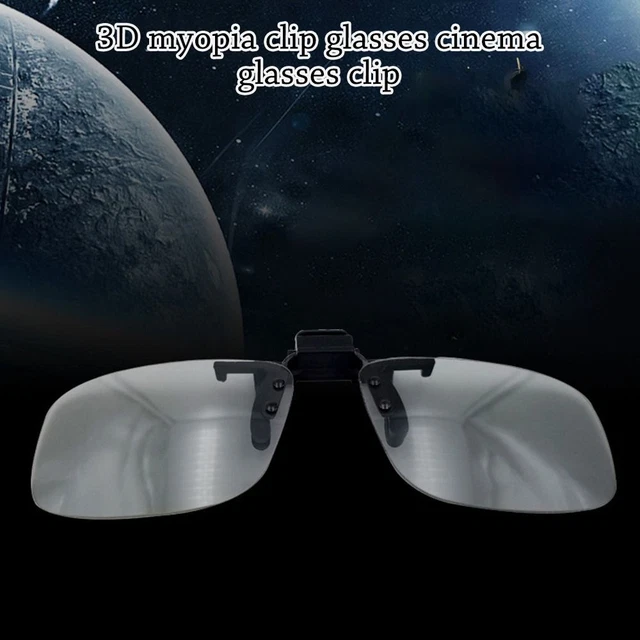
When you buy your own 3D glasses, keep three factors in mind: fit, lens quality, and compatibility.
Fit matters more than you might think. A snug bridge prevents the lenses from slipping, which could cause double‑vision or eye strain. Look for frames with adjustable nose pads or a flexible rim that can accommodate different face shapes.
Lens quality influences clarity. Polycarbonate lenses are lightweight and resistant to scratches, but they can also warp over time if exposed to heat. If you plan to reuse the glasses, choose a reputable brand that offers anti‑scratch coating.
Compatibility is the hidden wildcard. Some theaters mark their screens with “silver screen” for passive glasses, while “silver screen” plus “active” signage points to shutter technology. If you’re unsure, a quick glance at the entrance or a polite question to the staff can save you from a mismatched pair.
What to Expect When You Arrive
First, the ticket clerk will hand you a disposable or reusable set. Most venues sterilize reusable glasses between showings, but if you’re bringing your own, you’ll likely be asked to place them in a protective case at the entrance.
Once seated, the projectionist will dim the lights and run a brief calibration—often a quick flash of alternating colors that helps the glasses sync. If the image appears washed out or you notice a persistent double‑image, gently adjust the glasses on your nose or ask a staff member for a replacement.
Tips for Comfortable 3D Viewing
- Keep the glasses clean. A microfiber cloth wipes away fingerprints without scratching the lenses.
- Avoid touching the inside of the lenses; oils from skin can reduce clarity.
- If you feel eye fatigue, give yourself a short break between scenes—look away from the screen for a few seconds.
- For active shutter models, carry a spare set of batteries; a dead battery can ruin the whole experience.
Etiquette: Respecting Others and the Equipment
Because 3D glasses are often shared, treat them as you would a communal piece of equipment. Return them to the collection box promptly, and refrain from swapping lenses with friends, as mismatched polarization can ruin the picture for everyone nearby.
If you notice a crack or a scratched lens, hand it over to an employee. Broken glasses can scatter stray light, causing ghosting that distracts the entire row.
Troubleshooting Common Issues
Ghosting or double images usually means the lenses are misaligned or the projector is out of sync. Try repositioning the glasses or ask staff to reset the system.
Dim or washed‑out colors are typical with passive glasses on older screens. If the problem persists, request a different seat where the projector’s angle is optimal.
Flicker is a hallmark of active shutter glasses losing battery power or failing to sync. A quick battery swap or a fresh pair often resolves the issue.
FAQ
Do I need to bring my own 3D glasses to the cinema?
It’s not required; most theaters provide them free of charge. However, bringing a personal pair ensures a perfect fit and reduces the risk of receiving a scratched or dirty set.
Can I use 3D glasses for home movies?
Only if you have a compatible 3D TV or projector that matches the glasses’ technology—polarized lenses for passive systems, and synchronized shutter glasses for active setups.
Are there any health concerns with 3D viewing?
For most people, short‑term 3D exposure is safe. Those prone to motion sickness or with certain eye conditions may experience mild discomfort, so a brief trial is advisable before committing to a full feature.
Why do some movies require you to keep the lights on during 3D?
Ambient light helps maintain the contrast needed for the glasses to separate the images. Completely dark rooms can make the polarized filters less effective, especially with older projection systems.