How to Craft Headlines That Drive More Clicks and Engagement
In the crowded world of online publishing, a headline is your first—and often only—chance to make a lasting impression. Craft perfect news headlines to boost clicks and engagement by blending curiosity, clarity, and value. When readers skim the endless stream of links, those headlines that instantly resonate will stand out, compel a click, and keep people scrolling.
Why Headlines Are the First Impression
Think of a headline as the door to a story. If the door looks uninviting, visitors will pass it by. A compelling headline signals relevance and promises a payoff that meets a reader’s immediate need—whether that’s learning, entertaining, or solving a problem.
How to Craft Perfect News Headlines to Boost Clicks and Engagement
To produce headlines that perform, focus on three core elements: specificity, emotion, and benefit. These pillars keep headlines honest, intriguing, and action‑oriented.
Use Numbers and Facts
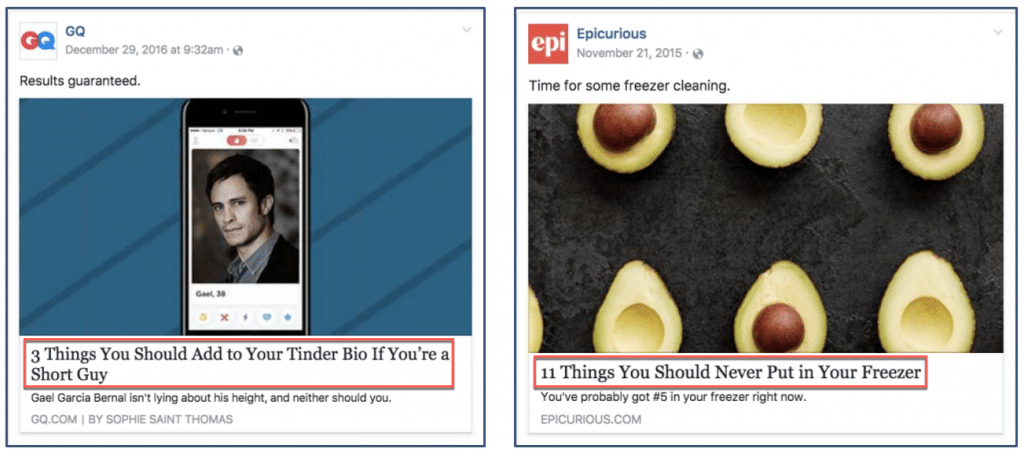
Concrete numbers create a sense of credibility. “10 Ways to Cut Your Energy Bill” outperforms “Ways to Cut Your Energy Bill.” Statistics act as anchors that readers can quickly evaluate.
Emotional Trigger Words
Words like “shocking,” “unbelievable,” or “essential” activate curiosity or urgency. Pair them with a clear purpose—“Shocking Study Shows Why You Need Sleep Now.”
Clear Value Proposition
Answer the implicit question: “What’s in it for me?” A headline that says, “How to Double Your Email Open Rates in 30 Days,” tells the reader exactly what they’ll gain.
Avoid These Common Pitfalls
- Clickbait—promises that the article never delivers. It erodes trust over time.
- Overly long headlines—readers skim, so keep it under 60 characters when possible.
- Vague wording—“Interesting news” doesn’t spark action.
- Missing verbs—headlines should read like a command or invitation.
Tools and Techniques to Refine Your Headlines
Even the best writers benefit from data. A few tools can help you gauge readability, emotional impact, and SEO friendliness.
Headline Analyzer Tools
- CoSchedule Headline Analyzer: Offers a score based on word choice, length, and sentiment.
- Sharethrough Headline Analyzer: Focuses on engagement potential and click‑through rates.
- Hemingway Editor: Highlights overly complex phrases that may hinder quick comprehension.
A/B Testing with Real Readers
Publish two headline variants and measure which attracts more traffic and longer dwell time. Even a small 5‑minute test can reveal a clear winner.
Examples of Headlines That Work
Seeing successful headlines in context helps you internalize the formula.
Tech News Example
“Apple Unveils New AR Glasses: What It Means for Everyday Tech” blends a brand name, a product, and a clear implication for readers.
Health & Wellness Example
“5 Simple Habits to Reduce Stress Before Bed—Doctors Recommend Them” uses numbers, benefit, and authority.
Politics Example
“Senator’s New Climate Bill Faces Sudden Backlash: Here’s Why” offers a timely event, a hook, and a promise of explanation.
Putting It All Together: A Step‑by‑Step Process
Following a repeatable workflow saves time and improves consistency.
1. Identify Your Angle
Ask what problem the article solves or what question it answers. Position the headline around that insight.
2. Draft Multiple Versions
Write three to five variations. This practice exposes you to different word choices and structures.
3. Refine & Test
Run each version through an analyzer, then select the top two for A/B testing on a subset of your audience.
4. Analyze Results
Track click‑through rate, time on page, and social shares. Use these metrics to iterate on future headlines.