How to Find and Repair a Water Heater Drain Valve
When a water heater starts leaking or you need to flush out sediment, the first thing most homeowners look for is the water heater drain valve. Knowing where that valve sits and how to tackle common repair findings can save you a costly plumber call. Below we’ll walk through the typical locations, the signs that something’s wrong, and a practical DIY repair process.
Understanding the Drain Valve and Its Role
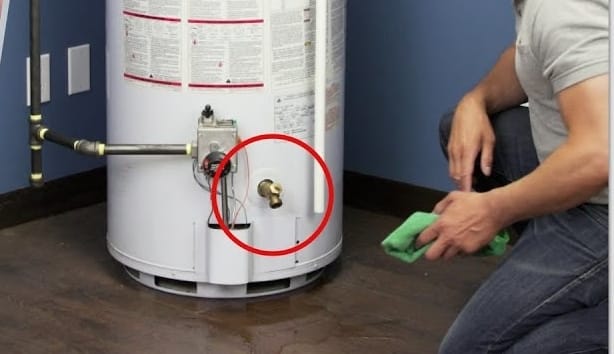
The drain valve is a small, often brass or copper, valve at the bottom of the tank. Its sole purpose is to let water—and the gritty sediment that settles over time—exit the system safely. By emptying the tank periodically, you prevent corrosion, improve heating efficiency, and extend the unit’s lifespan. Because it’s a safety outlet, the valve is designed to be simple to operate, yet it can become a hidden source of frustration when it’s hard to locate or begins to leak.
Common Locations for Residential Water Heater Drain Valves
Most standard tank‑type heaters have the valve positioned near the lowest point of the tank, usually on the front or side. Here’s what you’ll typically see:
- Front‑facing valve: A short, threaded pipe sticking out of the front panel, often covered by a plastic or metal guard.
- Side‑mounted valve: Located on the left or right side, angled downward to allow gravity to do the work when you open it.
- Bottom‑center valve: In some high‑efficiency models, the valve sits directly at the bottom center, sometimes recessed into a metal bracket.
If you’re dealing with a tankless or electric unit, the “drain valve” might actually be a bleed screw on the heat‑exchange coil, but the principle remains the same—provide an exit for water and sediment.
Diagnosing Problems – What You’ll Find
Before you start unscrewing anything, run a quick visual inspection. Common findings include:
- Leaking at the valve threads: Often caused by a loose connection or deteriorated Teflon tape.
- Corroded or stuck valve: Sediment can build up around the valve seat, making it hard to turn.
- Rusty water draining out: Indicates that sediment has accumulated inside the tank and needs flushing.
- No water flow: A blocked valve or a clogged pipe downstream may be the culprit.
Identifying the exact symptom helps you choose the right repair path—tightening a connection, replacing the valve, or simply cleaning it out.
Step‑by‑Step Repair Guide
1. Gather Your Tools
All you need are a few basics: an adjustable wrench, a pipe‑thread sealant or Teflon tape, a bucket, and a garden hose. If the valve is severely corroded, a replacement brass drain valve (often sold as a “water heater drain valve kit”) will be handy.
2. Shut Off Power and Water Supply
For electric heaters, flip the circuit breaker. For gas units, turn the gas valve to the “off” position. Then close the cold‑water inlet valve located on the top or side of the tank. Open a hot‑water faucet elsewhere in the house to relieve pressure.
3. Drain the Tank (If Needed)
Attach the garden hose to the drain valve and run the other end to a floor drain or outdoors. Open the valve slowly; you may hear a hiss as the water exits. If the valve won’t turn, gently tap it with a rubber mallet to loosen any sediment jam.
4. Inspect and Tighten the Valve
Once the tank is empty, check the valve threads for signs of wear. Apply fresh Teflon tape—wrap it clockwise, two to three turns—then reseat the valve using the wrench. Avoid over‑tightening; a snug hand‑tight fit is sufficient.
5. Replace a Faulty Valve
If the valve is cracked, heavily corroded, or still leaks after retaping, replace it. Unscrew the old valve completely, clean the threads with a wire brush, and install the new valve the same way you would a faucet connection. Make sure the new valve’s orientation allows water to flow downward without kinks.
6. Re‑pressurize and Test
Close the drain valve, remove the hose, and slowly reopen the cold‑water inlet. Watch for any drips around the valve as the tank refills. Once water flows steadily from the nearby faucet, restore power or gas and let the heater run for a few minutes before doing a final leak check.
Preventive Maintenance Tips
Regular upkeep can keep the drain valve—and the entire water heater—in top shape. Here are a few habits that pay off:
- Flush the tank once a year: Attach a hose, open the valve, and let fresh water run through for a few minutes.
- Inspect the valve each flush: Look for rust, mineral buildup, or loose connections.
- Use a water softener if you have hard water: Reduces sediment formation and prolongs valve life.
- Check the anode rod every 2–3 years: A healthy rod reduces overall tank corrosion, which indirectly protects the valve.
By staying proactive, you’ll rarely encounter a surprise leak that forces you to call emergency services.
FAQ
Q: Why does my water heater leak only when I open the drain valve?
A: This usually points to a worn valve seat or degraded sealing tape. Tightening the connection or replacing the valve resolves the issue.
Q: Can I use any wrench to tighten the drain valve?
A: An adjustable wrench works fine, but a pipe wrench provides better grip on stubborn, corroded fittings. Just be gentle to avoid stripping the threads.
Q: How often should I replace the drain valve?
A: Most manufacturers recommend checking the valve during each annual flush. If you notice frequent leaks or the valve won’t turn, replace it even if it’s only a few years old.
/replace-leaking-water-heater-drain-valve-2719059-05-f911dcbe3cd04317a4ad5c311c71ca44.jpg)