How to Find Death Records Online—and What You'll Discover
If you’ve ever needed a death certificate for legal paperwork, genealogy, or just plain curiosity, the internet has become a surprisingly rich hunting ground. The process of finding death records online can feel like navigating a maze, but with the right tools and a bit of patience you’ll uncover details that often go unnoticed. Below we’ll walk through the most reliable sources, the legal quirks you’ll run into, and a few surprises that tend to catch people off guard.
Why Online Death Records Matter
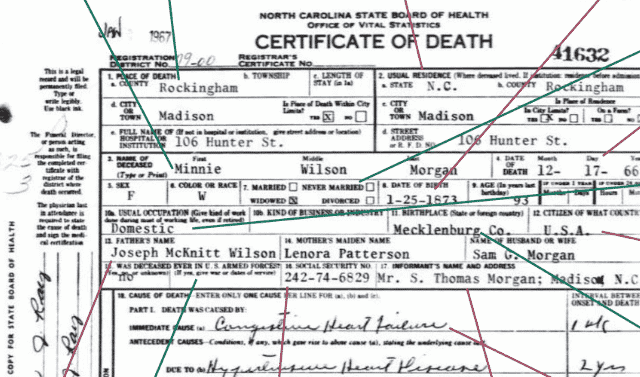
Beyond the obvious need for official documentation—such as settling estates or claiming benefits—death records are a gold mine for family historians. They typically list the deceased’s full name, date of death, place of burial, and sometimes even the cause of death. That information can unlock a whole branch of a family tree that has been hidden for generations.
For researchers, these records also provide demographic snapshots: migration patterns, disease outbreaks, and social trends that shaped a community. In short, a single entry can illuminate personal stories and broader historical narratives alike.
Where to Start Your Search
The first step is to identify which repository is most likely to hold the record you need. Below are the main categories you’ll encounter.
Government Archives
Most U.S. states maintain a Vital Records Office that stores death certificates dating back a century or more. Many of these agencies now offer online portals where you can request a copy for a modest fee. Some states, like California and New York, provide searchable indexes for free, though you’ll still need to pay for the actual document.
On the federal level, the National Archives holds military death records and certain historical certificates. Their Access to Archival Databases (AAD) tool lets you search by name, service number, or date range.
Genealogy Websites
Sites such as Ancestry.com, FamilySearch.org, and MyHeritage aggregate public death records from a variety of sources. While a subscription may be required for full access, FamilySearch is free after you create an account. These platforms often link the death record to related census entries, marriage licenses, and obituaries, giving you a broader picture.
Newspaper Obituaries
Local newspapers have digitized their archives, and many offer searchable databases. Services like Newspapers.com or the Google News Archive let you type a name and narrow results by location and date. Even when a formal death certificate is hard to locate, an obituary can provide the same core details plus personal anecdotes.
Funeral Home and Cemetery Records
Many funeral homes now post memorial pages online, complete with PDFs of death certificates or scanned copies of the original paperwork. Similarly, cemetery websites often maintain a “Find a Grave” style database, which can confirm burial locations and sometimes link to the official record.
Understanding Privacy and Legal Limits
Not all death records are freely accessible. In most jurisdictions, records less than 50 years old are restricted to immediate family members or legal representatives. This protects privacy while still allowing legitimate use for things like probate.
If you’re not a close relative, you may need to provide proof of a legitimate interest—such as a court order or a request from an attorney. Some states, however, make older records (typically over 75 years) fully public, which is why genealogists often target those time frames.
Tips for Getting Accurate Results
- Gather as much preliminary data as possible. Full name, approximate death date, and last known residence dramatically narrow search fields.
- Use wildcard characters. Many databases accept “*” or “?” to replace unknown letters, helping when you’re unsure of spelling variations.
- Cross‑reference multiple sources. If a government index lists a date that conflicts with an obituary, double‑check both to resolve discrepancies.
- Check spelling variations. Immigrants often Anglicized surnames; search for both the original and the modified versions.
- Mind the jurisdiction. County‑level records can be filed in a different state if the deceased moved shortly before death.
Common Pitfalls to Avoid
One frequent mistake is assuming the name on an obituary matches the legal name on the death certificate. Middle names, nicknames, or maiden names can create false leads. Another trap is overlooking spelling errors in older handwritten records; a single misread letter can send you down a dead‑end path.
Don’t forget to verify the source’s credibility. Some free “record finder” sites scrape data without proper licensing, which can lead to incomplete or inaccurate results. Always prefer official government portals or reputable genealogy services.
What You Might Be Surprised to Find
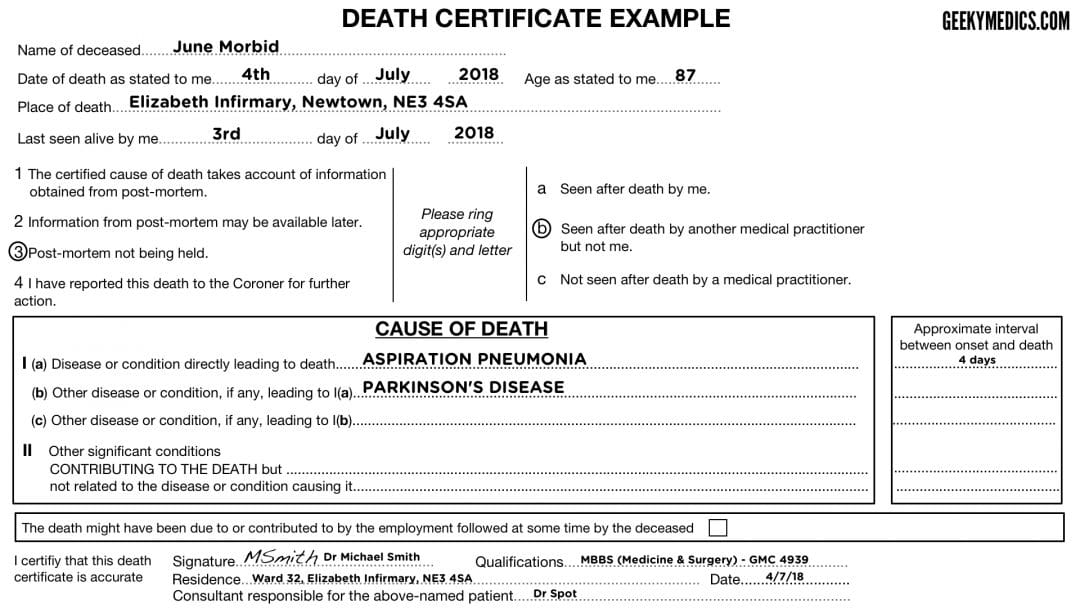
When you finally locate a death record, the details can be unexpectedly rich. Many certificates include the decedent’s occupation, which can hint at socioeconomic status or migration reasons. Some states also list the cause of death, providing insight into historical health trends—think influenza spikes in the 1910s or automobile fatalities in the 1950s.
In rare cases, you’ll discover that a death record is linked to a probate file that contains a will, property deeds, and even personal letters. Those ancillary documents can add layers of context that transform a simple fact sheet into a vivid narrative.
Frequently Asked Questions
Can I obtain a death certificate online if I’m not a family member?
It depends on the state’s privacy laws. Generally, records older than 75 years are public, while newer ones require proof of a legal interest. Some states allow limited “research copies” that omit sensitive details for non‑relatives.
What’s the difference between an obituary and a death certificate?
An obituary is a public notice that often includes biographical sketches and tributes, whereas a death certificate is an official legal document that records the cause, date, and place of death. Both are useful, but they serve distinct purposes.
Are there free ways to access death records?
Yes—FamilySearch.org offers free access to many indexed records, and some state archives provide searchable databases at no cost. However, obtaining an actual certified copy typically involves a fee.
How accurate are online transcriptions of old death records?
Transcriptions can contain errors, especially for handwritten entries. Whenever possible, view the original scanned image to verify names, dates, and other details.