How to Identify and Fix Piston Slap: A Practical Engine Noise Guide
When a car’s engine starts sounding like a loose drum, many drivers chalk it up to “just getting older.” In reality, that metallic thump often points to piston slap—a specific type of engine knock that can signal wear, lubrication issues, or even design quirks. Understanding what piston slap sounds like, why it occurs, and how to address it can save you from costly repairs and keep your ride running smoother for longer.
What Is Piston Slap and Why It Happens
Piston slap is a rattling noise that originates from the piston’s skirt contacting the cylinder wall. The sound usually peaks during cold starts, accelerations, or when the engine is under light load. Several factors contribute to the phenomenon:
- Clearance gaps. As an engine ages, the metal expands and contracts, widening the space between the piston and cylinder.
- Oil viscosity. Thin or degraded oil fails to form a protective film, allowing metal‑to‑metal contact.
- Manufacturing tolerances. Some high‑performance engines are deliberately built with looser clearances to reduce friction, making slap more common.
It’s worth noting that not every clatter is piston slap; timing chain rattle, valve train noise, and exhaust leaks can masquerade as the same sound. Pinpointing the source is the first step toward an effective fix.
How to Diagnose Piston Slap
A systematic approach helps separate piston slap from other noises. Begin by listening carefully:
- Locate the noise: a high‑pitched “knocking” that moves with engine speed usually points to the pistons.
- Observe conditions: does the sound fade as the engine warms up? That’s a classic sign of slap.
- Check oil level and condition: low or dirty oil often amplifies the noise.
If you have a diagnostic scanner, monitor the engine’s knock sensor readings. Elevated values during the cold‑start phase can corroborate a piston‑related issue. When in doubt, a trusted mechanic can perform a compression test; uneven readings across cylinders may hint at worn pistons or rings.
Common Causes and Their Remedies
1. Worn Piston Skirts
Over time, the piston’s skirt can erode, increasing clearance. Replacement is the most reliable remedy, though it’s labor‑intensive. For short‑term relief, a high‑quality synthetic oil with a slightly higher viscosity can cushion the contact and reduce the noise.
2. Inadequate Oil Pressure
Low pressure often stems from a clogged filter or a failing oil pump. Replacing the filter, using the manufacturer‑specified oil grade, and checking the pump’s operation are straightforward steps that frequently silence the slap.
3. Over‑Advanced Timing
When the ignition timing is set too far ahead, the piston may encounter peak pressure while still moving upward, creating a slap‑like impact. A professional timing check and adjustment can restore proper combustion timing.
4. Design‑Related Clearances
Some engines, especially older V‑6 or V‑8 models, are engineered with a bit of play to accommodate thermal expansion. In these cases, the slap may never fully disappear. The best you can do is maintain optimal oil quality and replace worn components before they cause more severe damage.
Step‑By‑Step Fixes You Can Try at Home
Before heading to a shop, consider these DIY actions that address the most common contributors:
- Change the oil and filter. Use the viscosity recommended in your owner’s manual, but opt for a full‑synthetic blend if you’ve been running conventional oil.
- Inspect the oil pressure sensor. A faulty sensor can give false readings, leading to inadequate lubrication.
- Clean the intake and exhaust. Carbon buildup can raise combustion temperatures, exacerbating piston movement.
- Warm‑up the engine gently. Short, moderate drives allow oil to reach all moving parts without sudden stress.
If the noise persists after these steps, it’s time to let a professional dismantle the engine for a thorough inspection.
When to Seek Professional Help
Persistent piston slap, especially if it grows louder or spreads across multiple RPM ranges, signals that internal wear may be progressing. Ignoring it can lead to:
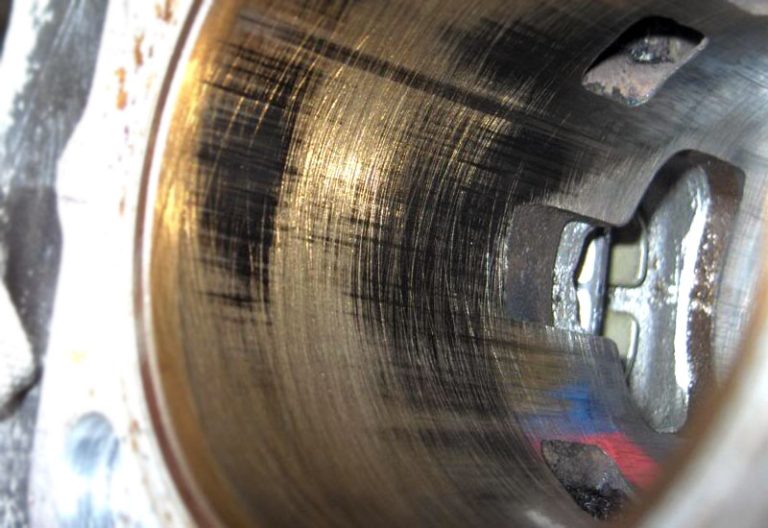
- Scoring of the cylinder wall, which reduces compression.
- Premature wear of piston rings, causing oil consumption and smoke.
- Potential catastrophic failure if a piston breaks loose.
A qualified technician can measure clearances with a bore gauge, check ring wear, and recommend either a rebuild or a replacement engine, depending on severity and budget.
Preventive Measures to Keep Your Engine Quiet
Maintenance is the most cost‑effective defense against piston slap. Adopt these habits:
- Stick to the oil change interval—don’t stretch it beyond the manufacturer’s recommendation.
- Use high‑quality oil that meets the API and ACEA specifications for your engine type.
- Warm up the engine for a minute or two before demanding hard acceleration, especially in cold climates.
- Schedule regular inspections of the timing chain, oil pump, and coolant system to catch early signs of wear.
By treating your engine with consistent care, you’ll reduce the likelihood of slap‑inducing wear and enjoy a smoother, quieter ride.
FAQ
Q: Is piston slap dangerous for my engine?
A: The noise itself isn’t immediately harmful, but it indicates excess clearance that can lead to wear on the cylinder wall and piston rings if left unchecked.
Q: Can I eliminate piston slap completely?
A: In some designs the slight clearance is intentional, so the sound may never vanish entirely. However, proper lubrication and timely repairs can minimize it to an innocuous level.
Q: How much does a piston slap repair usually cost?
A: Costs vary widely—replacing oil and filters is under $100, while a full piston‑and‑ring overhaul can range from $1,200 to $3,500 depending on labor rates and parts.
Q: Does using a higher‑viscosity oil always help?
A: A slightly thicker oil can dampen the noise, but it’s not a cure‑all. Using the correct grade for your engine and climate is more important than simply “thickening” the oil.






:max_bytes(150000):strip_icc():focal(2529x1438:2531x1440)/90-Day-Fiance-The-Other-Way-Sean-Joanne-4ebe4bd859284fd29c354c605bf1700b.jpg)