How to Master Speech in KS2 Newspaper Report Writing
Why Speech Matters in Young Reporters’ Pieces
When pupils in Key Stage 2 start shaping news stories, the inclusion of direct speech does more than add colour—it turns a bland recap into a lively snapshot of a real event. Teachers notice that children who sprinkle quotations throughout a report not only capture readers’ attention but also demonstrate a clearer grasp of who said what and why.
In practice, mastering speech means students can distinguish between the journalist’s voice and the voices of interviewees, a skill that underpins later work in both creative and factual writing.
Core Elements to Teach
Breaking the concept down into bite‑size chunks makes it easier for 7‑ to 11‑year‑olds to apply.
- Quotation marks: Show how they frame exact words, and contrast them with single apostrophes used for contractions.
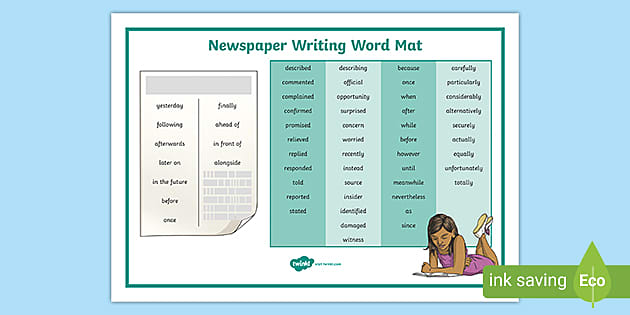
- Attribution tags: Simple verbs like said, explained or replied link speech back to a speaker.
- Punctuation inside quotes: Full stops, question marks or exclamation points belong inside the closing mark if they belong to the spoken words.
- Paragraph breaks: Each new speaker typically starts a fresh paragraph, helping the reader follow the exchange.
Step‑by‑Step Classroom Routine
Teachers who embed these steps into a regular writing cycle find that confidence grows steadily.
1. Model a Mini‑Report
Pick a recent school event—perhaps a sports day. Write a short newspaper‑style paragraph on the board, inserting a single quotation. Highlight the quotation marks and the attribution tag in a different colour.
2. Guided Practice with a Prompt
Hand out a worksheet that lists who was present, what they did, and a few possible things they might have said. Students fill in the speech bubbles, paying close attention to punctuation.
3. Peer Review Using a Checklist
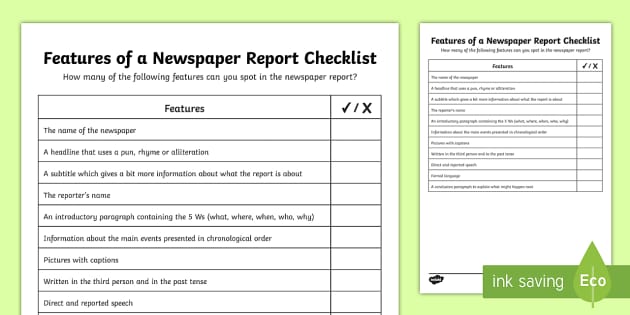
A quick checklist—“Are the quotation marks present? Does each quote have a clear speaker? Is punctuation correct?”—helps pupils spot errors before they become habits.
4. Publish in a Class “Newspaper”
Once the drafts pass the peer check, print them on coloured paper and display them on a bulletin board. Seeing their work in a real‑world format reinforces the purpose of accurate speech.
Common Mistakes and How to Fix Them
Even diligent students stumble. Here are the usual suspects and practical fixes.
- Missing quotation marks: Remind learners that the marks are like tiny speech bubbles—if the words are spoken, they need a bubble.
- Wrong placement of punctuation: Use a simple rule: if the punctuation is part of what was said, it stays inside; if it belongs to the surrounding sentence, it goes outside.
- Attribution tag after a question: When a quote ends with a question mark, the tag should follow the closing quotation mark, not the question mark. Example: “Did you enjoy the race?” she asked.
- Over‑quoting: Encourage students to quote only the most impactful or informative lines, keeping the article concise.
Integrating Speech Across the Curriculum
Speech isn’t a stand‑alone skill; it ties neatly into other KS2 objectives.
In history lessons, pupils can recreate a short news report about a local historical event, inserting imagined quotes from witnesses. In science, a mock press release about a classroom experiment can feature a teacher’s comment, reinforcing both factual reporting and proper speech usage.
Such cross‑subject applications cement the habit of thinking about who says what, making the skill feel essential rather than optional.
Assessing Mastery Without Stifling Creativity
When it comes to marking, a balanced rubric works best. Allocate points for accurate quotation marks, correct attribution, appropriate punctuation, and logical placement of speech within the narrative. Reserve a separate column for creativity, rewarding vivid, relevant quotes that enhance the story.
Providing exemplars—both strong and weak—gives students a concrete target without dictating exactly what their quotes must sound like.
FAQ
Q: How many quotations should a KS2 newspaper report contain?
A: There’s no strict rule, but two to three well‑chosen quotes usually provide enough voice without overcrowding the piece.
Q: Can indirect speech be used instead of direct quotes?
A: Yes, indirect speech is acceptable, especially when summarising a long conversation, but mixing both formats adds variety and keeps the article lively.
Q: What verb should I use for attribution if the speaker is a child?
A: Simple verbs like “said” or “asked” work well; avoid overly formal words that might feel out of place for a young interviewee.
Q: How can I help reluctant writers include speech?
A: Provide a “quote bank” of starter phrases or let them record a short interview with a peer first, then transcribe the most interesting lines.