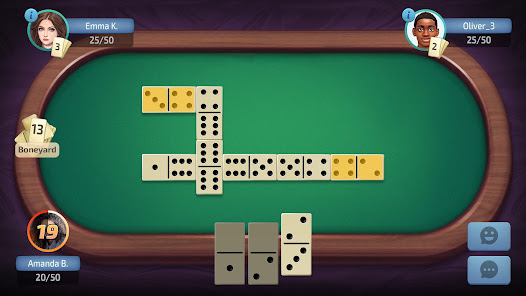
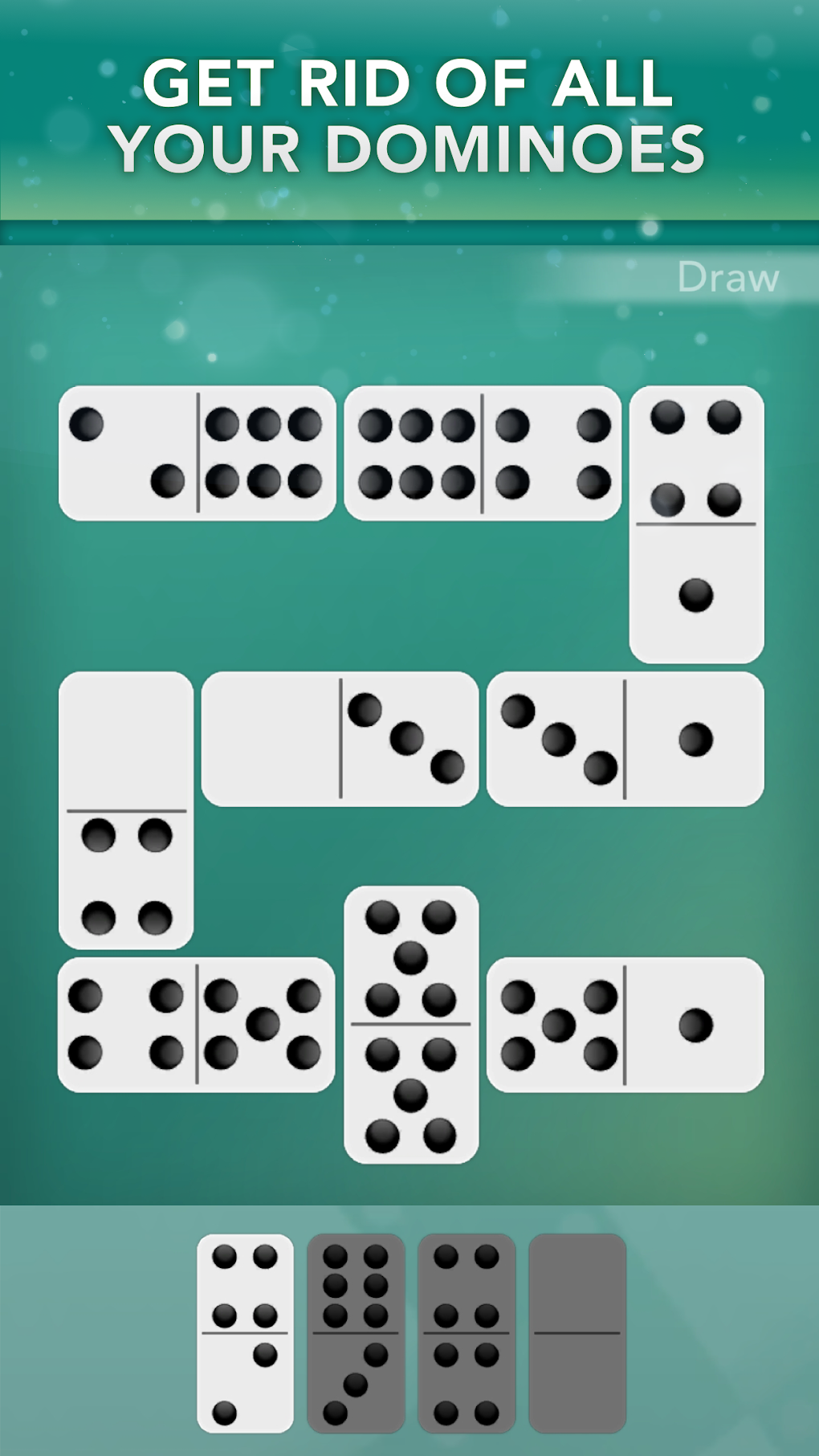
How to Play Dominoes Online with Friends: A Beginner’s Guide
If you’ve ever wanted to play dominoes online with friends but weren’t sure where to start, you’re in the right place. The digital world has turned this classic tabletop game into a click‑away pastime that works whether you’re across the street or across the globe. In this guide we’ll walk through picking a platform, setting up a private match, brushing up on the basic rules, and sprinkling in a few beginner‑friendly strategies. By the end, you’ll be ready to shuffle virtual tiles and enjoy a lively game night without ever leaving your couch.
Why Play Dominoes Online?
Traditional dominoes demands a flat surface, a set of tiles, and a group of people willing to sit together. Online versions eliminate those logistical hurdles. You can launch a game from a smartphone during a lunch break, or host a marathon session while streaming on a laptop. Moreover, many platforms automatically enforce the rules, keep score, and even offer built‑in chat so the social element stays intact. The convenience of instant matchmaking also means you can practice solo against AI before inviting friends to a more competitive round.
Choosing the Right Platform
Not all domino sites are created equal. Look for platforms that support private rooms, have a clear user interface, and run on the devices your group prefers. Popular choices include:
- Dominoes Pro – a web‑based service with customizable rules and a simple invite link.
- PlayDomino – a mobile app that lets you sync across iOS and Android.
- Tabletopia – a virtual board‑game sandbox where you can import classic domino sets.
Take a quick tour of each option; most offer free trials, so you can see which feels most intuitive before committing to a paid subscription.
Setting Up a Game with Friends
Once you’ve settled on a platform, creating a private match is usually a three‑step process:
- Start a new room. Click the “Create Game” button and select the domino variant you prefer—double‑six is the most common for beginners.
- Invite your friends. Share the generated link or room code via text, email, or a group chat. Some apps even integrate directly with Discord or Facebook for seamless invites.
- Configure settings. Decide whether you want a timed turn, scoring style (points vs. hands), or any house rules you’ve agreed on.
When everyone has joined, the platform will usually shuffle the tiles automatically and deal them out. From there, you’re ready to play.
Basic Rules Refresher
Even if you’ve handled a physical set before, a quick recap helps avoid confusion when the game runs on a screen.
- The set consists of 28 tiles, each marked with two numbers ranging from 0 (blank) to 6.
- At the start, each player draws a hand—typically seven tiles for two‑player games, five for larger groups.
- The first tile placed must contain the double six if it’s in anyone’s hand; otherwise, the highest double starts.
- Players take turns adding a tile that matches one of the open ends of the layout. If you can’t play, you draw from the boneyard until you find a match or the boneyard is empty.
- The round ends when a player empties their hand or no moves remain. Scores are tallied based on the total pip count left in opponents’ hands.
Most online versions calculate scores automatically, so you can focus on strategy rather than arithmetic.
Strategies for New Players
Winning at dominoes isn’t just about luck; a few simple tactics can give you a leg up.
- Control the board. Aim to keep the ends of the layout at numbers you hold multiple tiles of. This forces opponents to draw more often.
- Watch the boneyard. Pay attention to which numbers have been played. If many high‑value tiles are already on the table, low tiles become more valuable for scoring.
- Save your doubles. Holding onto a double can act as a “wildcard” later, letting you pivot the direction of play when needed.
- Balance aggression and defense. Early in the game, focus on shedding high‑pip tiles to minimize potential points against you. Near the end, shift to blocking opponents’ moves.
Practice these ideas in a few casual matches; the patterns will become second nature.
Keeping the Game Fun and Fair
Online play can sometimes feel impersonal, but a few etiquette tips keep the experience enjoyable for everyone.
- Use the chat responsibly—light banter is welcome, but avoid excessive teasing that might distract.
- Respect turn timers if the platform enforces them; a quick “thinking…” message can signal you’re still engaged.
- If a technical glitch occurs, pause the game and agree on a fair resolution—most services let you restart the round without penalty.
- Celebrate wins modestly and acknowledge good moves from opponents. Positive reinforcement makes friends more likely to join future sessions.
FAQ
Do I need to download software to play dominoes online? Most modern platforms work directly in a web browser, though many also offer optional mobile apps for smoother performance.
Can I customize the rules for a private game? Yes—most services let you adjust tile sets, scoring methods, and turn timers, so you can recreate house rules from your favorite physical games.
What if a friend has a slow internet connection? Choose a platform with low latency and an “offline” mode that lets players make moves locally while the game syncs when the connection improves.