How TRH Influences Prolactin: The Hormonal Link Explained
When you hear the acronyms TRH and prolactin, you might picture a tangled web of hormones that only endocrinologists truly grasp. In reality, the relationship is surprisingly straightforward: TRH, short for thyrotropin‑releasing hormone, can nudge the pituitary gland to release prolactin, the hormone most famous for stimulating milk production. Understanding this connection helps explain why certain medications, stressors, or thyroid disorders ripple through the body in unexpected ways. Let’s untangle the basics and see what the science says.
What Is TRH and How Does It Work?
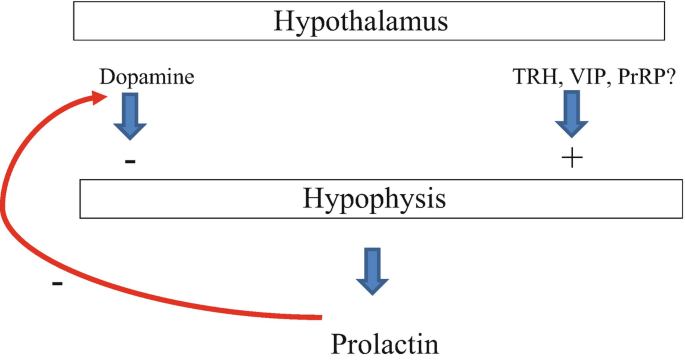
TRH is a tripeptide produced by neurons in the hypothalamus. Its primary job is to travel down the portal blood vessels to the anterior pituitary, where it binds to specific receptors and triggers the secretion of thyroid‑stimulating hormone (TSH). Think of TRH as a messenger that says, “Hey, the thyroid needs a boost.” While its main target is TSH, the same receptors can also influence other pituitary cells, including those that make prolactin.
Because TRH is a small peptide, it’s quickly broken down by enzymes once it has done its job. This rapid turnover ensures that the hormone’s effects are tightly regulated, preventing runaway stimulation of the thyroid or other glands.
Prolactin: Functions Beyond Lactation
Most people associate prolactin with breastfeeding, but the hormone has a broader portfolio. It participates in immune regulation, osmoregulation, and even influences mood and reproductive behavior. In men, prolactin helps modulate testosterone production, while in women it plays a subtle role in the menstrual cycle.
Elevated prolactin—known as hyperprolactinemia—can cause symptoms like irregular periods, infertility, or unwanted breast milk production (galactorrhea). Conversely, low prolactin levels are rare but may affect the ability to sustain milk supply after childbirth.
The Physiological Bridge: How TRH Stimulates Prolactin Release
When TRH binds to its receptors on pituitary lactotroph cells, it initiates a cascade that raises intracellular calcium levels. This calcium surge prompts the cells to exocytose stored prolactin into the bloodstream. The effect is dose‑dependent: a modest bump in TRH can nudge prolactin slightly higher, while a larger surge—such as that seen during acute hypothyroidism—can cause a more noticeable rise.
Why does the body link these two hormones? One theory is that thyroid hormones and prolactin often need to act in concert during reproductive phases. For example, early pregnancy demands both a well‑functioning thyroid to support metabolic changes and sufficient prolactin to prepare the mammary glands. The TRH‑prolactin axis offers a built‑in coordination mechanism.
Clinical Relevance: Disorders Involving the TRH‑Prolactin Axis
Hypothyroidism is the classic condition where TRH‑induced prolactin elevation shows up. An underactive thyroid fails to produce enough thyroxine (T4), which removes the negative feedback on the hypothalamus. The hypothalamus responds by releasing more TRH, and the excess TRH can push prolactin levels up. Patients may present with menstrual disturbances or galactorrhea even though their primary issue is thyroid‑related.
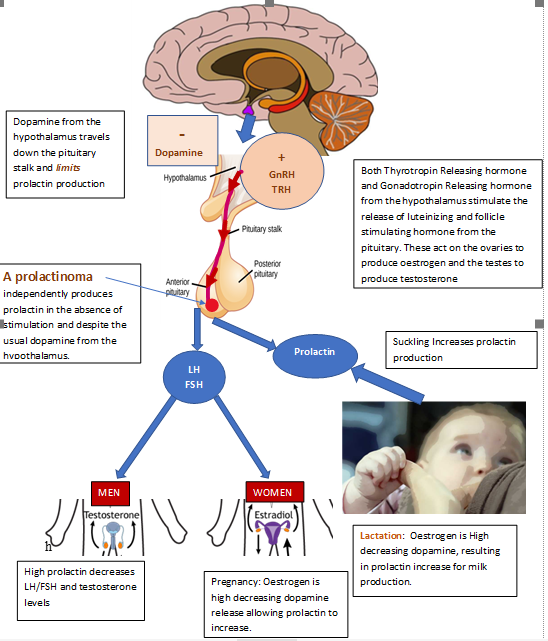
Certain medications—particularly antipsychotics and antidepressants that block dopamine receptors—also raise prolactin. Dopamine normally inhibits prolactin release, so when its action is dampened, any TRH‑driven stimulation becomes more pronounced. Clinicians often monitor prolactin when prescribing these drugs, especially if patients report related symptoms.
Rare pituitary adenomas (prolactin‑secreting tumors, or prolactinomas) can produce high prolactin independent of TRH. However, even in these cases, fluctuations in TRH may still modulate the tumor’s output, adding a layer of complexity to treatment planning.
Managing the Interaction: Practical Tips
- Check thyroid function when unexplained hyperprolactinemia appears. Treating hypothyroidism often normalizes prolactin levels without additional medication.
- Review current drugs for dopamine‑blocking effects. Switching to a medication with a lower propensity to raise prolactin can alleviate symptoms.
- Consider stress reduction techniques. Acute stress can transiently raise TRH and, consequently, prolactin, so relaxation strategies may have modest hormonal benefits.
Frequently Asked Questions
Can stress cause a temporary rise in prolactin via TRH?
Yes. Acute stress triggers the hypothalamic‑pituitary‑adrenal (HPA) axis, which can increase TRH release. The resulting calcium surge in lactotrophs may lift prolactin levels for a short period.
Do thyroid medications affect prolactin?
When levothyroxine restores normal thyroid hormone levels, the negative feedback on TRH usually normalizes, which often leads to a reduction in prolactin if the elevation was thyroid‑driven.
Which drugs are most likely to interfere with the TRH‑prolactin link?
Typical culprits include risperidone, haloperidol, and certain selective serotonin reuptake inhibitors (SSRIs). They block dopamine’s inhibitory effect on prolactin, allowing TRH‑mediated stimulation to become more evident.
Is there a direct test for TRH activity?
Clinically, TRH stimulation tests are rarely used today because they are cumbersome. Instead, doctors infer TRH activity by measuring TSH, thyroid hormones, and prolactin together.