Inside AMD Ryzen: Specs, Performance, and What Sets It Apart
Why AMD Ryzen Matters in Today’s PC Landscape
When you hear “AMD Ryzen,” you’re hearing a brand that has reshaped the mainstream desktop market over the last few years. From the original Zen cores to the latest Zen 4 silicon, each generation has pushed the envelope on core density, power efficiency, and raw speed. If you’re building a gaming rig, a workstation, or just upgrading a tired system, understanding the nuts and bolts behind the name helps you match the right chip to your workload.
Key Specifications of Modern Ryzen Processors
- Architecture: Zen 3 and Zen 4 designs, built on TSMC’s 7 nm (Zen 3) and 5 nm (Zen 4) processes, bring tighter instruction pipelines and larger L3 caches.
- Core/Thread Count: Ranges from 4‑core/8‑thread “Ryzen 3” parts up to 16‑core/32‑thread “Ryzen 9” models.
- Cache Hierarchy: Each core typically gets 32 KB L1 instruction and 32 KB L1 data, paired with a 512 KB L2 cache. Zen 3 introduced a unified 8‑MB L3 per CCD (core complex die), while Zen 4 expands that to 16 MB in higher‑end SKUs.
- Memory Support: DDR4‑3200 is standard on Zen 3, whereas Zen 4 steps up to DDR5‑5600, offering higher bandwidth for memory‑intensive tasks.
- PCIe Lanes: Zen 3 chips ship with PCIe 4.0 x16 lanes; Zen 4 moves to PCIe 5.0, doubling potential throughput for GPUs and NVMe SSDs.
- TDP (Thermal Design Power): Consumer parts sit between 65 W and 105 W, with the “HX” series for laptops pushing 45 W‑65 W ranges to balance performance and thermals.
How Ryzen’s Architecture Drives Real‑World Speed
Zen’s biggest selling point is its ability to do more work per clock tick. The shift to a 7‑nm node trimmed the distance signals travel, shaving nanoseconds off latency. Coupled with a larger, smarter L3 cache, the cores spend less time waiting on data, which translates into smoother frame rates in games and faster render times in creative apps.
In practice, a Ryzen 7 5800X can often match or exceed an Intel Core i7 of the same generation in multi‑threaded benchmarks, while staying a few watts cooler. The gain isn’t just raw clock speed—it’s the combination of higher instructions‑per‑cycle (IPC) and efficient power gating that lets the chip scale up when needed without spiking temperatures.
Gaming Performance: What to Expect
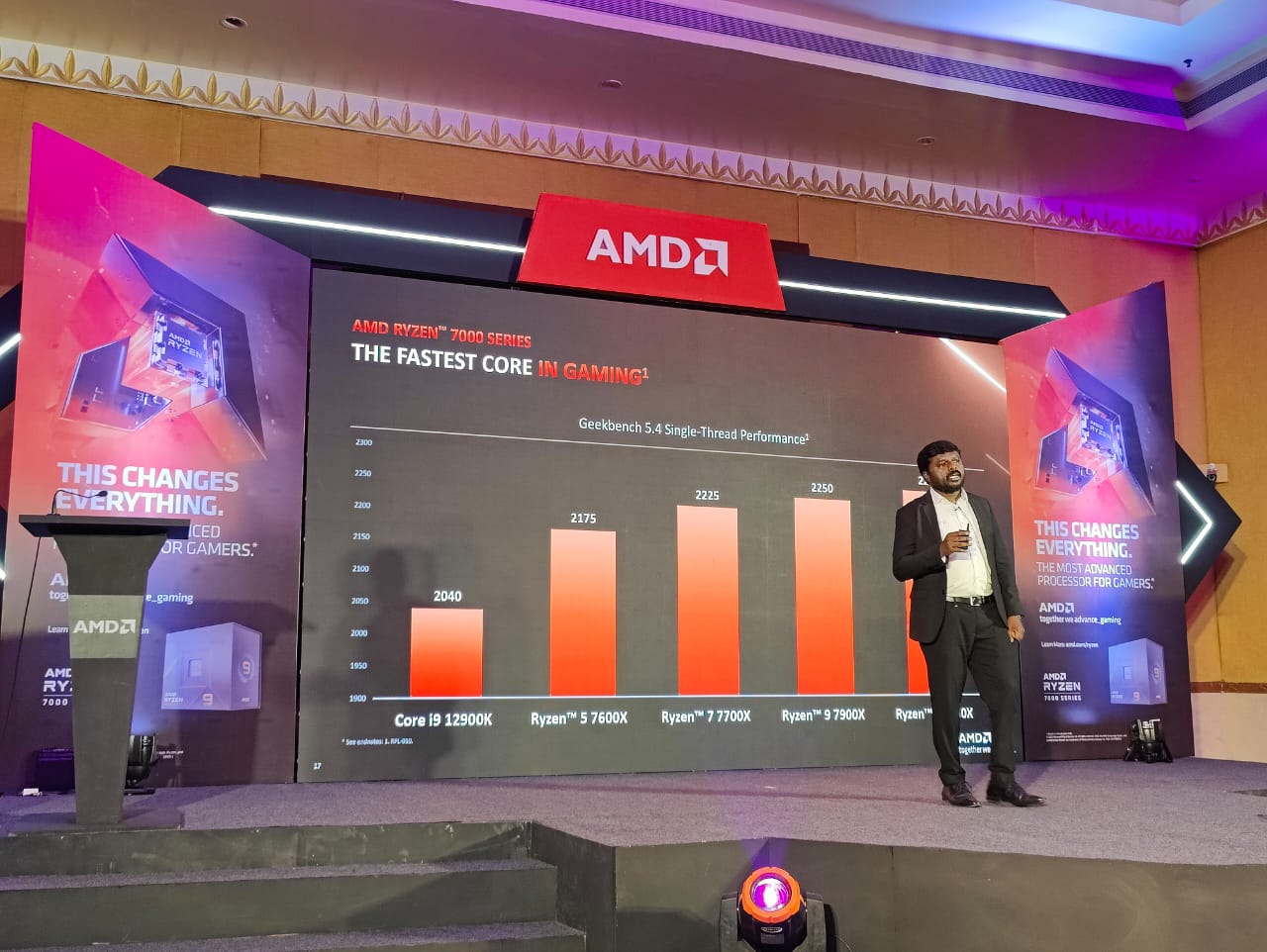
For most modern titles, the difference between a high‑end Ryzen and its Intel counterpart comes down to two factors: core count and clock speed. Games that lean heavily on a single thread still favor higher boost clocks, but the latest Zen 4 chips routinely reach 5.5 GHz boost, narrowing that gap.
Because many games now support multi‑core workloads—think large open‑world environments and physics simulations—a 12‑core Ryzen 9 7950X can deliver 10‑15 % higher average frame rates than an eight‑core Intel i9 of the same era, especially at 1440p and 4K where CPU bottlenecks are less pronounced.
Productivity and Content Creation
Video editors, 3‑D renderers, and data scientists benefit from Ryzen’s abundant cores and sizable caches. When Adobe Premiere or Blender distributes tasks across threads, the 32‑thread Ryzen 9 7950X often slashes rendering times compared with a similarly priced Intel chip that offers fewer threads.
Additionally, the DDR5 support on Zen 4 reduces memory stalls during large‑scale simulations, which is noticeable in applications like MATLAB or large‑scale game asset pipelines.
Overclocking: Pushing the Limits
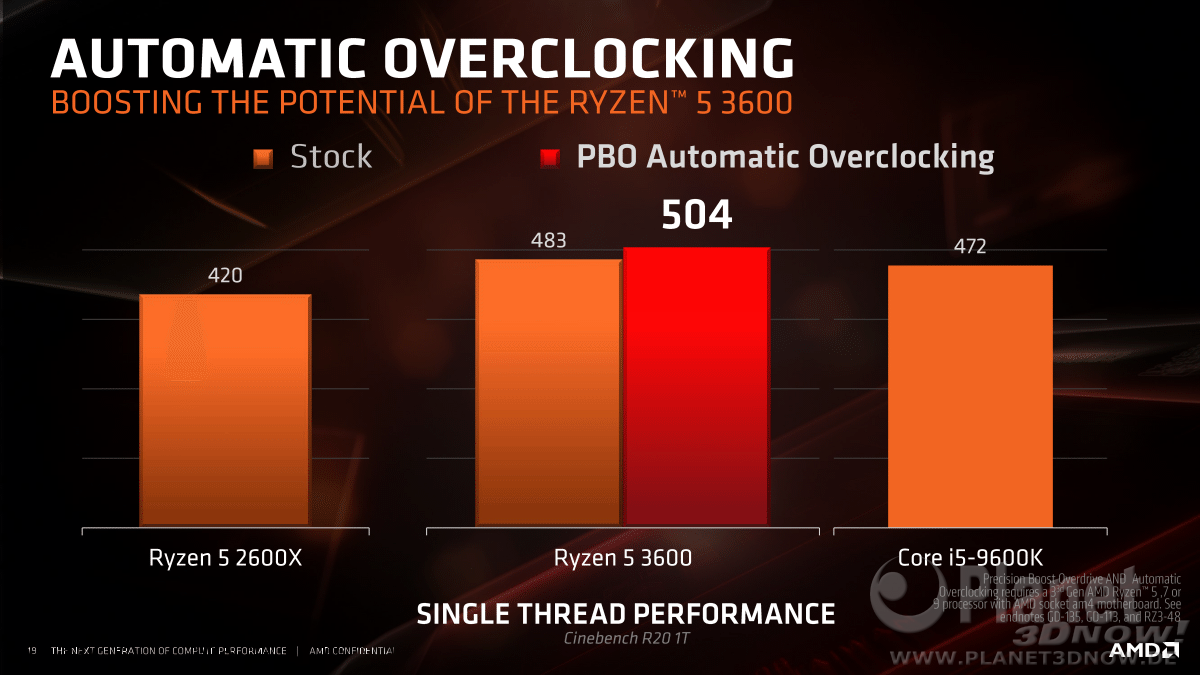
AMD’s “Precision Boost” and “XFR” (Extended Frequency Range) automatically raise clock speeds when thermal headroom permits. Enthusiasts can take advantage of the “Curve Optimizer” feature in Ryzen Master to fine‑tune voltage‑frequency curves, often achieving 100‑200 MHz over the stock boost without extra cooling.
That said, the real‑world upside varies. A well‑cooled 5600X might hit 4.9 GHz, but the performance delta over the default 4.7 GHz is usually a modest 2‑3 % in gaming, while multi‑threaded workloads can see up to 7 % gains.
Comparing Ryzen to Intel: Where the Balance Shifts
Intel’s recent Alder Lake and Raptor Lake CPUs have closed the IPC gap, but they often come with higher power draws and a more complex hybrid core design. Ryzen sticks to a homogeneous core layout, which simplifies software scheduling and offers more predictable performance scaling across the board.
Pricing also leans in AMD’s favor; a Ryzen 5 5600 often undercuts an Intel i5 of similar performance by 10‑15 %, making it a popular choice for budget‑conscious builders.
The Road Ahead: What Future Ryzen Chips Might Bring
AMD’s roadmap hints at further shrinkage to a 3 nm process for the next Zen 5 generation, potentially unlocking even higher clock speeds and lower power envelopes. Expect continued expansion of AI‑accelerated instructions, which could give Ryzen an edge in machine‑learning workloads without needing a dedicated GPU.
As DDR5 becomes mainstream, Ryzen’s early adoption will likely make the transition smoother for users upgrading from older platforms, especially when paired with PCIe 5.0 graphics cards that can finally leverage the bandwidth.
Frequently Asked Questions
- What is the main difference between Ryzen 5 5600X and Ryzen 5 5600? The “X” variant sports a higher boost clock and an unlocked multiplier for overclocking, while the non‑X model typically has a lower TDP and slightly reduced base speed.
- Can I use DDR4 RAM with a Zen 4 processor? Officially, Zen 4 CPUs are paired with DDR5‑compatible motherboards. While some early‑release boards offered DDR4 support, they are rare and not recommended for optimal performance.
- Is Ryzen worth it for a pure gaming PC? If you target 1080p or 1440p gaming and want a balanced price‑to‑performance ratio, a Ryzen 5 or Ryzen 7 chip delivers strong frame rates and leaves room for future upgrades.
- How does Ryzen’s power consumption compare to Intel’s latest chips? Generally, Ryzen maintains a lower TDP at similar performance levels, especially on the 7 nm and 5 nm nodes, which translates to cooler operation and quieter builds.