Inside the UK's Intensive Chicken Farming: What You Need to Know
Intensive chicken farming in the UK has become a cornerstone of the nation’s food supply, delivering cheap protein to supermarkets and restaurants alike. Yet behind the tidy rows of cages and automated feed lines lies a complex web of animal welfare debates, environmental pressures, and regulatory challenges. This article pulls back the curtain to examine how the system works, why it matters, and where it might be heading.
Intensive Chicken Farming in the UK: How It Works
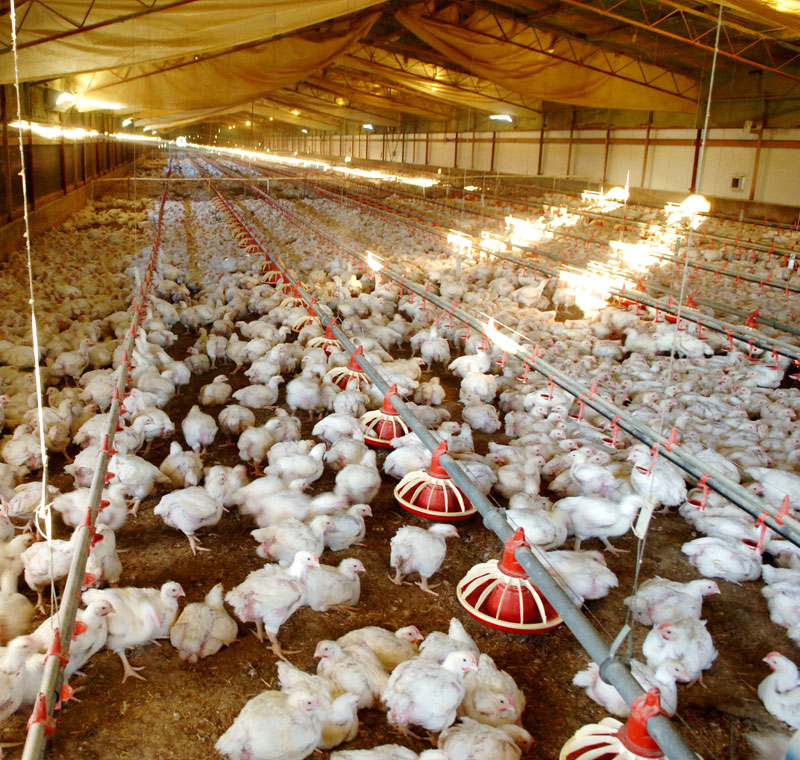
Modern operations rely on a tightly controlled production cycle that can stretch from hatch to slaughter in just six weeks. Day‑old chicks arrive in climate‑controlled sheds, where automated drinkers, feeders, and lighting schedules keep growth rates high. Workers monitor temperature, humidity, and bird health through digital dashboards, adjusting conditions to maximise feed conversion efficiency.
Most farms operate under a “broiler” model, raising birds primarily for meat. The birds are typically kept at high densities—often more than 30 kilograms of live weight per square metre—to optimise space usage. While this approach drives down costs, it also raises questions about the birds’ ability to express natural behaviours.
Animal Welfare Concerns
Critics argue that the cramped environment limits movement, leading to leg problems, heart strain, and increased susceptibility to disease. The UK’s Department for Environment, Food & Rural Affairs (Defra) mandates a minimum space allowance, yet many welfare groups say the standards fall short of what chickens need to thrive.
- Reduced ability to perch or stretch wings.
- Higher incidence of footpad dermatitis and hock burns.
- Stress from constant artificial lighting, which can disrupt circadian rhythms.
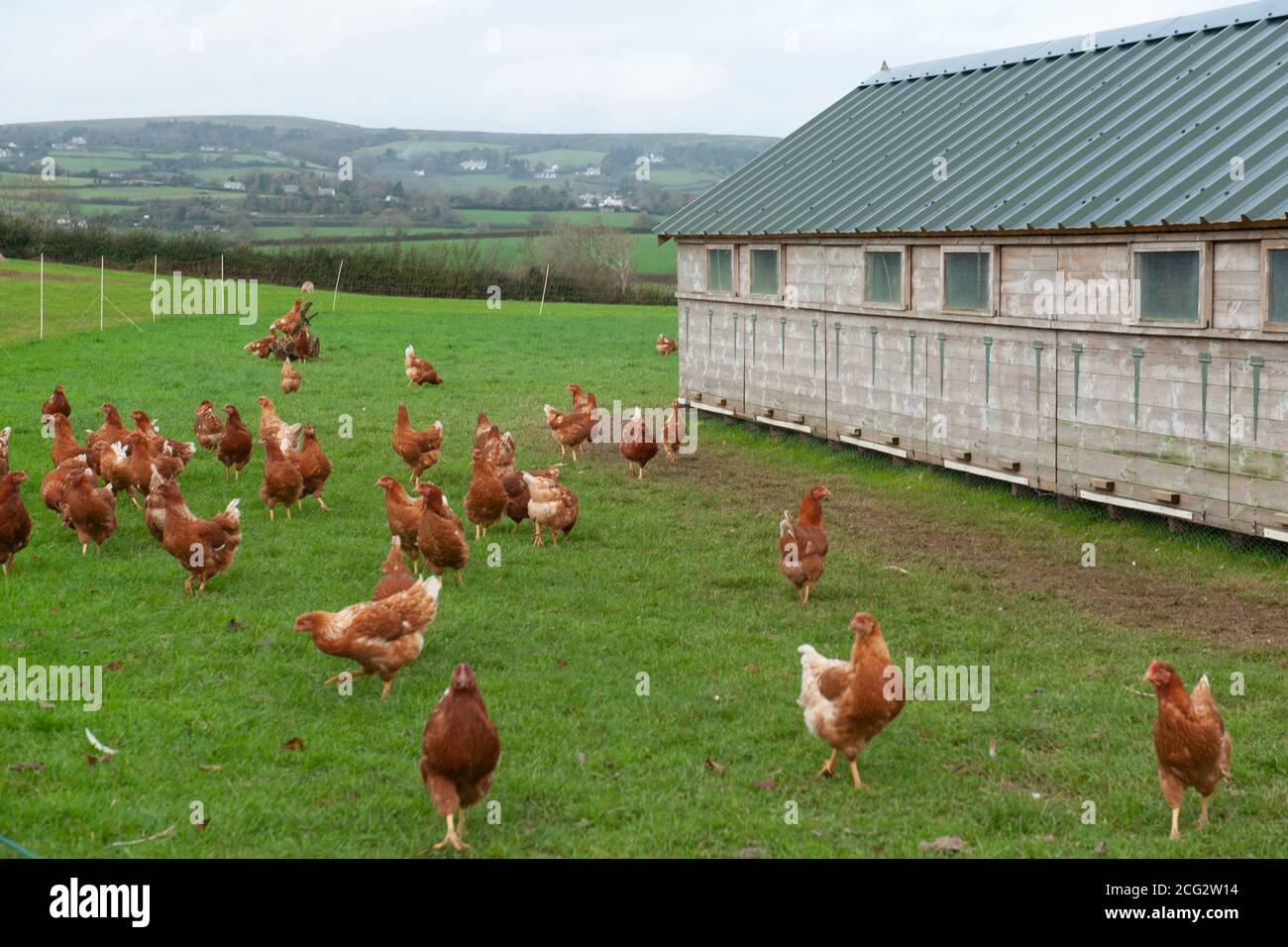
Some farms are transitioning to “enriched” cages or free‑range systems, but these alternatives often carry a higher price tag, limiting their market penetration.
Environmental Impact
Raising tens of millions of birds each year leaves a notable ecological footprint. The biggest concerns revolve around waste management, greenhouse‑gas emissions, and land use. Manure from densely packed sheds can leach nitrogen into waterways, contributing to algal blooms.
According to recent industry reports, broiler production accounts for roughly 3 % of the UK’s total agricultural greenhouse‑gas output. While this figure is lower than that of ruminant livestock, it still represents a significant source of methane and nitrous oxide, especially when feed conversion rates are less efficient.
Regulation and Oversight
UK law requires intensive farms to comply with the Animal Welfare Act 2006, the Welfare of Farmed Animals (England) Regulations 2007, and specific codes of practice issued by Defra and the Food Standards Agency (FSA). Inspections are carried out by veterinary officers who assess housing conditions, health records, and biosecurity measures.
In the wake of several high‑profile disease outbreaks—most notably avian influenza in 2022—regulators have tightened biosecurity protocols. Farms now must implement stricter visitor controls, disinfectant stations, and regular testing to prevent pathogen spread.
Economic Role and Market Dynamics
The intensive sector supplies over 80 % of the chicken meat consumed in the UK, supporting a supply chain that includes hatcheries, feed manufacturers, transport firms, and retail outlets. The industry generates roughly £4 billion in annual revenue and employs tens of thousands of workers, many in rural communities.
Price volatility can be driven by feed costs, which are linked to global grain markets, and by consumer shifts toward higher‑welfare or plant‑based alternatives. Some supermarkets have begun labelling chicken products with welfare grades, nudging producers toward incremental improvements.
Future Trends and Alternatives
Technology is poised to reshape intensive farming. Precision‑feeding algorithms, sensor‑driven health monitoring, and automated litter management promise to boost efficiency while potentially easing some welfare concerns. Meanwhile, the rise of cellular agriculture—lab‑grown chicken meat—offers a long‑term alternative that could sidestep many of the ethical and environmental issues.
Public sentiment is also evolving. Surveys suggest a growing segment of UK shoppers are willing to pay a premium for ethically produced poultry, prompting a slow but noticeable shift toward mixed‑system models that combine intensive efficiency with higher welfare standards.
FAQ
What defines “intensive” chicken farming?
Intensive farming refers to high‑density production where birds are kept in confined indoor environments, with automated feeding, lighting, and climate control designed to maximise growth rates.
Are there legal limits on how many chickens can be kept per square metre?
Yes. UK regulations set a minimum space allowance of 0.08 square metres per bird for broilers, though many welfare advocates argue this is still too low for natural movement.
How does intensive chicken farming affect the environment compared to free‑range?
Intensive systems generate more concentrated waste, which can lead to nutrient runoff, but they generally use less land overall. Free‑range farms spread waste over larger areas, potentially reducing water contamination but requiring more space.
Can consumers identify higher‑welfare chicken products?
Many retailers now label products with welfare grades or certifications such as “RSPCA Assured.” Looking for these labels can help buyers choose poultry raised under stricter welfare standards.