IT Job Titles Explained: Your Guide to Tech Roles
When you start scrolling through a tech‑company’s careers page, the sheer variety of titles can feel overwhelming. From “Junior Developer” to “Chief Information Security Officer,” each label hints at a distinct set of responsibilities, required skills, and career trajectories. Understanding these nuances not only helps job seekers match their experience to the right posting, but it also assists hiring managers in crafting clear, appealing listings.
Understanding Common IT Job Titles
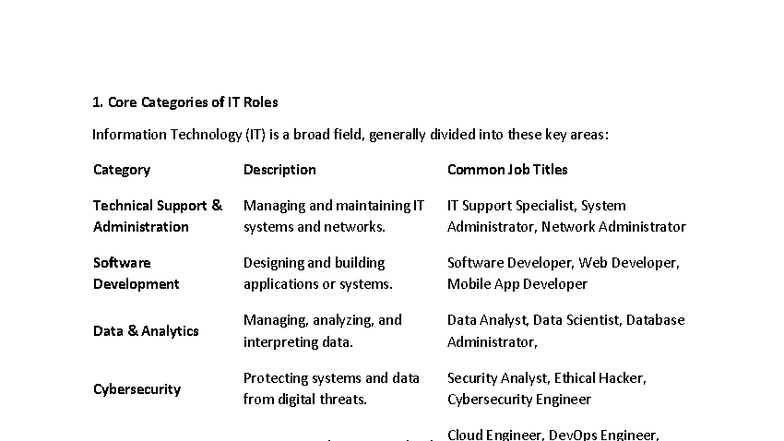
At a glance, IT job titles fall into three broad buckets: entry‑level, mid‑level, and senior or specialized. The division isn’t rigid—some organizations blend roles or use creative branding—but the core duties usually align with these tiers.
Entry‑Level Roles
- Help Desk Technician – First point of contact for user issues, handling tickets, password resets, and basic troubleshooting.
- Junior Developer – Writes and tests code under supervision, often focusing on bug fixes or small feature enhancements.
- IT Support Analyst – Similar to a help desk technician but may also manage hardware inventories and perform routine system monitoring.
- Network Assistant – Assists senior network engineers with cabling, device configuration, and documentation.
These positions typically require a foundational certification (like CompTIA A+ or an introductory programming bootcamp) and a willingness to learn on the job.
Mid‑Level Positions
- Systems Administrator – Oversees servers, virtual machines, and cloud resources; ensures uptime and security patches.
- Software Engineer – Designs, develops, and maintains applications, often participating in code reviews and architectural discussions.
- Network Engineer – Configures routers, switches, and firewalls; optimizes network performance and plans capacity upgrades.
- Database Administrator (DBA) – Manages relational databases, writes queries, and safeguards data integrity.
- Cybersecurity Analyst – Monitors threats, investigates incidents, and implements preventive controls.
Mid‑level titles usually expect a few years of hands‑on experience, plus deeper knowledge of specific platforms—Windows Server, Linux, AWS, or Azure, for example.
Senior & Specialized Titles
- IT Manager – Leads a team of technicians or engineers, sets budgets, and aligns technology strategy with business goals.
- Solutions Architect – Designs end‑to‑end systems, bridging business requirements with technical implementation.
- DevOps Engineer – Automates deployment pipelines, integrates development and operations, and focuses on reliability.
- Chief Information Officer (CIO) – Sets the overall technology vision for an organization, reporting directly to the executive board.
- Data Scientist – Extracts insights from large datasets using statistical models and machine learning.
These senior roles often demand proven leadership, strategic thinking, and sometimes advanced degrees or industry‑specific certifications.
Why Job Titles Matter in Your Career Path
Beyond semantics, titles affect salary benchmarks, promotion pathways, and even the type of projects you’ll encounter. A “Software Engineer II” at a large enterprise might earn a comparable salary to a “Senior Developer” at a startup, yet the expectations around mentorship and system ownership could differ dramatically. Knowing the typical scope of each title helps you set realistic goals and negotiate more effectively.
Tips for Navigating IT Job Titles
1. Look beyond the headline. Read the full job description. A “Network Engineer” in a cloud‑focused firm might spend most of their time managing virtual networks, while the same title in a traditional telecom could involve physical cabling work.
2. Map titles to skill sets. Use sites like LinkedIn or Glassdoor to see common qualifications listed under each role. This can highlight gaps in your résumé you may need to fill with coursework or certifications.
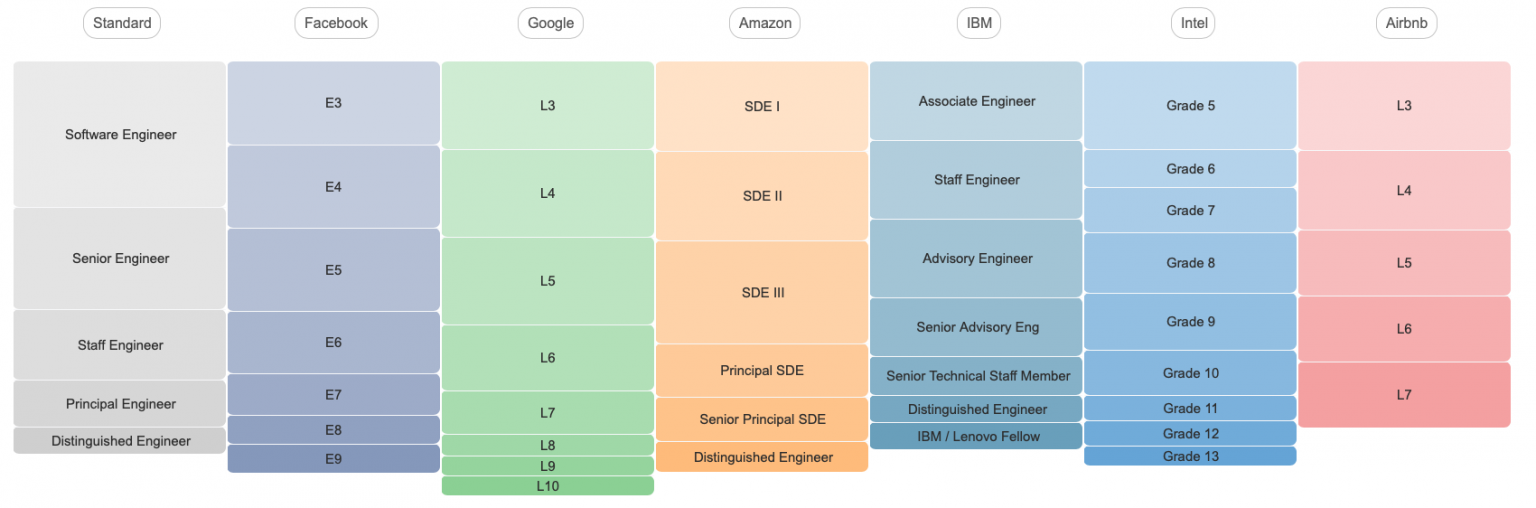
3. Pay attention to seniority modifiers. Terms such as “Junior,” “Associate,” “Lead,” or “Principal” indicate where a position sits on the experience ladder. They’re often more telling than the base title alone.
4. Consider industry context. Healthcare, finance, and gaming each have niche IT roles—think “Clinical Informatics Specialist” or “Game Engine Programmer.” Tailoring your search to the sector can surface titles you might otherwise overlook.
5. Keep an eye on emerging titles. The tech landscape evolves quickly. Roles like “Machine Learning Engineer,” “Site Reliability Engineer (SRE),” or “Cloud FinOps Analyst” have only become mainstream in the past few years but now carry significant weight in many job markets.
Building a Roadmap from Entry to Executive
Start by mastering the fundamentals: troubleshooting, scripting, and basic networking. Once comfortable, specialize—pick a language, a cloud platform, or a security domain—and seek out projects that let you apply that focus. As you accumulate achievements, aim for titles that reflect added responsibility, such as “Lead Developer” or “IT Project Manager.” Finally, blend technical expertise with business acumen to qualify for executive roles like CIO or CTO.
Frequently Asked Questions
What’s the difference between a “Software Engineer” and a “Developer”?
There’s no universal standard. In many companies, “Software Engineer” implies involvement in system design and architecture, while “Developer” may focus more on writing code for specific features. However, the terms are often used interchangeably, so always check the job description for specifics.
Do certifications matter for senior IT titles?
They can help, especially in fields like cybersecurity (CISSP) or cloud computing (AWS Certified Solutions Architect). Still, proven experience, leadership ability, and a track record of delivering complex projects typically outweigh a certificate alone at senior levels.
How can I transition from a help desk role to a development position?
Begin by learning a programming language relevant to your target industry—Python, JavaScript, or Java are common choices. Build a portfolio of small projects, contribute to open‑source, and consider internal transfer programs that let you shadow developers while still supporting users.
Are “DevOps Engineer” and “Site Reliability Engineer” the same?
They overlap but differ in emphasis. DevOps focuses on streamlining the software delivery pipeline, while SRE concentrates on maintaining system reliability and performance, often using Google’s SRE principles. Both require strong automation skills.