Master Pro-Level Volleyball Spiking Techniques
Want to hit the ball so hard it rattles the net and forces the defense into a scramble? The secret isn’t just raw strength; it’s a blend of footwork, timing, and body mechanics that elite players have honed over countless hours. Below you’ll find a step‑by‑step breakdown of the spiking fundamentals that separate a casual hitter from a true pro.
Read the Defense and Choose Your Approach
Before you even think about jumping, you need a clear picture of the blockers and the back‑row coverage. Scan the front row, note which player is setting the block, and decide whether a cross‑court or line attack gives you the best angle. A smart approach forces the defense to shift, opening a gap for your spike.
Set Up the Approach Footwork
The classic three‑step approach (left‑right‑left for right‑handed attackers, mirrored for left‑handed) creates forward momentum and aligns your hips toward the target. Start with a small, controlled step, then explode into a longer second step to generate speed. The final “plant” step should be firm, with your toes pointing slightly outward to give the ankle a stable base for the jump.
Generate Power with a Full‑Body Swing
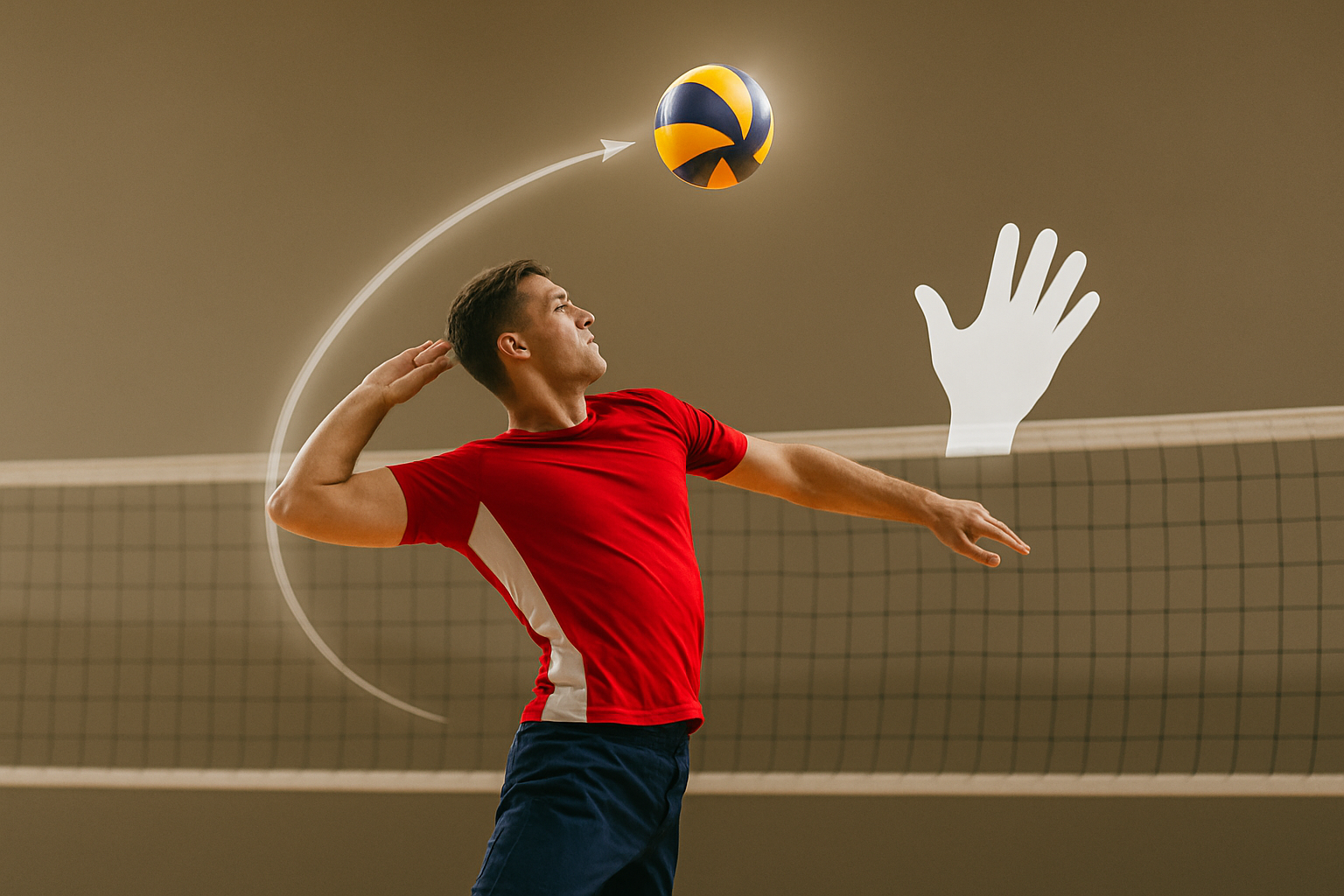
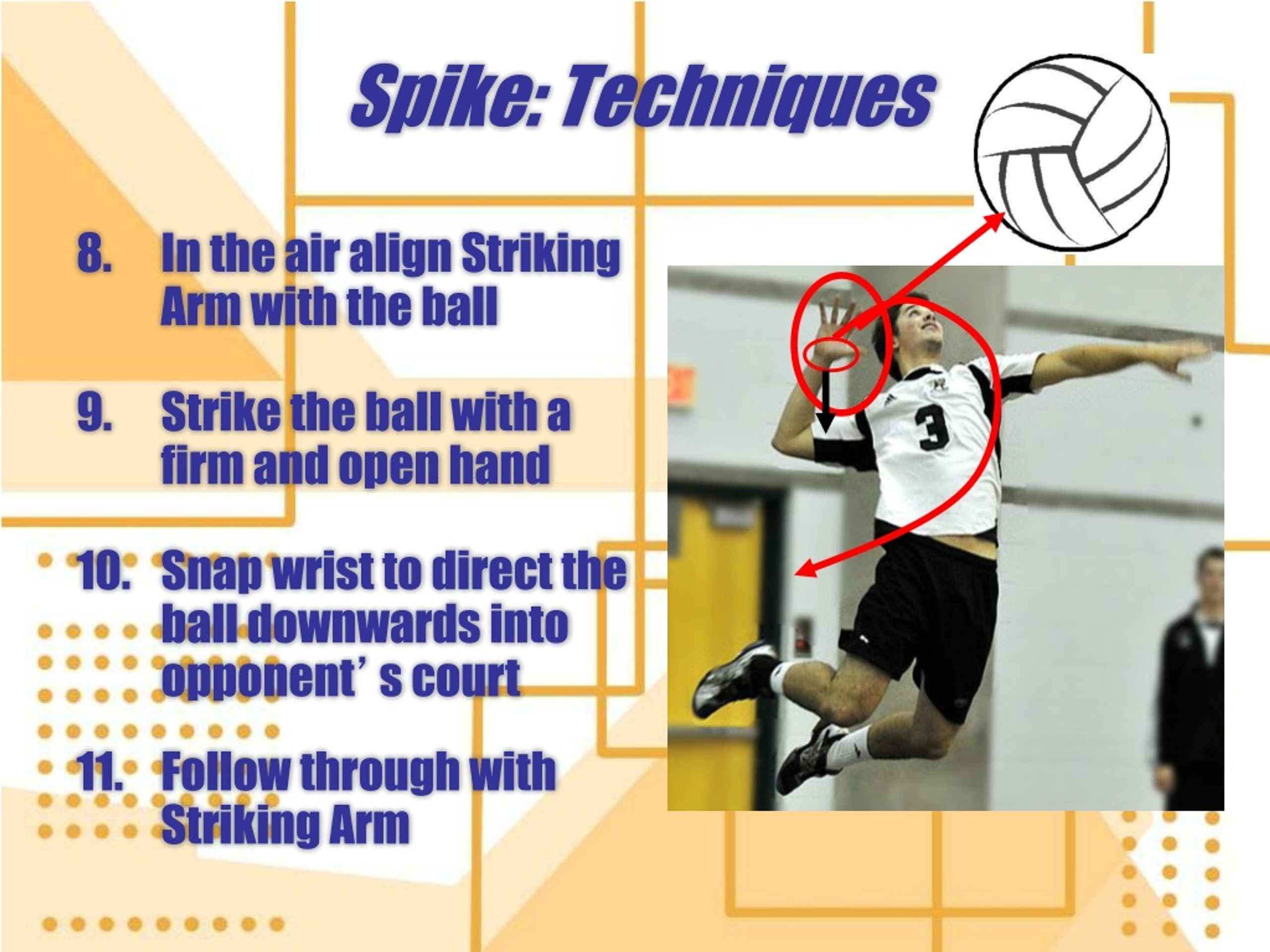
Power in a spike comes from the kinetic chain, not just the arm. As you plant, swing your non‑hitting arm forward like a pendulum; this counter‑balance stores energy in the shoulder and torso. At the peak of the jump, rotate your hips and torso sharply toward the net, then snap your hitting arm overhead. The wrist flick at contact adds the final burst of speed.
Timing the Contact Point
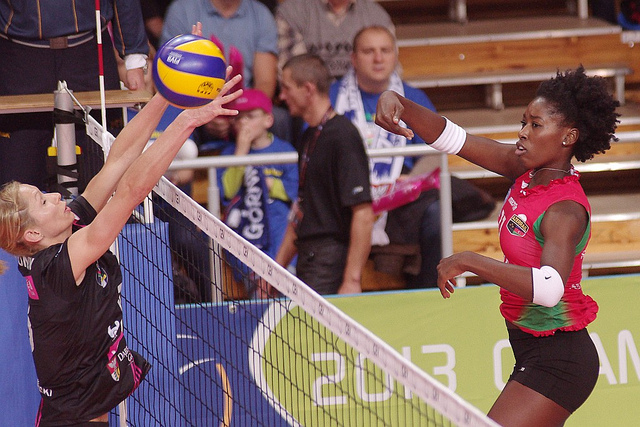
Professional hitters make contact at the highest point of their jump, usually just a few inches in front of the hitting shoulder. This forward position allows you to drive the ball downwards with a steep angle, reducing the defenders’ reaction time. A good cue is the sound of the set—a sharp pop signals you to begin your swing.
Landing Safely and Ready for the Next Play
After the hit, aim to land on both feet with knees slightly bent to absorb impact. Keep your eyes on the ball’s trajectory until it clears the net; this helps you anticipate a possible block and transition into defense if the spike is returned.
Common Mistakes and How to Fix Them
- Flat Approach. If your steps are too short, you lose momentum. Practice the “walk‑run‑jump” drill: start slow, then gradually increase speed while maintaining the same stride pattern.
- Early Arm Swing. Swinging before the plant step steals the power generated by the hips. Use a mirror or video to confirm that your arm only starts moving after the plant.
- Closed Wrist. A stiff wrist reduces ball spin and speed. Incorporate wrist‑flex exercises, such as using a light dumbbell to perform controlled flicks.
Drills to Hone Pro‑Level Spiking
Box Jump to Spike. Set a small box (12–18 inches high) and practice jumping onto it, then immediately performing a spike motion. This trains the quick transition from plant to swing.
Target Zones. Place cones or tape markers on the court representing ideal landing spots for the ball. Hit repeatedly, aiming for different zones to improve placement accuracy.
Partner Blocking. Have a teammate simulate a block while you practice hitting over or around it. This builds the instinct to read the block’s timing and adjust your swing accordingly.
Putting It All Together in Game Situations
During a match, you won’t have the luxury of slow, deliberate practice. Instead, rely on the muscle memory you’ve built through drills. When the setter delivers the ball, quickly assess the block, execute the three‑step approach, and trust the swing you’ve rehearsed countless times. The more you repeat the sequence under pressure, the more natural it feels.
Frequently Asked Questions
Q: How high should I aim to jump for a powerful spike?
A: Aim to reach the apex of your jump when the ball is at the highest point of the set. For most adult players, that means a vertical leap of 20–30 inches; the exact height varies with your own athleticism.
Q: Is it better to use a straight arm or a “C” shape when spiking?
A: A slightly “C”‑shaped arm allows the elbow to lead the swing, creating a smoother kinetic chain. Straight‑arm spikes can work, but they often sacrifice speed for reach.
Q: How often should I practice spiking drills?
A: Consistency beats intensity. Short, focused sessions three times a week—15 minutes of technique, 10 minutes of power drills—are more effective than a single marathon practice.
Q: Can left‑handed players use the same approach steps?
A: The pattern mirrors: right‑left‑right for left‑handed hitters, with the same emphasis on hip rotation toward the target.