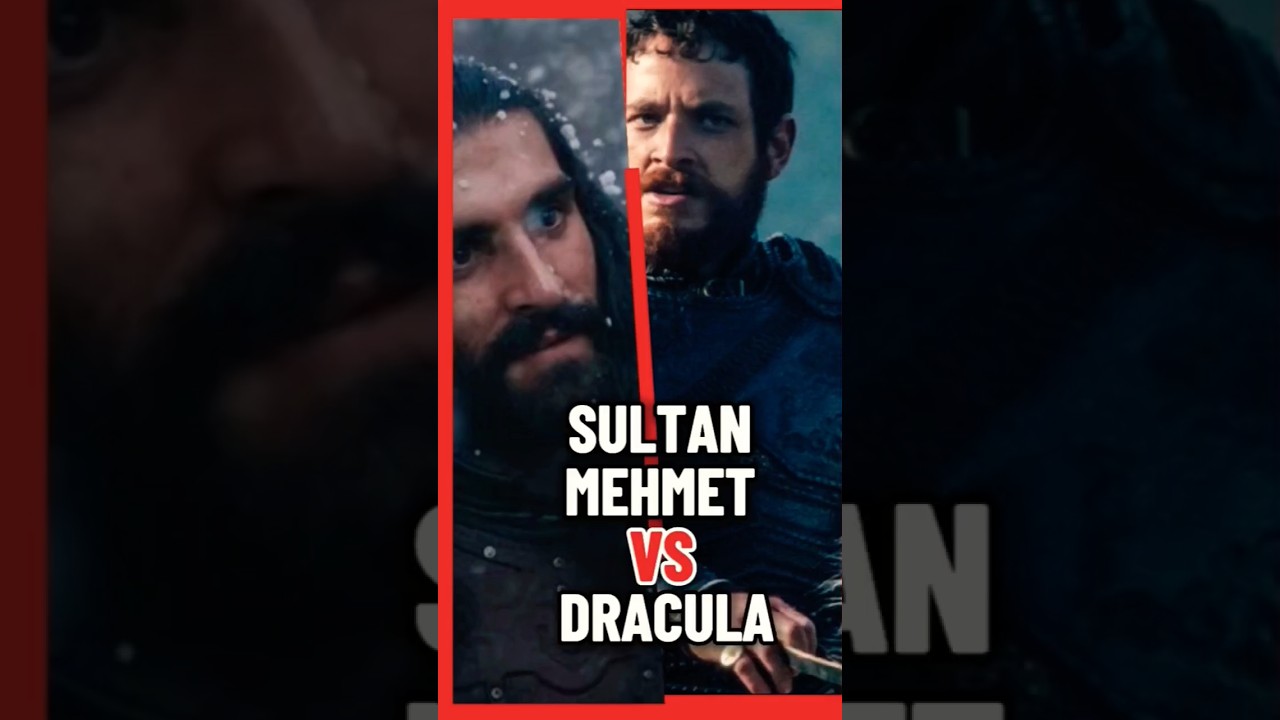
Mehmed II vs Vlad Dracula: The 1462 Epic Siege Showdown
When the Ottoman empire’s rising star, Mehmed II, turned his sights toward the Danube, the legendary ruler of Wallachia, Vlad III Dracula, was already a thorn in the side of any would‑be conqueror. The clash between these two titans in 1462 isn’t just a footnote in a textbook; it’s a vivid drama of ambition, fear, and razor‑sharp strategy that still fuels movies and midnight discussions.
Why Mehmed II vs Vlad Dracula Still Captivates Historians
Both men embodied the extremes of their era. Mehmed, barely twenty‑four, had already taken Constantinople and proclaimed himself “the Conqueror.” Vlad, a former hostage in the Ottoman court, returned to Wallachia with a reputation for ruthless justice—often dubbed the “impaler.” Their meeting was inevitable, and the stakes were colossal: control of the trade routes along the Danube and the symbolic message each would send to the rest of Europe.
Mehmed II: The Sultan Who Redrew Maps
Born in 1432, Mehmed ascended the throne after his father’s death and quickly set about expanding Ottoman territories. After the 1453 fall of Constantinople, he turned his gaze northward. The Danube represented both a lucrative commercial artery and a defensive buffer against the Kingdom of Hungary and its vassals. By 1462, Mehmed had assembled a fleet of 110 galleys and a land army that some estimates place at 60,000 men—though exact figures remain debated.
Vlad Dracula: The Prince of Shadows
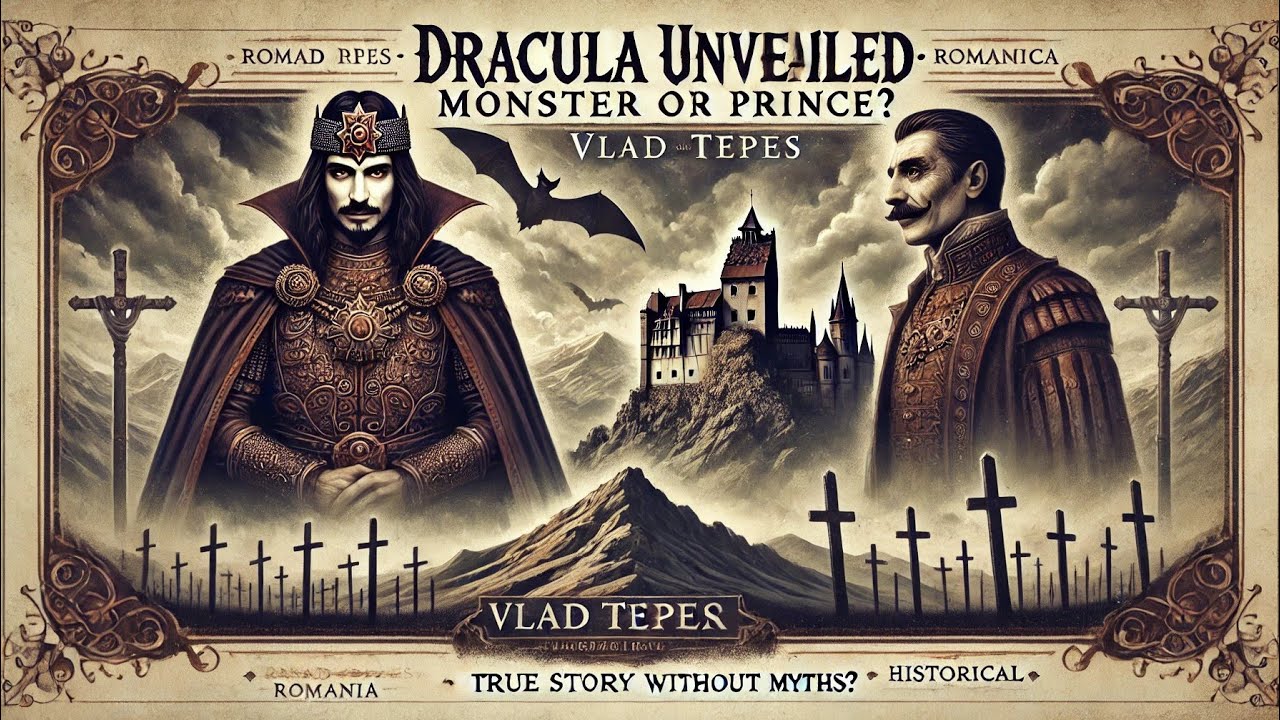
Vlad III, known in his native lands as Vlad Țepeș, had spent his teenage years in the Ottoman palace as a political hostage—a common practice designed to ensure Wallachian loyalty. Returning home, he reclaimed the throne with brutal efficiency, employing terror tactics that shocked even his own allies. His infamous “impalement” policy was as much a psychological weapon as it was a method of law enforcement, designed to deter both internal dissent and foreign invasion.
The Road to the 1462 Campaign
Relations between the two rulers soured quickly after Mehmed’s demands for tribute went unanswered. Vlad, confident in his fortified mountain passes and the loyalty of his boyars, refused to pay. In retaliation, Mehmed organized a two‑pronged offensive: a massive naval force would sail up the Danube while a land contingent marched through the Carpathian foothills.
- Naval Maneuver: Ottoman galleys crossed the Danube, aiming to seize key ports like Giurgiu.
- Mountain Assault: The land army attempted to breach the Transylvanian passes, hoping to draw Vlad into open battle.
Vlad’s response was nothing short of theatrical. He ordered his troops to light massive fires on the hilltops, creating the illusion of a larger force, and then employed his signature scorched‑earth tactics—burning villages, destroying bridges, and flooding valleys to slow the Ottoman advance.
The Clash: From Rivers to Ravines
One of the most dramatic episodes unfolded near the town of Războieni. Vlad’s men, using the terrain to their advantage, ambushed an Ottoman scouting party. The ensuing skirmish saw Vlad’s cavalry, mounted on swift horses, charge the Ottoman foot soldiers, who were poorly equipped for the rugged landscape. Contemporary chronicles describe how the Sultan’s forces were forced to retreat, suffering heavy losses.
However, the Ottoman navy proved decisive. While Vlad’s army stalled on land, Mehmed’s galleys seized control of the Danube’s lower stretches, capturing several fortified towns and cutting off Vlad’s supply lines. Faced with dwindling resources, Vlad was compelled to negotiate, offering a nominal tribute and a promise of future cooperation—terms Mehmed accepted only as a temporary measure.
Aftermath and Historical Echoes
The 1462 encounter didn’t end with a clear victor, but its repercussions resonated for decades. Mehmed’s ability to project power deep into the Balkans demonstrated the Ottoman empire’s growing naval competence, a factor that would later facilitate the conquest of the Crimean Peninsula. For Vlad, the campaign cemented his legend as a defiant ruler who could outwit a vastly superior foe, a reputation that survived centuries and inspired Bram Stoker’s fictional Count.
In the broader context, the clash illustrated a pivotal shift: the era of feudal levies gave way to professional standing armies and sophisticated siege tactics. Both leaders adapted—Mehmed by integrating cannon technology into his sieges, Vlad by refining guerrilla warfare techniques that would be studied by later insurgents.
FAQ
Did Mehmed II and Vlad Dracula ever meet face‑to‑face?
No documented evidence confirms a direct personal meeting. Their forces clashed, but the leaders remained apart on the battlefield.
What was the main reason for the 1462 conflict?
The immediate trigger was Vlad’s refusal to pay the Ottoman tribute demanded after Constantinople’s fall, combined with strategic control of the Danube trade routes.
How did the geography of Wallachia influence the outcome?
Wallachia’s mountainous terrain and dense forests favored Vlad’s hit‑and‑run tactics, slowing the Ottoman advance and forcing Mehmed to rely on his navy.
Did the clash affect later Ottoman‑Hungarian relations?
Yes. The campaign highlighted Ottoman naval strength, prompting Hungary to bolster its own river defenses and seek alliances with other Central European powers.