New Suburbs on the Rise: Trends, Insights, and What It Means for Homebuyers
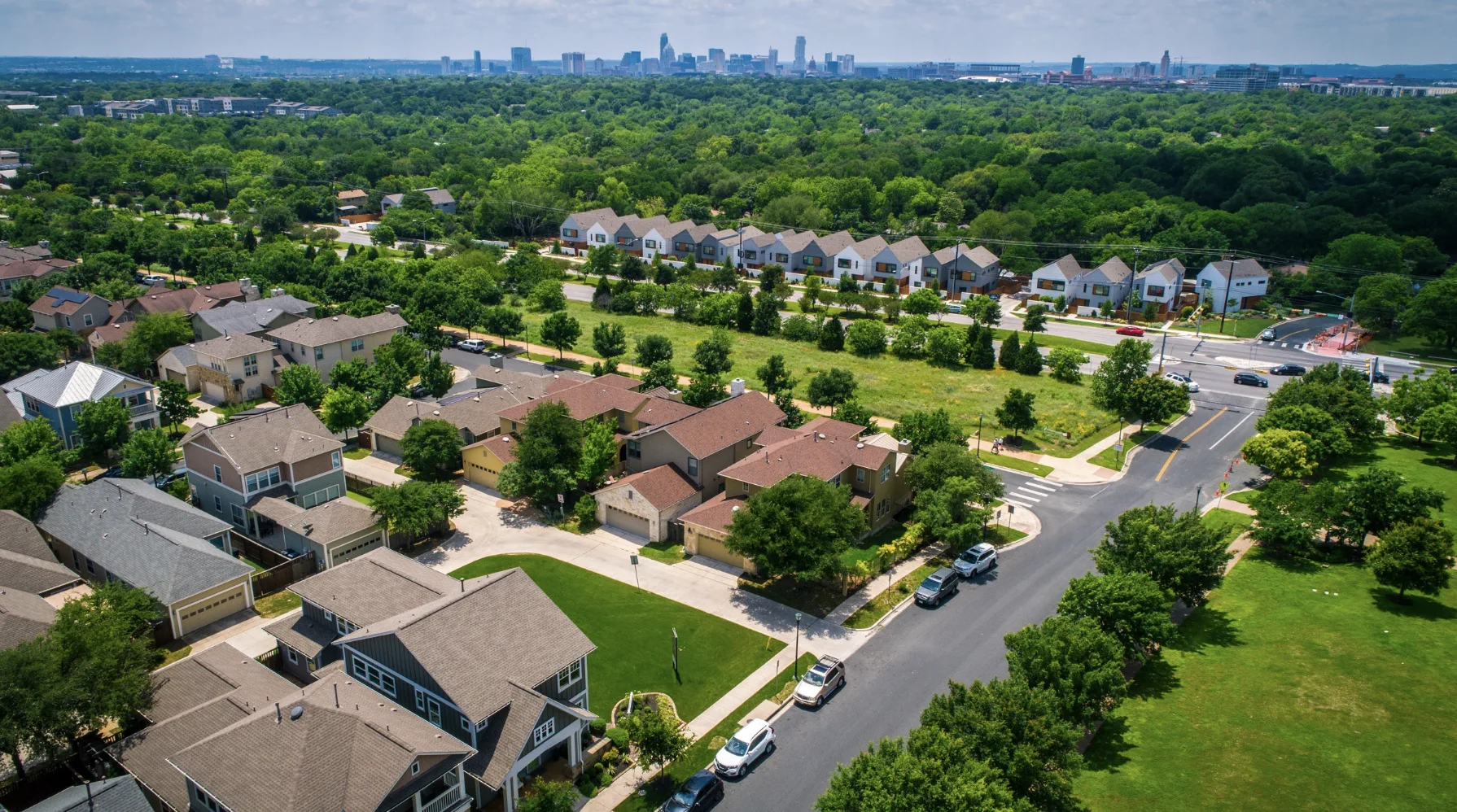
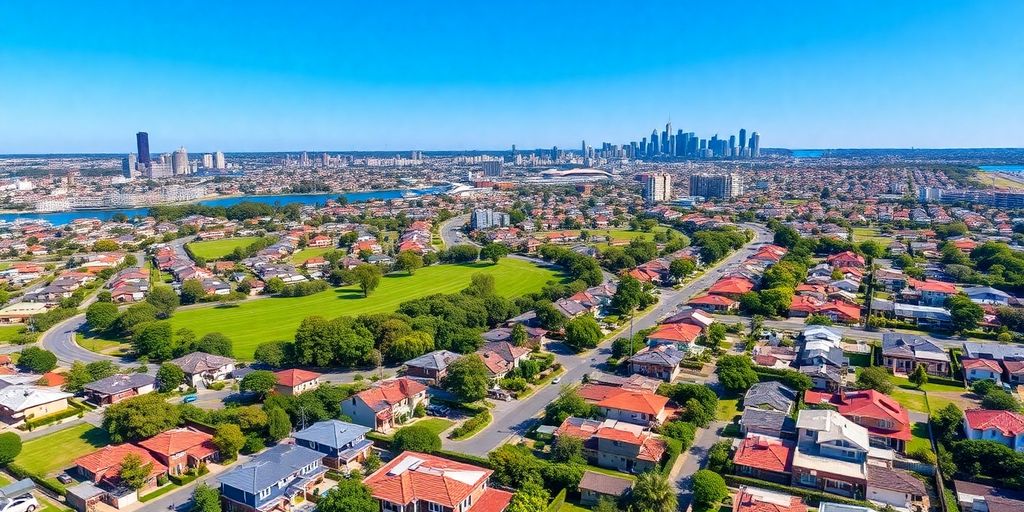
When you picture suburban life, you probably think of quiet streets and large backyards. Yet across the U.S., the rise of new suburbs is reshaping where families choose to settle, how developers build, and what buyers look for. This shift is driven by changing work habits, affordability demands, and a desire for community amenities that rival urban centers.
The Core Drivers Behind Emerging Suburban Hotspots
Three forces are pushing the new wave of suburb growth: remote work flexibility, housing cost pressures, and the search for a “third place” that blends convenience with lifestyle.
- Remote Work: With millions now working from home, proximity to city cores is less critical. Suburbs that offer reliable broadband, co‑working spaces, and modern infrastructure attract remote employees.
- Affordability Gap: Urban real‑estate prices have surged, making suburbs the only viable option for first‑time buyers and families wanting more square footage per dollar.
- Community Experience: New suburbs are designed with shared parks, bike lanes, and local commerce hubs that encourage social interaction—an antidote to the isolation often felt in sprawling urban outskirts.
Key Architectural and Design Trends in New Suburbs
Developers are moving beyond cookie‑cutter housing. Here are the trends that define contemporary suburban design:
- Mixed‑Use Development: Residential blocks are increasingly intertwined with grocery stores, cafes, and medical centers, reducing the need for daily commutes.
- Smart‑Home Integration: Energy‑efficient systems, programmable lighting, and Wi‑Fi‑enabled appliances are standard in newer construction.
- Green Building Materials: Recycled steel, bamboo flooring, and low‑VOC paint are not just buzzwords—they’re integral to lower carbon footprints and healthier indoor air.
- Flexible Floor Plans: Open‑concept living areas that can be reconfigured for home offices, fitness rooms, or guest spaces reflect the multifunctional use of space.
How Demographics are Shaping the New Suburban Landscape
The “new suburbs” are attracting a mix of age groups, each influencing the market in distinct ways:
- Millennials: Prefer walkable streets, nearby amenities, and vibrant social scenes. They also demand eco‑friendly features and tech readiness.
- Families with Children: Seek good school districts, playgrounds, and community safety. They prioritize space—both indoor and outdoor—over sheer density.
- Retirees: Look for low-maintenance homes, proximity to medical facilities, and accessible public transport.
Economic Impact on Local Infrastructure and Services
As new suburbs expand, they generate demand for public investment:
- Transportation: Road expansions, public transit routes, and bike‑share programs are often added to accommodate increased traffic and promote sustainable mobility.
- Education: School districts must scale up to handle growing enrollment, prompting construction of new schools or expansions of existing ones.
- Healthcare: Clinics and urgent care centers pop up in response to higher population densities, improving local health outcomes.
- Retail & Hospitality: Small businesses—coffee shops, boutiques, fitness studios—flourish as residents spend locally, boosting employment and tax revenue.
What Homebuyers Should Look For in the New Suburban Boom
Not all suburbs offer the same value. Keep these pointers in mind when scouting a new community:
- Walkability Scores: A high Walk Score (70+ on a 100-point scale) indicates easy access to essential services.
- Future Development Plans: Check municipal zoning maps; upcoming commercial projects can increase property values but also traffic.
- Resilience to Climate Change: Look for flood mitigation measures, green roofs, and stormwater infrastructure—especially in coastal or flood-prone areas.
- Community Engagement Opportunities: Neighborhood councils, volunteer groups, and local events can enhance the sense of belonging.
Financial Considerations and Financing Options
Buying in a new suburb often involves a different financial outlook than in established neighborhoods:
- Mortgage Rates and Programs: Some lenders offer incentives for first-time buyers in emerging areas, including lower down‑payment options.
- Property Taxes: As municipalities grow, property taxes can rise. Comparing tax rates across neighboring towns helps gauge long‑term affordability.
- Investment Potential: Rising demand and limited inventory in new suburbs can lead to quicker appreciation, but market saturation may stall gains.
Environmental and Sustainability Highlights
Modern suburban developers are embracing sustainability at scale:
- Renewable Energy: Solar panels on community centers and solar farms for shared power grids are common.
- Water Conservation: Low-flow fixtures, rainwater harvesting, and xeriscaped landscapes reduce water consumption.
- Public Green Spaces: Parks with native flora and wildlife corridors promote biodiversity and offer residents recreation spots.
Challenges to Keep in Mind
Despite many positives, the new suburb trend also brings hurdles:
- Infrastructure Lag: Rapid growth can outpace road widening and public transit expansions, leading to congestion.
- Community Fragmentation: A mix of newcomers and established residents sometimes results in cultural clashes or uneven resource allocation.
- Market Volatility: Emerging markets can be more susceptible to economic downturns, affecting resale values.
Looking Ahead: The Future of Suburban Development
Forecasts suggest that suburban expansion will continue, especially in regions with strong telecommuting infrastructure and robust local economies. Smart zoning, community‑first planning, and a focus on sustainability will likely set the tone for the next wave of residential projects.
Frequently Asked Questions
- What makes a suburb “new”? New suburbs typically feature recently constructed homes, modern amenities, and evolving infrastructure that cater to contemporary lifestyles.
- Are home prices in new suburbs generally lower? While initial prices may be more affordable than city cores, they can rise quickly as demand increases.
- Do new suburbs offer the same safety levels as established towns? Safety varies by community; reviewing crime statistics and local policing initiatives is advisable.