The Chemistry of Sodium Chloride: How NaCl Works
Sodium chloride (NaCl) is more than just the white granules that season our meals; it’s a textbook example of ionic bonding and crystal engineering. When you sprinkle it on a dish, you’re actually watching a lattice of charged ions interact with water molecules in real time.
What Gives Sodium Chloride Its Structure?
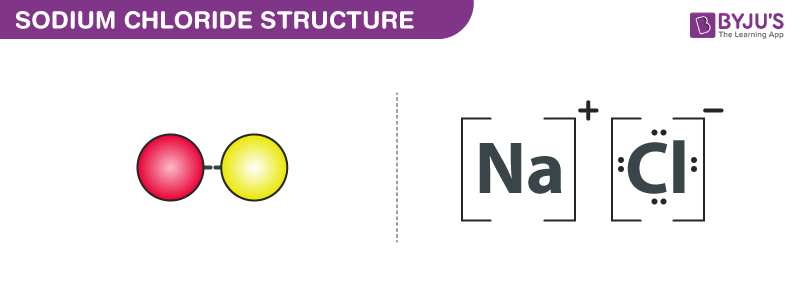
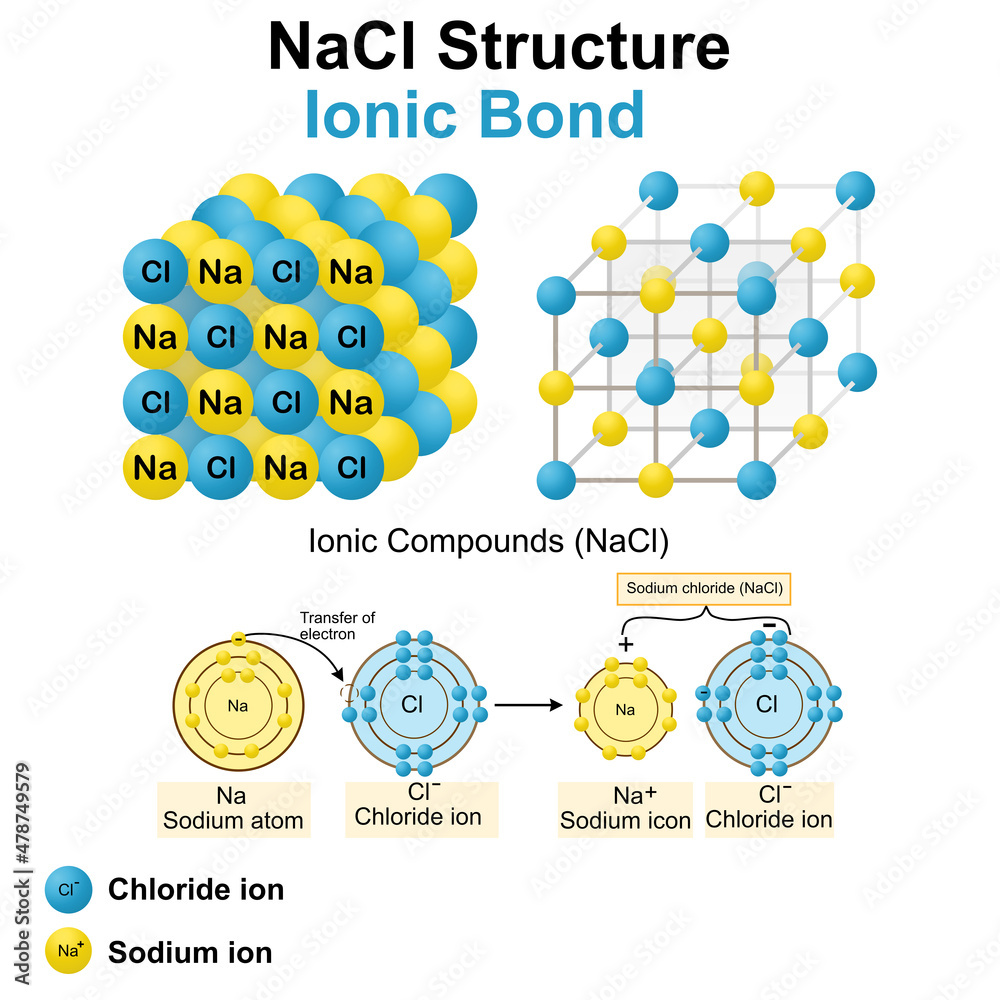
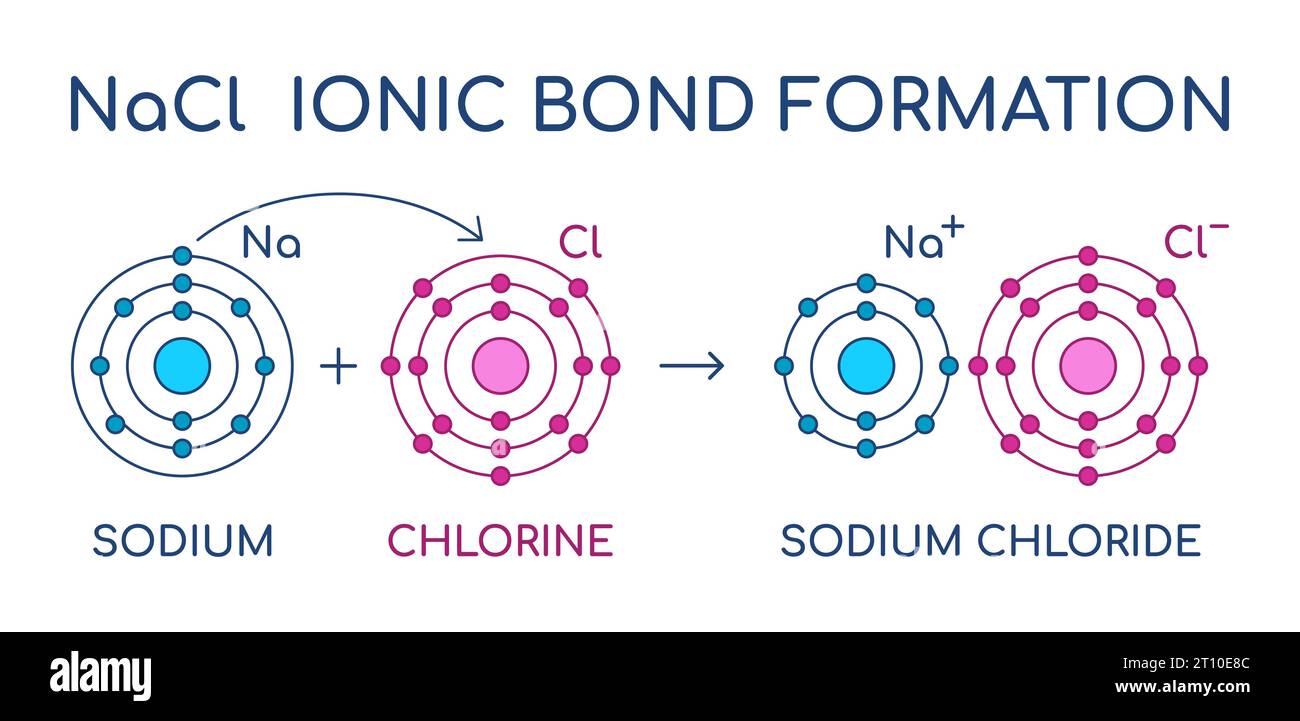
At the atomic level, sodium (Na) donates one electron to chlorine (Cl), creating a positively charged Na⁺ ion and a negatively charged Cl⁻ ion. This electron transfer produces an electrostatic attraction that locks the ions together in a repeating cubic lattice.
The result is a highly ordered solid where each ion is surrounded by six oppositely charged neighbors—a geometry known as the “rock‑salt” structure. This arrangement explains why NaCl has a high melting point (about 801 °C) and why it fractures conchoidally, producing the familiar cubic crystals.
Why Does NaCl Dissolve So Easily?
When NaCl meets water, the polar H₂O molecules intervene. The partially negative oxygen atom is drawn to Na⁺, while the partially positive hydrogens are attracted to Cl⁻. This solvation process overcomes the ionic bonds holding the lattice together, pulling the ions into solution.
Because the energy released when water molecules surround the ions (hydration energy) outweighs the lattice energy, the dissolution is energetically favorable. That’s why a pinch of salt disappears almost instantly in a glass of water.
Key Physical and Chemical Properties
- Solubility: About 36 g per 100 mL of water at 25 °C, increasing with temperature.
- Density: 2.17 g cm⁻³ in solid form, making it noticeably heavier than many common salts.
- Electrical Conductivity: Pure solid NaCl is an insulator, but its aqueous solution conducts electricity well due to the free movement of ions.
- Reactivity: Sodium chloride is chemically stable; it doesn’t readily react with acids, bases, or oxidizers under normal conditions.
How Is Sodium Chloride Produced?
Commercially, NaCl is harvested from two primary sources: mining of ancient evaporite deposits and evaporation of seawater. In the latter, seawater is channeled into shallow ponds where sunlight and wind concentrate the brine until salt crystals precipitate.
Rock‑salt mining, on the other hand, involves drilling and blasting deep underground deposits, then crushing and washing the ore to isolate pure NaCl. Both methods yield a product that’s chemically identical, though the trace mineral content can differ.
Everyday Uses Beyond the Kitchen
Besides seasoning, sodium chloride plays a starring role in many industries. It serves as a de‑icing agent on roads, where its ability to lower water’s freezing point prevents ice formation. In medicine, hypertonic saline solutions are used to treat hyponatremia or to clear airway secretions.
In the laboratory, NaCl is a reliable primary standard for calibrating conductivity meters because its purity can be measured to a high degree of certainty. It also finds a place in textile processing, where it helps fix dyes onto fabrics.
Health Implications: Moderation Matters
While NaCl is essential for nerve function and fluid balance, excessive intake can raise blood pressure and increase cardiovascular risk. The body tightly regulates sodium levels, excreting surplus through urine, but chronic overconsumption can overwhelm these mechanisms.
Public health guidelines often recommend limiting salt to around 2,300 mg of sodium per day, roughly one teaspoon of table salt. Choosing low‑sodium alternatives or seasoning with herbs can help maintain taste without the health drawbacks.
Environmental Considerations
Large‑scale salt mining can disrupt local ecosystems, especially in coastal regions where evaporation ponds alter habitats for birds and amphibians. Likewise, runoff from road de‑icing introduces high concentrations of chloride into waterways, potentially affecting aquatic life.
Modern practices aim to mitigate these impacts by recycling brine, using alternative de‑icing compounds, and restoring mined lands. Nonetheless, sodium chloride’s ubiquity means its environmental footprint remains a topic of ongoing research.
Common Misconceptions
Many people assume “sea salt” and “table salt” are fundamentally different chemicals. In reality, both are primarily NaCl; the distinction lies in texture and trace minerals like magnesium or calcium, which can subtly affect flavor.
Another myth is that “natural” salts are automatically healthier. While unrefined salts may contain minute amounts of other minerals, the health benefits are negligible compared to the sodium content, which remains the dominant factor.
Quick FAQ
Why does salt make ice melt faster? Salt lowers the freezing point of water, creating a thin layer of liquid brine that disrupts the ice lattice and accelerates melting.
Is sodium chloride the same as sea salt? Chemically, yes—both are NaCl. Sea salt simply retains additional trace minerals from seawater, which can affect taste and texture.
Can NaCl be used to calibrate lab equipment? Absolutely. Its high purity and well‑known molar mass make it an ideal primary standard for conductivity and osmolarity measurements.
What happens if you add too much salt to a plant? Excessive NaCl can cause osmotic stress, drawing water out of plant cells and leading to wilting or even death.