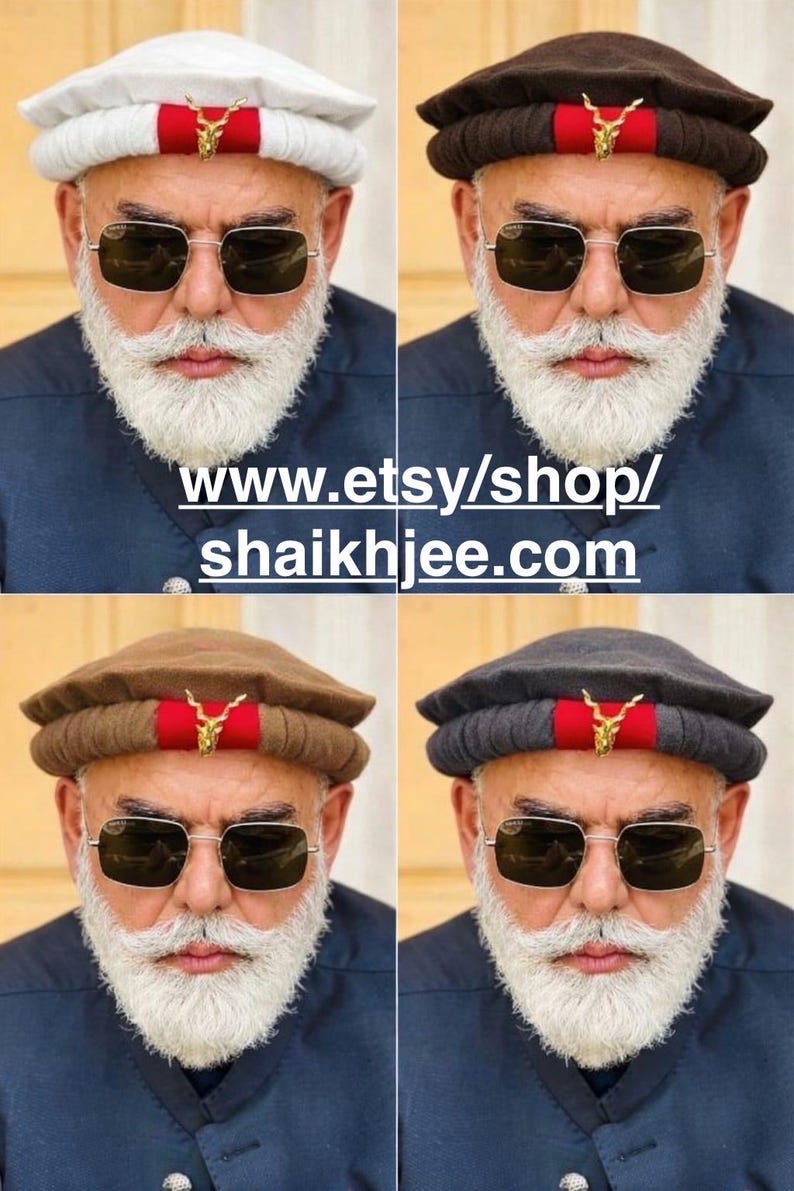
The Chitrali Pakol Cap: History, Style, and Symbolism
The Chitrali Pakol cap isn’t just a piece of headwear; it’s a living link to the highlands of northern Pakistan. Worn for centuries by shepherds, soldiers, and now fashion enthusiasts, the pakol blends practicality with a quiet pride that’s hard to miss. If you’ve ever wondered why this soft, rolled‑edge cap appears on runway photos or in travel documentaries, you’re in the right place. Below we unpack the origins, craftsmanship, cultural weight, and contemporary resurgence of this timeless symbol.
Origins: From Mountain Pasture to National Icon
The story of the pakol begins in the rugged valleys of Chitral, a region perched along the Hindu Kush. Historically, local shepherds needed a hat that could shield them from sudden snowstorms yet stay lightweight for long treks. The rolled‑up brim—originally a practical solution to keep snow from the forehead—soon became a recognizable silhouette.
During the early 20th century, British officers stationed in the area adopted the pakol for its comfort, inadvertently broadcasting the style across the subcontinent. By the 1960s, the cap had slipped into popular culture, appearing in films and even on the heads of political leaders who wanted to signal solidarity with the frontier regions.
Design Details: Hand‑Weaving Meets Simple Elegance
At first glance, the pakol looks unassuming—a soft, woolen cylinder with a gently rolled edge. Yet each piece carries subtle nuances:
- Material: Traditionally, high‑quality sheep’s wool or yak hair is hand‑spun, giving the cap its warm, breathable feel.
- Color palette: Earthy browns, muted grays, and occasional deep reds dominate, though contemporary versions sport brighter hues to appeal to urban markets.
- Construction: Artisans stitch the wool in a circular pattern, then fold the brim inward by hand—a step that determines the cap’s final shape.
Because every pakol is handcrafted, no two are exactly alike. Slight variations in thickness, dye, or fold add a personal touch that mass‑produced hats can’t replicate.
Cultural Significance: More Than a Fashion Statement
For the people of Chitral, the pakol represents resilience and identity. Wearing it signals a connection to the land and its traditions, especially during festivals like Jashn-e-Baharan, when locals parade in full traditional attire. In the broader Pakistani context, the cap has become a subtle emblem of regional pride, often seen in political rallies and cultural exhibitions.
Beyond symbolism, the pakol also carries social meanings. In some villages, the way you roll the brim can hint at your marital status or tribal affiliation—an unspoken language that outsiders rarely notice but locals understand instantly.
Modern Revival: From Alpine Trails to Urban Streets
Over the past decade, designers worldwide have revived the pakol, integrating it into streetwear collections and high‑fashion runways. Its low‑profile silhouette pairs effortlessly with jackets, denim, or even formal suits, offering a touch of rugged elegance. Social media influencers have further propelled its popularity, showcasing the cap in travel vlogs from the Himalayas to the streets of London.
While the global market now offers machine‑made versions, many consumers still seek authentic, hand‑woven pieces. Purchasing directly from Chitrali cooperatives not only guarantees quality but also supports the local economy, helping preserve the craft for future generations.
Choosing and Caring for Your Pakol
If you’re ready to add a pakol to your wardrobe, keep these tips in mind:
- Fit: The cap should sit comfortably on your head without compressing the ears. Most artisans can adjust the size during the final stitching stage.
- Material care: Hand‑wash in cold water with a mild detergent, then lay flat to dry. Avoid wringing, as the wool can lose its shape.
- Styling: For a classic look, wear the brim rolled up slightly; for a modern edge, let the edge fall naturally and pair with a leather jacket.
Frequently Asked Questions
What makes a genuine Chitrali pakol different from mass‑produced versions?
Authentic pakols are hand‑spun, hand‑woven, and individually folded by skilled artisans in Chitral. Mass‑produced caps often use synthetic fibers and machine stitching, lacking the subtle texture and cultural imprint of the original.
Can the pakol be worn year‑round?
Yes. While its wool construction provides warmth in winter, the breathable weave makes it comfortable in milder climates, especially when the brim is rolled up for ventilation.
Is the pakol appropriate for formal occasions?
In many South Asian contexts, a neatly folded pakol can complement semi‑formal attire, especially at cultural events. Pair it with a blazer or traditional shalwar kameez for a balanced look.
Where can I buy an authentic pakol?
Look for reputable online platforms that source directly from Chitrali cooperatives, or visit specialty stores that highlight South Asian handmade goods. Asking about the maker’s background often ensures you receive a genuine piece.