Tracing a Mugshot: From Crime Scene to Your Camera
When a crime flashes across a police report, most people picture the stark, gray‑toned portrait that later appears in news feeds. That image—known as a mugshot—is the product of a surprisingly methodical chain, beginning at the scene and ending with a click of the booking camera. Understanding each step helps demystify why the final picture looks the way it does and what it actually signifies.
From the Scene to the Squad Car
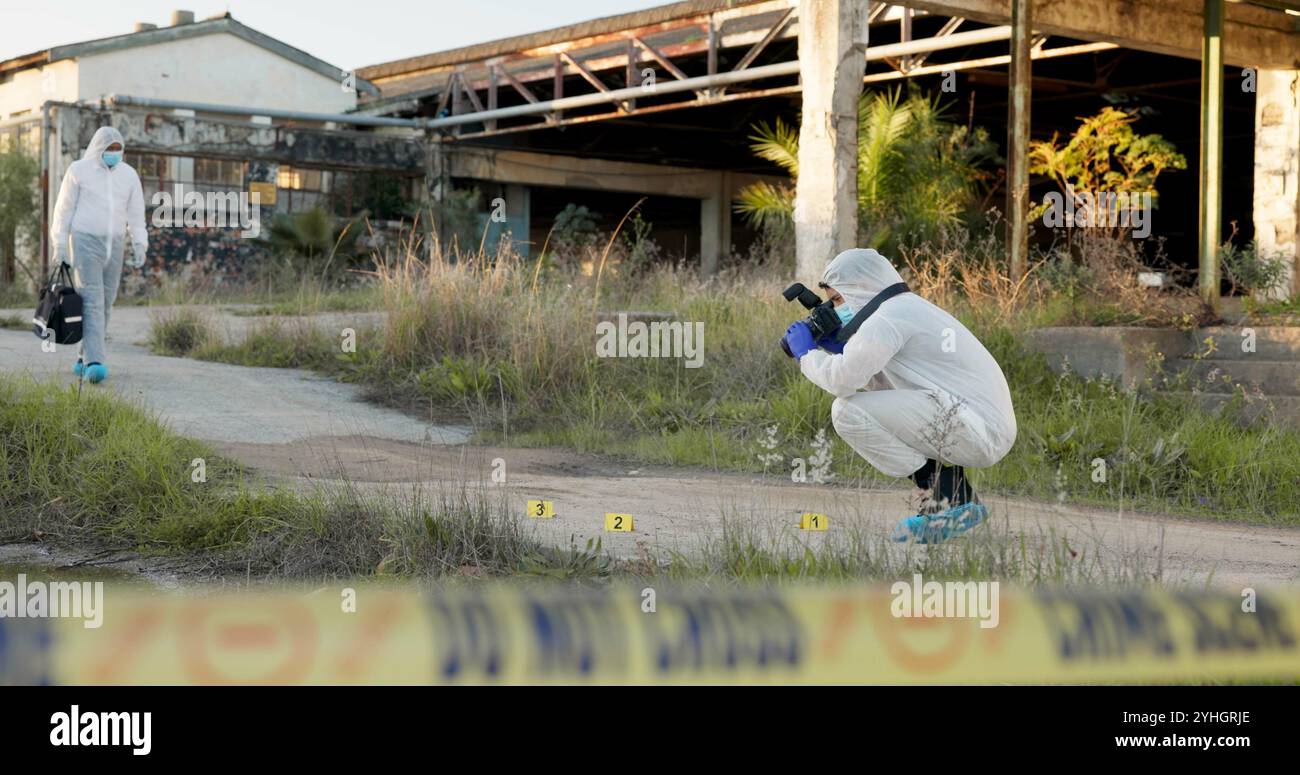
First responders secure the area, document everything, and gather any physical evidence. While detectives interview witnesses, a separate unit logs the time, location, and nature of the offense—details that later become part of the suspect’s file. Even before a suspect is identified, the police department creates a digital trail that will later justify the need for a photograph.
Identifying and Locating a Suspect
Once investigators have a name or a description, they compare it against databases, issue alerts, and coordinate with patrol officers. If an arrest is made, the suspect is escorted to a holding facility where the booking process officially begins. This transition from street to station is crucial; it determines whether the individual will be processed as a felony, misdemeanor, or simply released pending further investigation.
The Booking Process Explained
Booking is more than paperwork. Officers record personal data—full name, birthdate, address, and known aliases—into a central system. Simultaneously, they collect fingerprints, take a DNA swab, and inventory any personal belongings. Each of these steps is logged with a timestamp, creating a chronological record that aligns with the eventual mugshot.
Capturing the Mugshot: Cameras, Angles, and Lighting
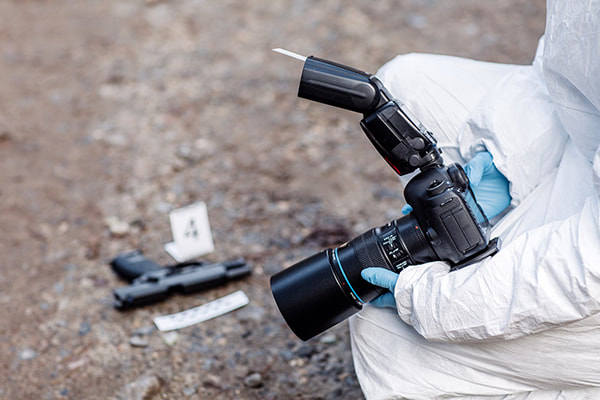
When it’s time for the photograph, a dedicated booking camera—often a DSLR or high‑resolution digital unit—takes two shots: one frontal and one profile. The background is typically a plain, neutral‑colored wall to avoid distractions. Lighting is deliberately flat, using softboxes or ring lights to eliminate shadows, ensuring that facial features are clearly visible for identification purposes.
Technically, the camera settings prioritize depth of field over artistic flair. A relatively narrow aperture (around f/8) keeps the entire face in sharp focus, while a moderate shutter speed prevents motion blur if the subject moves slightly. The resulting image is stored in the department’s evidence management system, tagged with the booking number and timestamp.
Legal Safeguards and Privacy Concerns
In many jurisdictions, the law requires that mugshots be taken and retained for a specific period, often tied to the outcome of the case. If charges are dropped or the suspect is acquitted, some states mandate the removal of the image from public databases, though practices vary widely. The tension between public safety—allowing media to identify potentially dangerous individuals—and the suspect’s right to privacy fuels ongoing legislative debates.
Additionally, the chain‑of‑custody protocol ensures that the photograph cannot be altered without a documented audit trail. This protects the integrity of the image should it later be used in court or shared with other agencies.
From the Booking Photo to Public Records
Once the case moves beyond the booking stage, the mugshot may appear in online arrest logs, news articles, or commercial “mugshot” websites. Some platforms charge fees for removal, prompting advocacy groups to push for stricter regulations. Regardless of where it ends up, the image remains linked to the original booking file, preserving a permanent record of the moment law enforcement first documented the suspect’s appearance.
Why the Mugshot Still Matters
Beyond its use for identification, the mugshot serves as a visual checkpoint in the criminal justice process. It helps parole boards, bail judges, and investigators quickly verify a person’s identity, especially when names are common or aliases are used. Moreover, the consistency of the photographic process—standardized angles, lighting, and background—makes it easier to compare images across different incidents.
However, the cultural impact of mugshots has evolved. In the age of social media, a single image can spread far beyond the courtroom, affecting employment prospects and personal relationships. This reality has spurred calls for “right‑to‑be‑forgotten” statutes, which aim to limit the long‑term visibility of arrests that did not lead to convictions.
FAQ
- Can a mugshot be removed if charges are dropped? Many states require law enforcement agencies to delete or seal the image from public databases when a case is dismissed, but the process isn’t uniform nationwide.
- What equipment is typically used for booking photos? Most agencies employ high‑resolution digital cameras with fixed lenses, soft lighting rigs, and plain backdrops to ensure consistency and clarity.
- Do suspects have any say in how their mugshot is taken? While officers must follow constitutional standards—such as not using excessive force—there’s generally little room for the subject to influence the pose or lighting.
- How long are mugshots retained? Retention periods differ by jurisdiction; some keep images indefinitely for repeat offenders, while others purge them after a set number of years if no conviction occurs.