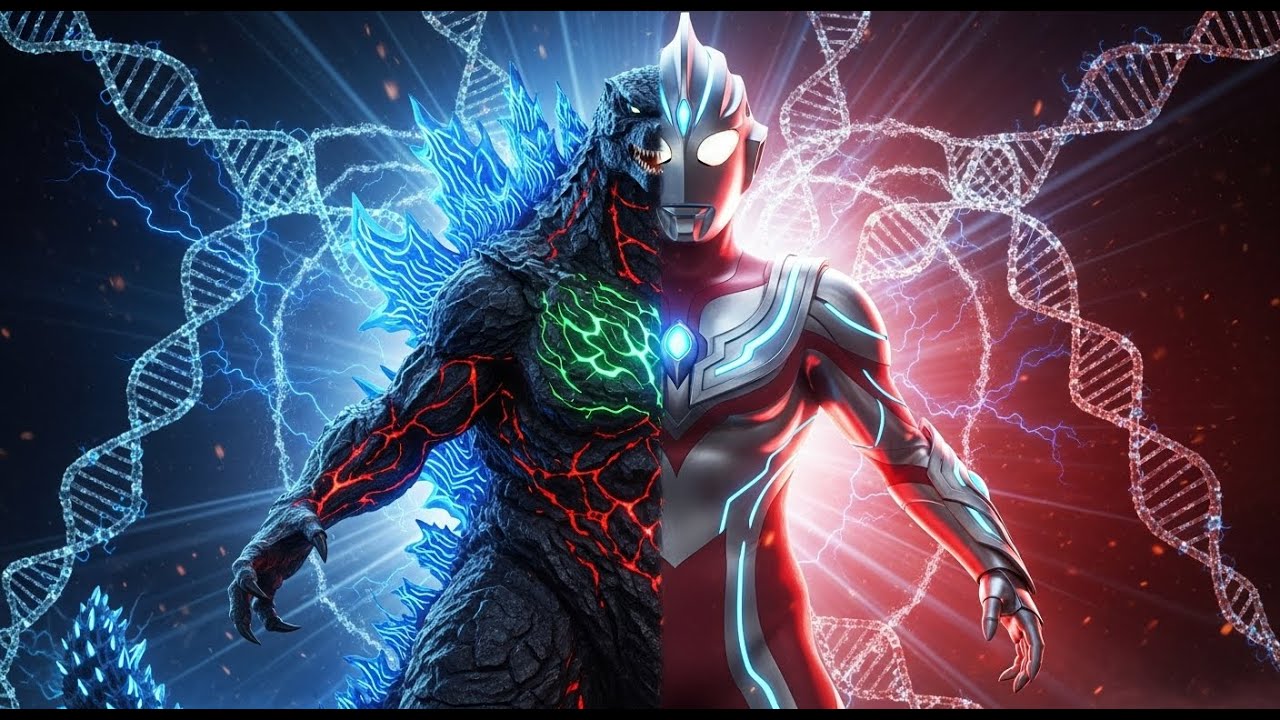
Ultraman Explained: Inside the Iconic TV Series and Its Legacy
When you hear the name Ultraman, a silver‑shimmering hero soaring above city skylines probably springs to mind. Since its debut in 1966, the series has become a cornerstone of Japanese tokusatsu—live‑action special effects—culture, spawning countless spin‑offs, movies, and a dedicated fanbase worldwide. This deep dive explores how the original show broke new ground, which elements keep viewers glued episode after episode, and why Ultraman still feels fresh after more than half a century.
The Birth of a Giant Hero
Created by Eiji Tsuburaya, co‑founder of the legendary special‑effects studio Toho, Ultraman emerged from the success of Ultra Q, a monster‑of‑the‑week anthology that lacked a central hero. Tsuburaya wanted a protagonist who could fight those monsters on equal footing, leading to the iconic “silver‑and‑red” suit and the now‑familiar “Specium Ray” beam. The first episode aired on July 10, 1966, on Tokyo’s TBS network, and the format was simple yet revolutionary: a human host, Shin Hayata, merges with the alien Ultraman, granting him the ability to transform for a limited three‑minute window each battle.
This time limit, dictated by the suit’s energy constraints, introduced real tension—viewers knew the clock was ticking. It also forced writers to focus on concise storytelling, making each encounter feel urgent and impactful.
Signature Elements That Define the Series
Several recurring motifs give Ultraman its unmistakable identity:
- Transformation Sequence: The dramatic “Ultraman! I’m the Light!” chant, coupled with a burst of light, instantly signals the start of the action.
- Specium Ray: A bright, silver beam that has become synonymous with the hero’s finishing move.
- Monsters (Kaiju): Each episode introduces a new creature, often designed with elaborate rubber suits and miniature city sets, showcasing practical effects that still charm modern viewers.
- Human Drama: Despite the spectacle, the show never abandons the personal stakes of the human host, allowing the audience to connect emotionally with the protagonist’s dual identity.
These components blend together to create a rhythm that feels both familiar and fresh, even when the series revisits classic monster designs in later installments.
Evolution Across Decades
After the original 39‑episode run, the franchise expanded in several directions. Ultra Seven (1967) introduced a new hero with a more complex backstory, while The Return of Ultraman (1971) returned to the original formula but with improved suit materials and brighter color palettes. The 1990s saw a shift toward darker storytelling with Ultraman Tiga, where the hero could assume multiple forms, each with distinct abilities. This era also marked the first extensive use of CGI to augment practical effects, a trend that continued into the 21st century.
More recently, Ultraman Z (2020) and Ultraman Trigger (2021) lean into a multiverse concept, allowing different Ultramen to appear together. This not only celebrates the franchise’s history but also offers fresh narrative possibilities, such as legacy heroes passing the torch to younger generations.
Cultural Impact and Global Reach
Beyond Japan, Ultraman has left a surprisingly strong imprint. In the 1970s, the series aired in parts of Southeast Asia and Latin America, often dubbed with localized names like “Ultraman: El Héroe de la Luz.” The character’s design—simple, heroic, and instantly recognizable—made it an ideal mascot for toys, comics, and even educational campaigns about environmental stewardship.
In the West, the 1990s brought the Ultraman: The Ultimate Hero adaptation, repackaging footage for American audiences. While the series never achieved the mainstream popularity of Power Rangers, it cultivated a niche community that organizes conventions, fan‑art contests, and online discussion groups. Moreover, contemporary creators cite Ultraman as an influence; directors like Guillermo del Toro have referenced the series’ blend of human drama and monster spectacle as an inspiration for his own monster movies.
Why the Series Still Resonates
At its core, Ultraman balances two timeless themes: the awe of confronting the unknown and the responsibility that comes with power. The human host’s vulnerability reminds viewers that heroism isn’t about invincibility but about choice—opting to protect Earth despite personal risk. Coupled with the practical charm of suit‑based monsters, the series offers a nostalgic yet relevant escape.
Additionally, the franchise’s willingness to reinvent itself—whether by adding new forms, embracing digital effects, or exploring complex mythologies—keeps long‑time fans engaged while inviting newcomers. The result is a living legacy that feels both historic and contemporary.
FAQ
What is the original Ultraman’s transformation limit, and why does it matter?
The hero can stay in his giant form for three minutes per battle. This limit was originally a technical constraint—battery life for the suit’s lights—but it adds dramatic tension, as viewers watch the countdown and wonder if the hero will defeat the monster in time.
How many different Ultramen have appeared in the main TV series?
As of 2023, more than 30 distinct Ultramen have headlined their own series or major story arcs, ranging from the classic Ultraman to newer entries like Ultraman Geed and Ultraman Z.
Is Ultraman related to the Godzilla franchise?
Both belong to the broader “kaiju” genre and were produced by companies under the Toho umbrella, but they exist in separate continuities. Occasionally, crossover movies feature both heroes, but these are special events rather than part of the main storylines.
Can I watch the original series legally online?
Yes—several streaming platforms in Japan and select international services offer the 1966 series with subtitles. Official releases on DVD and Blu‑ray also provide restored footage and bonus interviews.


![Shin Ultraman Review: A Haphazard, Kaiju-Sized Blockbuster [Fantastic Fest]](https://www.slashfilm.com/img/gallery/shin-ultraman-review-a-haphazard-kaiju-sized-blockbuster-fantastic-fest/intro-1664379003.jpg)