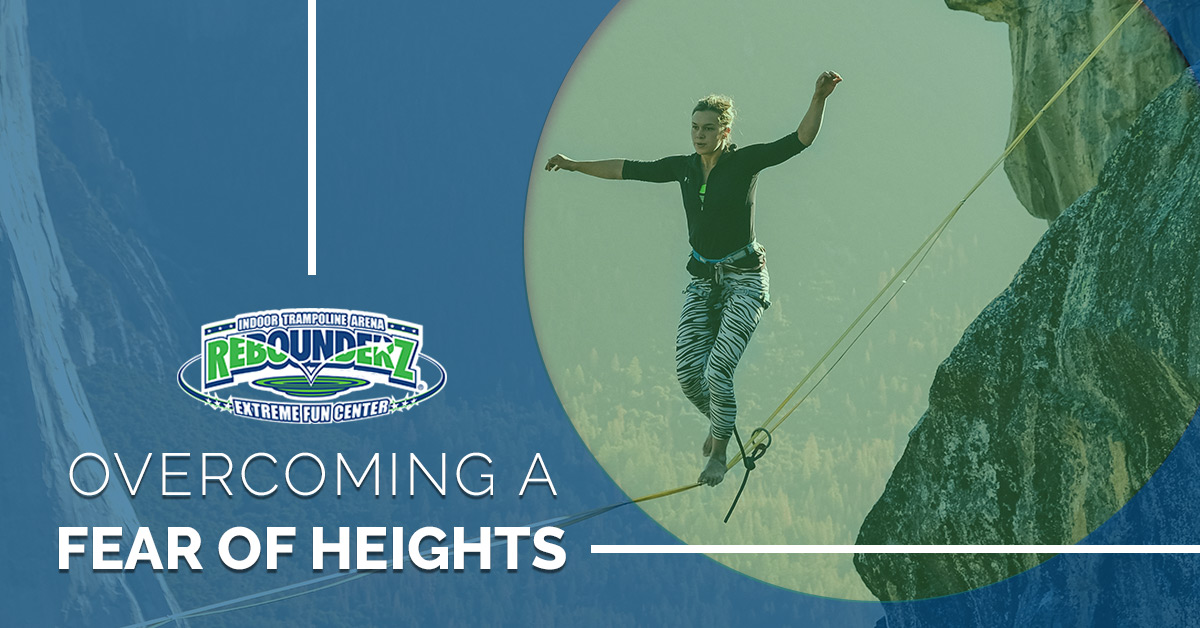
Understanding Fear of Heights: Causes and Practical Solutions
Fear of heights, or acrophobia, is more than a casual nervousness that pops up on a windy balcony. For many, it can turn a simple walk up a flight of stairs into a full‑blown panic attack. Though it feels personal, the condition has a well‑documented biological basis and a range of evidence‑based treatments that can ease daily life.
Common Causes of Fear of Heights
When we look under the surface, a handful of factors often converge to create or maintain acrophobia.
- Evolutionary wiring – Humans evolved on solid ground; looking down from a height triggers a primal safety reflex that keeps us from falling.
- Genetic predisposition – Studies suggest that anxiety disorders tend to cluster in families, hinting at inherited sensitivity.
- Negative experiences – A single scary fall, a near‑miss, or watching someone else fall can leave a lasting imprint.
- Observational learning – Children who see a parent react strongly to heights often mirror that reaction.
- Sensory mismatch – Rapid eye movements during a steep climb can create a conflict between what we see and what our inner ear feels, spooking the brain.
It’s rarely one cause; rather, it’s the combination of biology, learning, and personal history that fuels the fear.
Recognizing the Symptoms that Signal Acrophobia
Symptoms can range from mild unease to debilitating panic. Look for these warning signs:
- Intense anxiety at the thought of being on a balcony, bridge, or high floor.
- Physical responses such as sweating, trembling, rapid heartbeat, or shortness of breath.
- Avoidance behaviors—stalling at the top of stairs, refusing to use elevators, or opting for ground‑level routes.
- Thoughts of falling or losing balance that linger even when in a safe environment.
When avoidance starts affecting work, relationships, or recreation, professional help can make a difference.
Step‑by‑Step Solutions That Work
Effective treatment blends psychological strategies, behavioral practice, and, when necessary, medication. Here’s a practical roadmap.
1. Cognitive‑Behavioral Therapy (CBT)
CBT is the frontline for many. It teaches you to:
- Identify distorted thoughts about falling.
- Replace catastrophic beliefs with realistic evaluations.
- Use relaxation techniques—deep breathing, progressive muscle release—to stay calm during exposure.
2. Exposure Therapy
Gradual, controlled exposure helps retrain the brain’s fear response:
- Start with low‑risk situations, such as standing on a chair.
- Progress to higher levels—viewing from a balcony, riding a short elevator, or climbing a low stairwell.
- Repeat until the anxiety level drops significantly.
3. Virtual Reality (VR) Simulations
VR offers a safe, repeatable environment. Sessions can mimic:
- Stairs, bridges, or rooftops with adjustable heights.
- Real‑time feedback that lets you practice breathing and grounding.
4. Mindfulness and Grounding Techniques
These tools help anchor you in the present and reduce hyper‑alertness:
- 5‑4‑3‑2‑1 sensory method—name five things you see, four you touch, three you hear, two you smell, one you taste.
- Grounding phrases—“I am on solid ground.”
- Body scan—notice tension spots and consciously relax them.
5. Medication When Needed
Short‑term anxiolytics or selective serotonin reuptake inhibitors (SSRIs) can lower overall anxiety, making exposure sessions more tolerable. Medication is typically prescribed by a psychiatrist and used in conjunction with therapy.
Integrating Lifestyle Changes
Small daily habits amplify treatment outcomes.
- Regular physical activity boosts endorphins and reduces baseline anxiety.
- Consistent sleep hygiene keeps the nervous system balanced.
- Limiting caffeine, especially before planned exposure activities, can prevent spike‑ups in heart rate.
When to Seek Professional Help
Consider a clinician if:
- Your fear interferes with job performance or social life.
- You experience panic attacks that feel out of control.
- Self‑help techniques haven’t eased symptoms after several months.
Early intervention often means less reliance on avoidance and a smoother path to confidence.
FAQ – Quick Answers About Fear of Heights
Q1: Can acrophobia be inherited?
A1: Genetic studies suggest a familial link, but environmental factors play a major role as well. It’s a mix of nature and nurture.
Q2: How long does it take to overcome the fear?
A2: Recovery time varies. With consistent CBT and exposure practice, many people notice improvement within a few months, while others may take longer.
Q3: Is medication enough to treat acrophobia?
A3: Medication can reduce anxiety symptoms but rarely resolves the fear completely. It’s most effective when paired with therapy.
Q4: Can I self‑treat with online resources?
A4: Self‑help guides and apps can be a good starting point, but professional guidance ensures safe progression, especially for severe cases.