Walter Freeman, Rosemary Kennedy & The Lobotomy Tragedy
History has a way of hiding its darkest chapters behind polished marble statues and eulogies. For decades, the name Walter Freeman appeared in medical textbooks as a pioneer of psychosurgery. He was the man who brought the lobotomy to America, performing thousands of the procedures with a speed and variety that defied conventional surgical standards. But behind the statistics lies a story that is less about medical innovation and more about profound ethical failure. At the center of this controversy stands Rosemary Kennedy, the daughter of Joseph P. Kennedy, whose life was irrevocably altered by Freeman’s ice-pick lobotomy.
The Rise of the Frontal Lobotomy
To understand how such a drastic procedure became so popular, we have to look at the medical landscape of the 1930s and 40s. Psychiatry was largely in the dark. There were no antidepressants, no antipsychotics, and very little understanding of the neurochemical roots of mental illness. When a patient exhibited severe anxiety, depression, or manic behavior, doctors were largely helpless. They could offer electroshock therapy or sedatives that turned people into zombies, but they couldn’t cure the underlying condition.
Enter Egas Moniz, a Portuguese neurologist who won the Nobel Prize in 1949 for inventing the prefrontal leucotomy. The idea was simple in theory: sever the connections in the brain’s prefrontal cortex to calm emotional turmoil. It was crude, invasive, and incredibly dangerous. But unlike the original surgery, which required a cranotomy (cutting into the skull), Walter Freeman saw an opportunity for improvement. Or, depending on whom you ask, a shortcut that prioritized volume over precision.
Walter Freeman’s Ice-Pick Method
Freeman was a charismatic and aggressive promoter of his work. He didn’t just perform lobotomies; he advertised them. He traveled across the United States, often bringing his own assistant, James Watts, to perform the operation in hospitals that had little oversight or experience with neurosurgery. Freeman modified the procedure into the "transorbital lobotomy."
He would strike an ice-pick-like instrument through the thin bone above the eye socket, into the brain, and then sweep it back and forth to sever nerve fibers. The entire procedure could take less than ten minutes. It didn’t require an operating room. It didn’t even require general anesthesia in many cases. Freeman claimed he performed over 3,500 of these operations. His confidence was unshakable, and his belief that he was saving families from the burden of mental illness was absolute.
Rosemary Kennedy’s Story
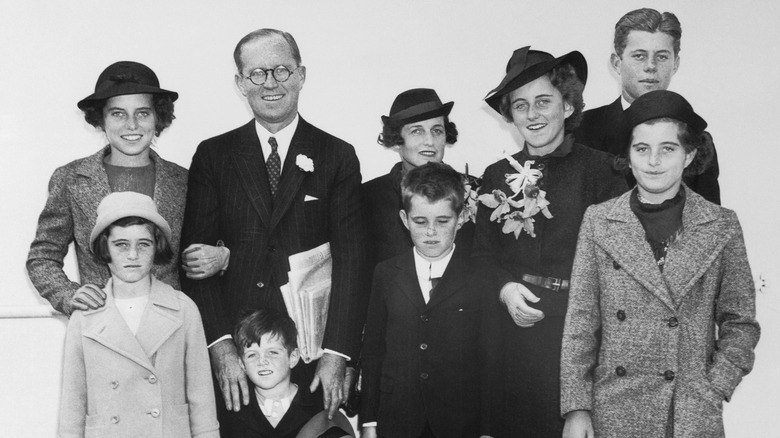
The most famous and tragic victim of Freeman’s enthusiasm was Rosemary Kennedy. Born in 1918, she was the eighth child of Joseph and Rose Kennedy. From a young age, Rosemary struggled with mood swings and learning difficulties, which some modern historians and neurologists suggest may have been due to a prenatal head injury or other developmental issues. In the high-pressure environment of the Kennedy family, where perfection was expected, Rosemary was a source of immense shame and anxiety for her parents.
Rosemary was bright in her own way but became increasingly unpredictable. She worked in military hospitals during World War II, but her behavior—which included sexual experimentation and emotional outbursts—terrified her conservative Catholic parents. When she returned home, the Kennedys sought a solution that would "keep her happy" and allow her to live independently, or at least quietly, on their estate.
In 1941, Joseph Kennedy consented to a lobotomy for his 23-year-old daughter. He was misled by Freeman, who told him the procedure was safer than it was. Freeman performed the transorbital lobotomy on Rosemary. The aftermath was catastrophic. The surgery destroyed much of her personality and cognitive function, leaving her childlike and incapacitated. She lost the ability to control her bladder and bowels and could barely speak. She was not "cured"; she was broken.
The Aftermath and Historical Revision
For decades, the Kennedy family kept Rosemary’s condition a closely guarded secret. She was moved between private institutions to ensure her existence was hidden from the public eye. This silence protected the political ambitions of her siblings, including President John F. Kennedy, but it also preserved Walter Freeman’s reputation for far too long. Freeman continued to practice and lecture, defending his methods against growing criticism from the psychiatric community.
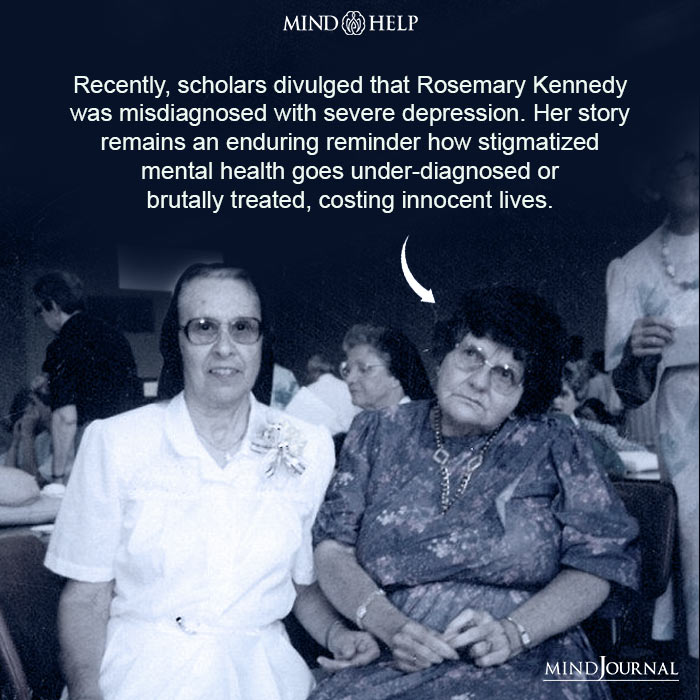
As the 1950s gave way to the 1960s, the development of chlorpromazine and other psychotropic drugs provided a non-invasive alternative to lobotomy. Public opinion shifted, and the horrors of institutions like Willowbrook came to light. Freeman’s methods fell out of favor, and he died in 1972, largely disgraced but never fully held accountable for the lives he altered. Rosemary Kennedy lived until 2005, dying at age 86, still confined to St. Coletta’s school for people with developmental disabilities in Maryland. Her death certificate listed "old age" as the cause, but the tragedy of her life remained a stain on her family’s legacy.
Lessons From a Dark Chapter
The story of Walter Freeman and Rosemary Kennedy is not just a medical case study; it is a warning about the dangers of medical hubris and the erosion of patient autonomy. It highlights how societal pressures—such as the stigma against mental illness and the desire for a "perfect" family image—can drive individuals toward desperate, harmful measures.
Furthermore, it underscores the importance of rigorous ethical oversight in medicine. Freeman operated with a lack of transparency and informed consent that is unthinkable in modern practice. Today, psychosurgery is highly regulated, rare, and considered only as a last resort for severe, treatment-resistant conditions. The ice-pick lobotomy is viewed as a barbaric relic of a time when we knew little about the brain and even less about the moral obligations of those who seek to heal it.
Rosemary’s life reminds us that behind every medical statistic is a human being. The pursuit of a quick fix, driven by convenience or shame, can lead to irreversible damage. As we advance in neuroscience, we must remember that the goal of medicine is not just to suppress symptoms, but to preserve the person’s dignity and identity.
Frequently Asked Questions
Did Joe Kennedy know the risks of the lobotomy?
While Joe Kennedy knew the procedure involved brain surgery, he was likely misled by Walter Freeman regarding its safety. Freeman downplayed the risks and emphasized the potential for a "calmer," more manageable demeanor, omitting the possibility of severe cognitive impairment.
How many people did Walter Freeman lobotomize?
Freeman claimed to have performed over 3,500 lobotomies throughout his career. However, exact numbers are difficult to verify due to inconsistent record-keeping and the sheer volume of his travels.
Is the transorbital lobotomy still performed today?
No. The crude transorbital technique pioneered by Freeman is completely obsolete and considered unethical. Modern psychosurgery, such as cingulotomy or capsulotomy, uses precise stereotactic techniques and is strictly regulated.
Why was Rosemary Kennedy institutionalized?
After her lobotomy, Rosemary lost significant cognitive and physical control. The Kennedy family, prioritizing privacy and political optics, placed her in private institutions to keep her condition out of the public eye.