What Is 1‑Pentanol? Molecular Formula, Properties & Uses
Introducing 1‑Pentanol
When you hear “1‑pentanol,” you’re hearing the name of a five‑carbon primary alcohol that sits comfortably between methanol and octanol on the alcohol chain. Chemists often write it as pentan‑1‑ol, but the “1‑” prefix tells you the hydroxyl (‑OH) group lives on the first carbon of the chain. This seemingly simple placement gives the molecule a distinct set of physical and chemical traits that make it useful in labs and industry alike.
Molecular Formula Demystified
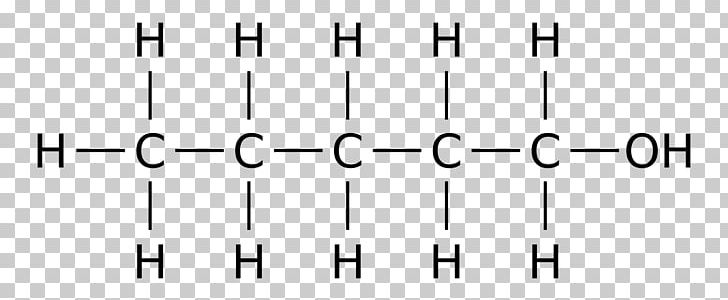
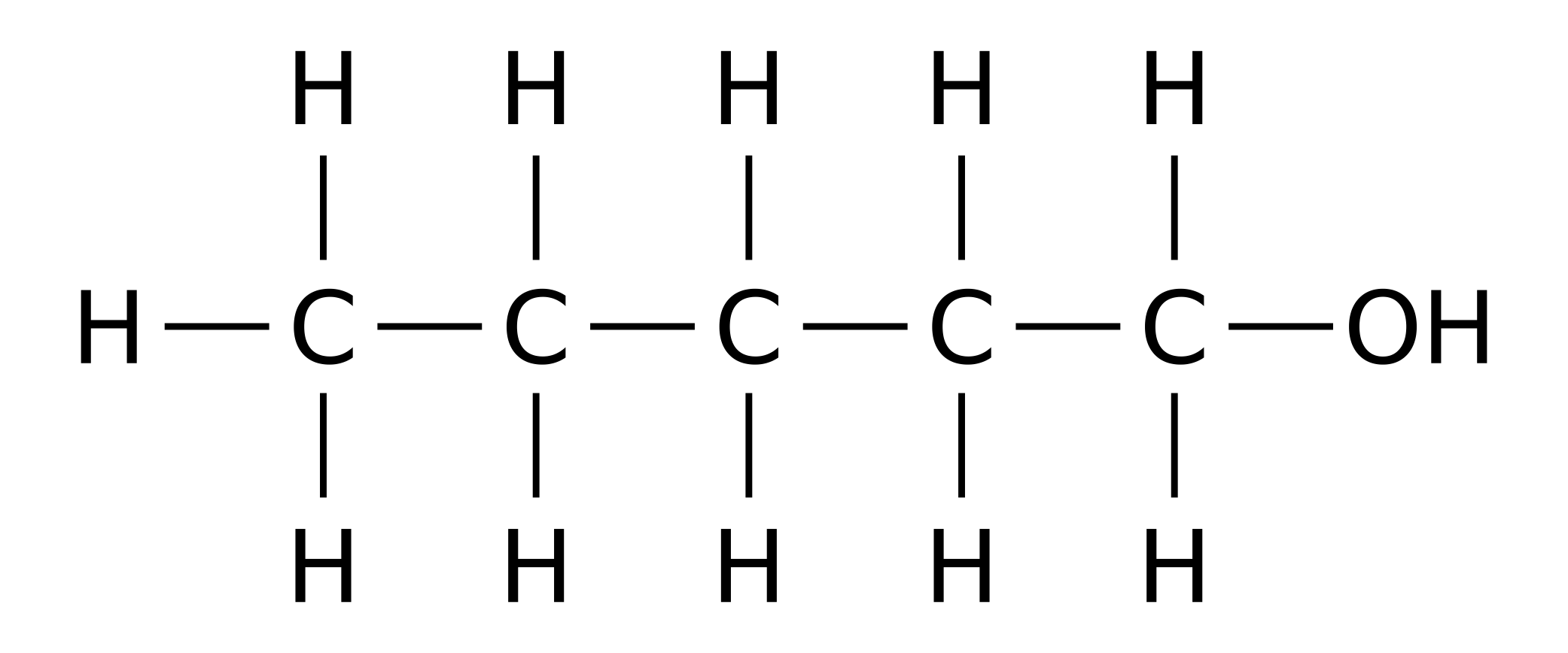
The molecular formula of 1‑pentanol is C₅H₁₂O. In structural terms, you can picture it as a straight‑chain hydrocarbon (five carbon atoms) capped with a single hydroxyl group: CH₃‑CH₂‑CH₂‑CH₂‑CH₂‑OH. That extra oxygen atom is what distinguishes it from the corresponding alkane, pentane, and grants it the ability to engage in hydrogen bonding, albeit less vigorously than shorter alcohols like ethanol.
Physical Characteristics
At room temperature 1‑pentanol is a clear, slightly oily liquid with a faint, pleasant odor reminiscent of fruit. Its boiling point hovers around 138 °C (280 °F), which is high enough to keep it stable during many low‑temperature processes but low enough to be distilled without extreme equipment. The density is roughly 0.81 g cm⁻³, so it will float atop water, yet it can dissolve in many organic solvents such as ether, chloroform, and benzene.
Water solubility is modest—about 22 g per liter at 20 °C—reflecting the balance between its hydrophobic carbon chain and the polar hydroxyl group. This partial miscibility is why 1‑pentanol often serves as a bridge in two‑phase extractions, helping to shuttle compounds between aqueous and organic layers.
Chemical Reactivity
Being a primary alcohol, 1‑pentanol readily undergoes classic alcohol reactions. Oxidation with mild reagents (e.g., PCC) converts it into pentanal, while stronger oxidizers push it further to pentanoic acid. Esterification with acetic anhydride or acid chlorides yields fragrant esters like pentyl acetate, a key ingredient in many fruit‑flavored fragrances.
The molecule also participates in substitution reactions; treating it with hydrogen halides (HCl, HBr) replaces the OH with a halogen, creating 1‑pentyl halides that serve as intermediates in polymer synthesis. Its relatively low steric hindrance makes these transformations straightforward compared to secondary or tertiary alcohols.
Industrial Applications
In the commercial sphere, 1‑pentanol finds its niche as a solvent for paints, inks, and cleaning agents. Its ability to dissolve both polar and non‑polar substances means it can thin coatings without evaporating too quickly. Moreover, the esters derived from 1‑pentanol impart fruity aromas that are prized in the flavor and fragrance industry.
Another important role lies in plasticizer production. By reacting with phthalic anhydride, 1‑pentanol helps generate alkyl phthalates that improve the flexibility of PVC. Its relatively low toxicity compared with shorter‑chain alcohols also makes it a preferred choice for certain pharmaceutical intermediates.
Synthesis Routes
Industrial synthesis typically starts from petrochemical feedstocks. One common pathway involves the hydroformylation of 1‑butene to produce pentanal, which is then hydrogenated to give 1‑pentanol. Alternatively, fermentation of sugars by engineered microorganisms can yield pentanol isomers, though the 1‑position selectivity often requires careful catalyst design.
Laboratory preparation is even simpler: a Grignard reaction of ethylmagnesium bromide with succinic anhydride, followed by reduction, furnishes 1‑pentanol in modest yields. This flexibility in production methods underscores why the molecule is readily available from chemical suppliers worldwide.
Safety and Handling
Like most organic solvents, 1‑pentanol is flammable. Its flash point sits near 35 °C (95 °F), so storing it in a cool, well‑ventilated area away from ignition sources is essential. Skin contact can cause mild irritation, and inhalation of vapors in confined spaces may lead to dizziness or headaches.
When disposing of waste, follow local regulations for organic solvents—usually that means collecting it in a labeled container and sending it to a licensed hazardous waste facility. Mixing 1‑pentanol with strong oxidizers should be avoided, as it could trigger rapid, exothermic reactions.
Environmental Considerations
Biodegradation studies suggest that 1‑pentanol is readily broken down by aerobic bacteria, converting it to carbon dioxide and water within a few days under favorable conditions. Nonetheless, accidental releases into waterways should be minimized, as the compound can temporarily reduce dissolved oxygen levels, affecting aquatic life.
Frequently Asked Questions
- Is 1‑pentanol the same as amyl alcohol? Yes, “amyl alcohol” is a historic name for pentyl alcohols, and 1‑pentanol is specifically the n‑amyl (straight‑chain) isomer.
- Can I use 1‑pentanol as a substitute for ethanol in disinfection? Not recommended. Its lower volatility and higher toxicity make ethanol a safer, more effective disinfectant.
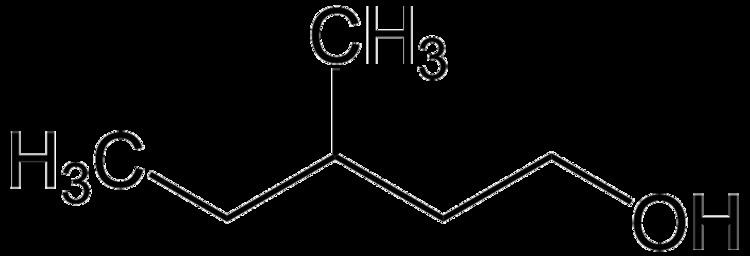
- What’s the difference between 1‑pentanol and 2‑pentanol? The primary distinction lies in the position of the hydroxyl group; 1‑pentanol is a primary alcohol, while 2‑pentanol is secondary, leading to differences in reactivity and boiling point.
- How do I store 1‑pentanol at home? Keep the bottle tightly sealed, store it upright in a cool, dark cabinet, and ensure it’s away from open flames or heat sources.